
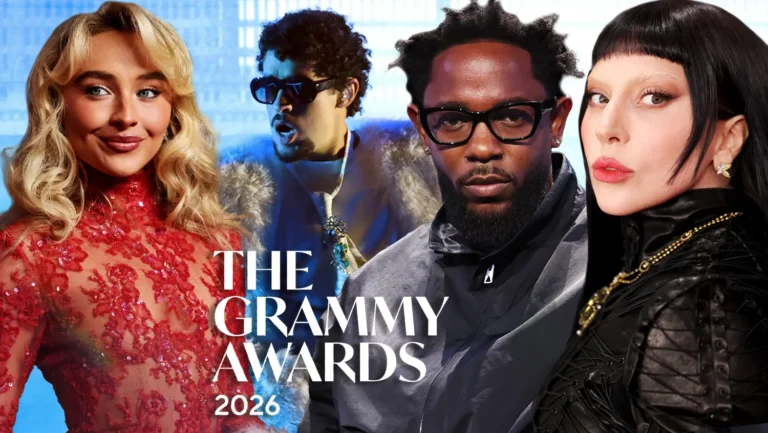
The 2026 Grammys controversy started before a single award was handed out. By the time the night was over, it had generated more sustained online argument than almost any awards ceremony in recent years — not because something went catastrophically wrong, but because nearly every major moment of the evening carried a political, cultural, or aesthetic charge that split audiences sharply down the middle.
This wasn’t a ceremony with one big scandal. It was a ceremony where everything was contested — the winners, the speeches, the fashion, the absences, the performances, the politics. If you came to the 2026 Grammy Awards looking for a simple celebration of music, you left disappointed or frustrated. If you came looking for culture war ammunition, you were spoiled for choice in every direction.
Here’s a breakdown of every controversy, what actually happened, and why each one matters beyond the immediate social media cycle.
The Winners Controversy: Was Bad Bunny’s Album of the Year Win Deserved?
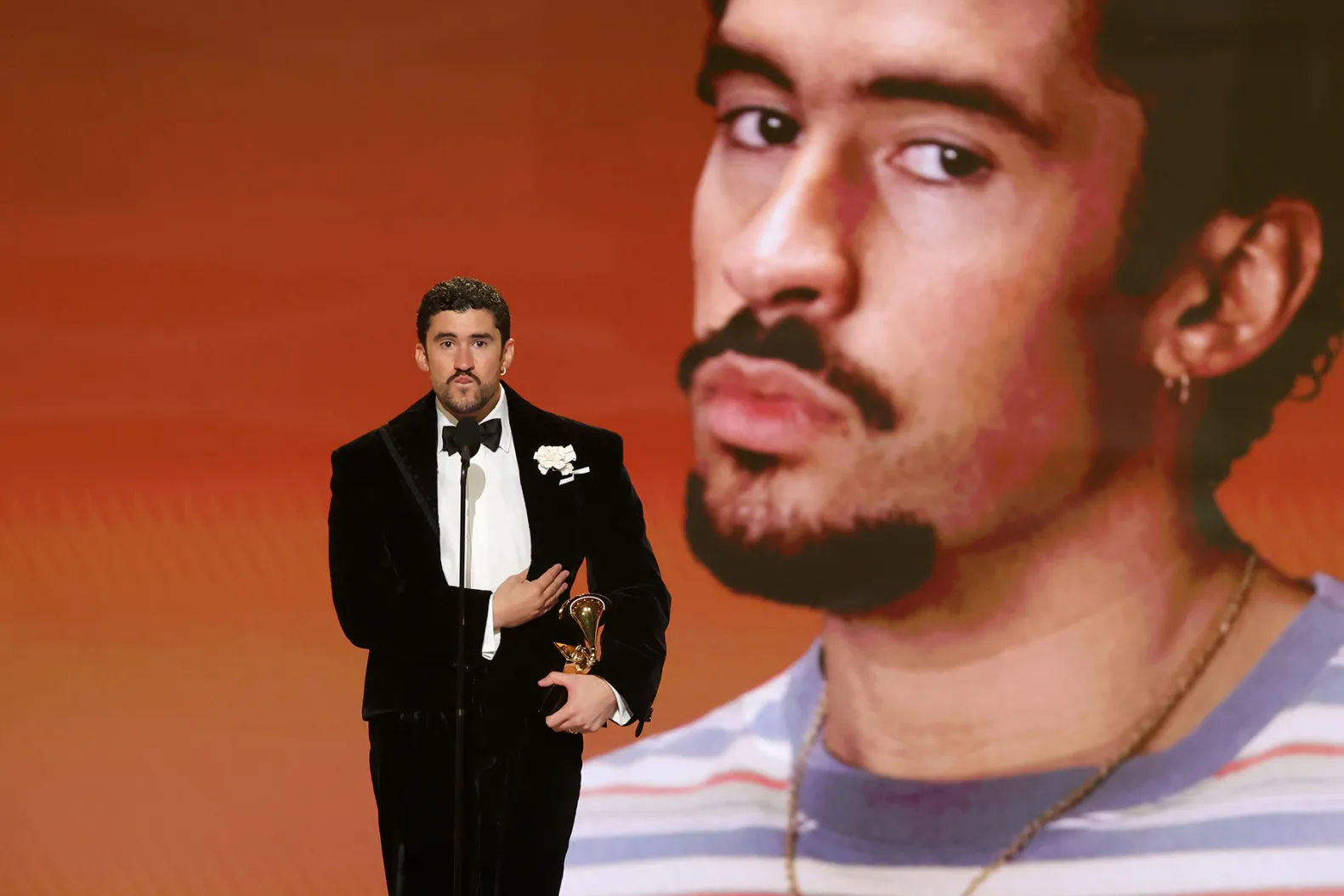
The biggest debate of the night started the moment Bad Bunny’s name was called for Album of the Year.
DeBÍ TiRAR MáS FOToS winning the Recording Academy’s highest honour made history — it was the first fully Spanish-language album to ever win AOTY. The reaction split immediately and cleanly. Supporters called it long overdue recognition for Latin music, which has been commercially dominant for years while being largely shut out of the general field categories. Critics questioned the timing, suggesting the Academy was overcorrecting after decades of snubbing non-English music rather than genuinely evaluating the albums on merit.
Both arguments have some validity, which is exactly why it became a 72-hour debate rather than a quick news cycle.
The case for the win being deserved is strong. DeBÍ TiRAR MáS FOToS was critically acclaimed, commercially enormous, and culturally specific in a way that the best Album of the Year winners usually are. It wasn’t made to cross over — it was made as a love letter to Puerto Rico, in Puerto Rican Spanish, drawing on Puerto Rican musical traditions. That it crossed over anyway is a reflection of how good it is, not a reason to discount it.
The case for scepticism is also real. The other nominees — Billie Eilish, Sabrina Carpenter, Charli XCX, Beyoncé — included several albums that received equal or stronger critical consensus. The Academy’s track record of ignoring Spanish-language music for decades, followed by suddenly awarding it the top prize, does invite the question of whether this was merit-based or image-based.
What’s certain is that Bad Bunny accepted the award with genuine emotion and a speech — “we are much bigger than borders” — that felt earned rather than performative. Whatever the Academy’s internal reasoning, the man on stage receiving the trophy deserved to be there.
The Kendrick Lamar Question: Five Grammys and Still Debated
Kendrick Lamar won five Grammy Awards at the 2026 ceremony, including Record of the Year for luther featuring SZA and Best Rap Album for GNX. He is now the most-awarded rapper in Grammy history.
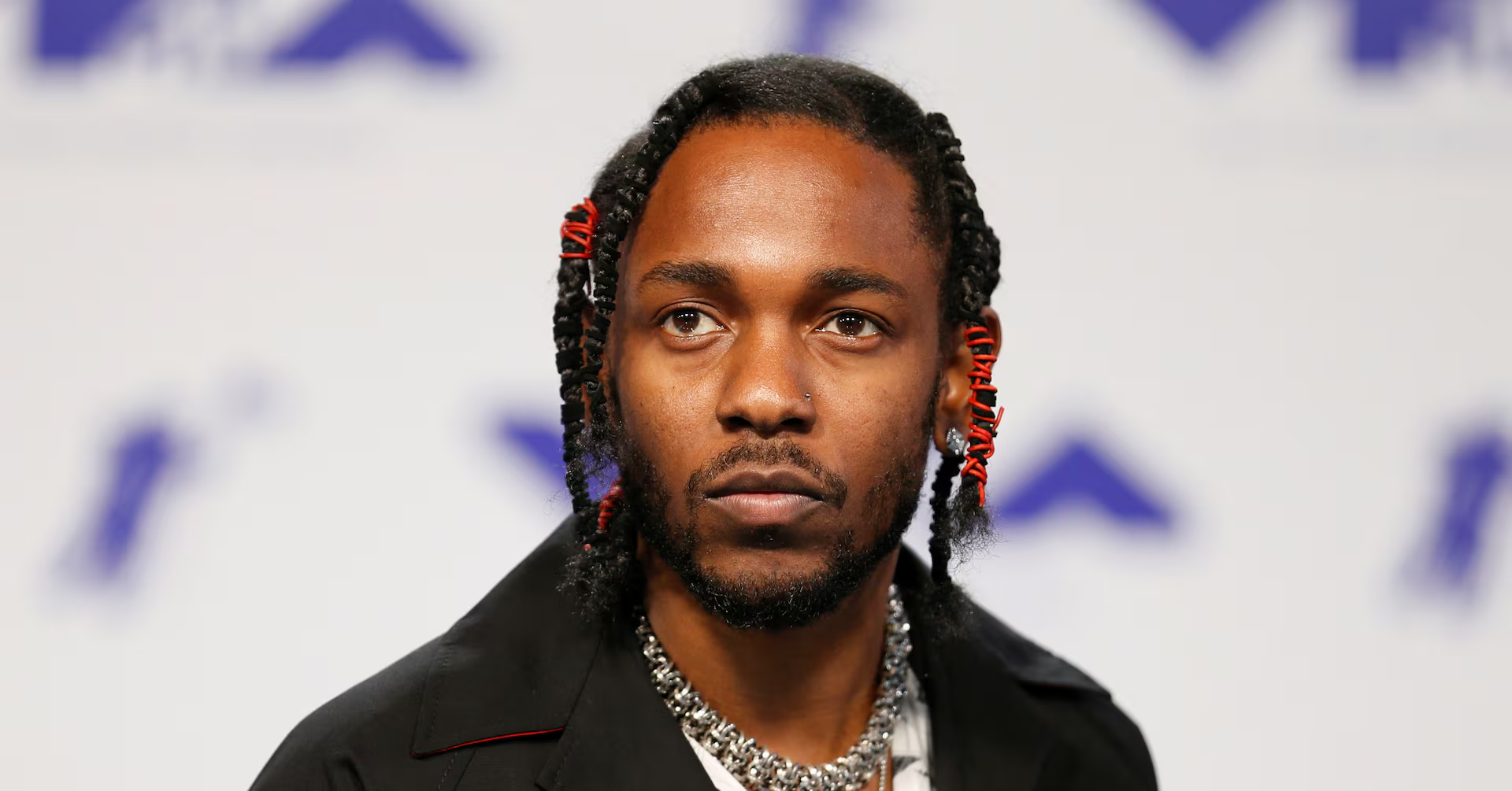
And yet his wins generated their own controversy — not because people thought he was undeserving, but because of what surrounded them.
The Drake-Kendrick beef of 2024 was one of the most significant moments in hip-hop in years, culminating in Kendrick’s Not Like Us becoming a cultural phenomenon. Not Like Us was not nominated in major categories at the 2026 Grammys, which some fans found suspicious or politically motivated given how dominant it was. The nominations it did receive felt to some like an attempt to acknowledge the song’s impact without fully engaging with what the song was about.
Additionally, Kendrick’s Grammy wins came in the same year he performed the Super Bowl halftime show — a halftime show that was itself politically charged and generated significant commentary. The combination of the halftime show, the Drake beef aftermath, and now five Grammys means Kendrick enters 2026 as arguably the most discussed figure in music, which carries its own complicated weight.
His acceptance speeches were notably restrained — brief, grateful, and deliberately avoiding the kind of political statement that other artists made on the same stage. Whether that restraint was strategic or simply personal, it was noticed.
Billie Eilish’s Song of the Year Win and the ICE OUT Moment
Billie Eilish winning Song of the Year for Wildflower was considered an upset by people tracking Grammy odds — Lady Gaga’s Die With a Smile and Sabrina Carpenter’s Espresso were both considered stronger favourites.
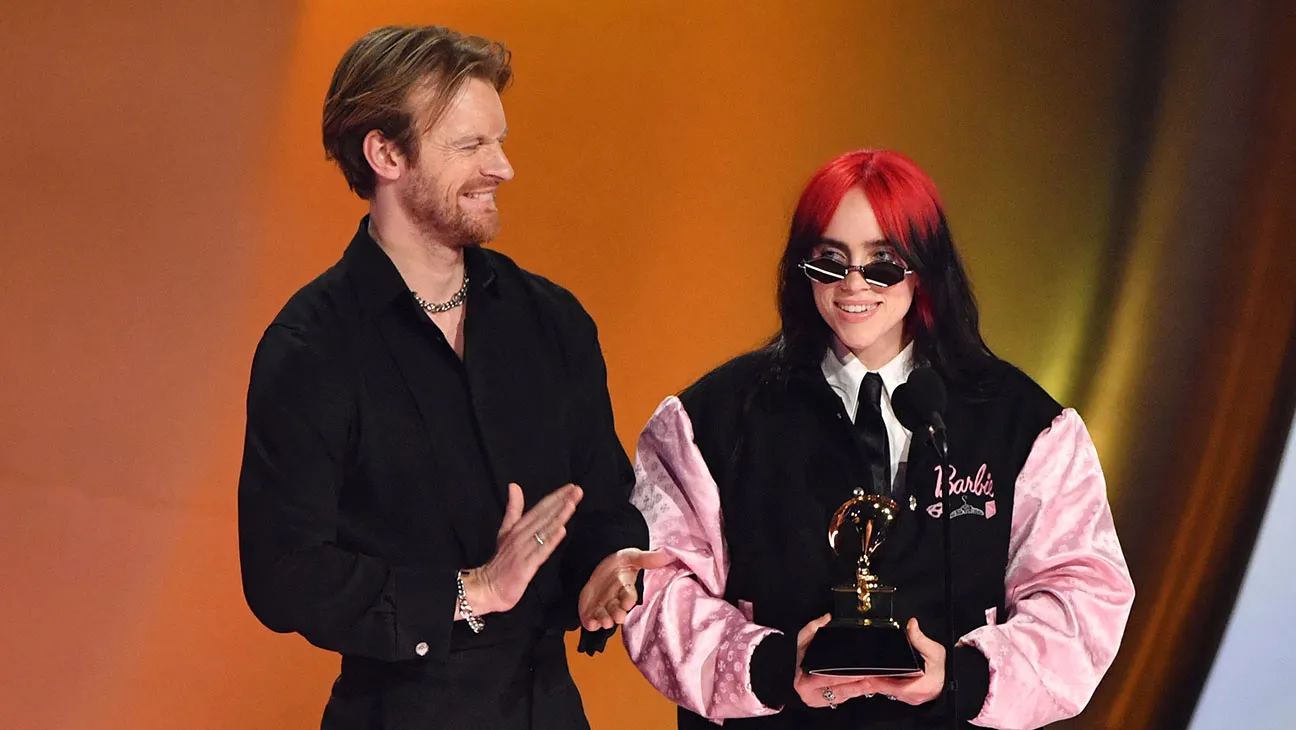
The win itself generated debate about Grammy voting patterns, but the bigger controversy around Eilish that night was her speech and her activism.
Eilish wore an “ICE OUT” pin on the red carpet — a reference to Immigration and Customs Enforcement — alongside Justin Bieber, Hailey Bieber, Kehlani, and Joni Mitchell, among others. Her acceptance speech included remarks that were partially bleeped on the CBS broadcast but circulated in full on social media within minutes of airing.
The political statement landed differently depending entirely on who was watching. Inside the Crypto.com Arena, the response was largely supportive — the Grammy audience skews toward people in the music industry, who as a demographic lean toward the positions Eilish was expressing. On social media, the reaction was sharply divided, with supporters calling it important and opponents calling it inappropriate use of an awards platform.
This is not a new tension at awards shows, and it won’t be resolved anytime soon. The question of whether artists should use acceptance speeches for political statements has been debated at every major ceremony since at least the 2000s, and both sides’ positions have remained essentially unchanged. What was notable in 2026 was the consistency — it wasn’t one artist making a statement, it was multiple artists across multiple speeches, which gave the political messaging a coordinated feel that amplified the reaction in both directions.
The Fashion Controversies: Chappell Roan, Bad Bunny, and Where the Line Is
Every Grammy Awards generates fashion controversy, but 2026 had more sustained debate than usual.
Chappell Roan’s Mugler look was the most divisive. The near-topless design exposed nipple rings and generated immediate split reactions — some critics calling it the night’s boldest and most fearless fashion moment, others calling it the most tasteless. The debate ran for several days and eventually expanded into broader territory about how female artists’ bodies are discussed and policed in media coverage of award shows.
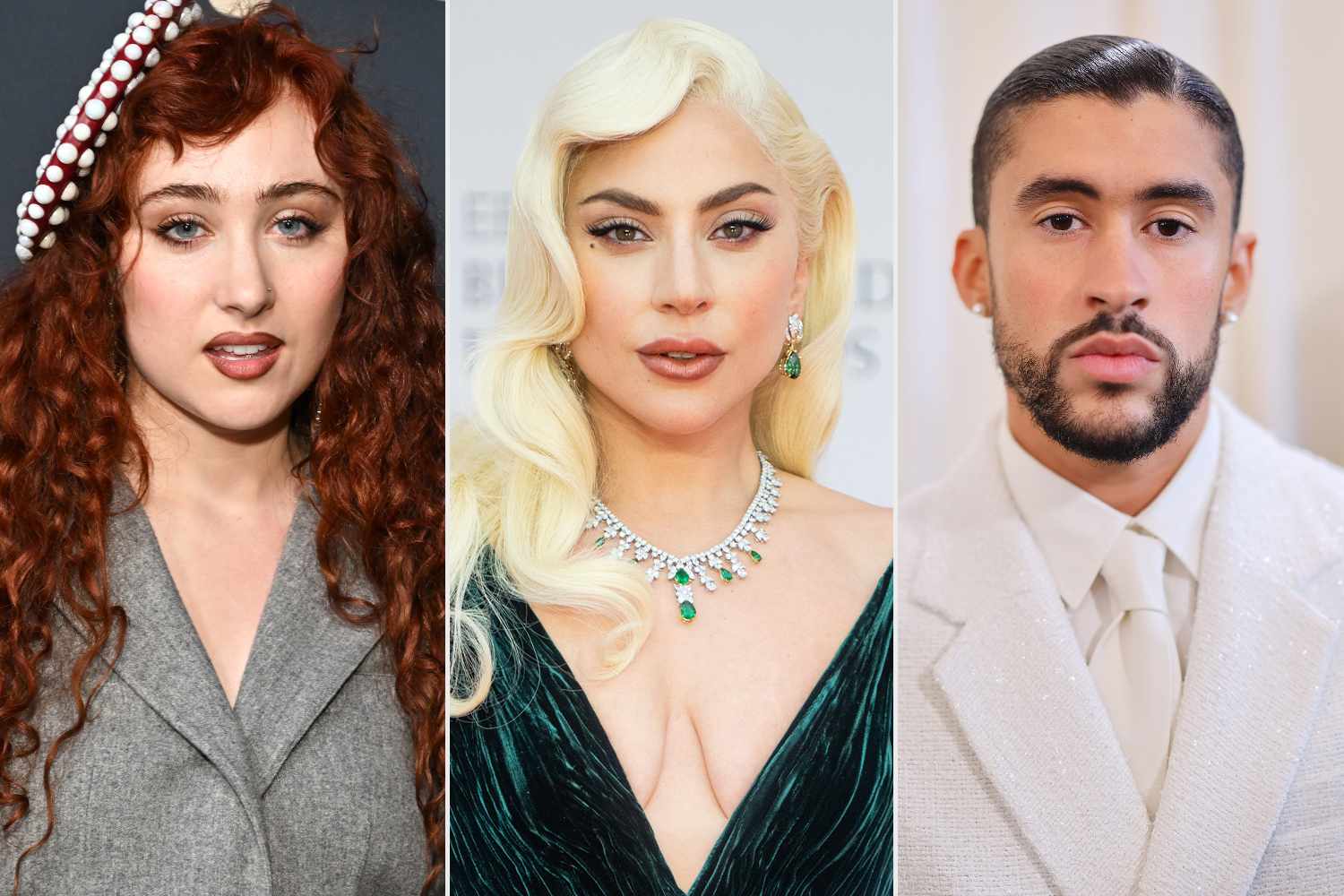
What’s worth noting is that Chappell Roan has been deliberately provocative in her public aesthetic throughout her rise — this wasn’t out of character or a surprise move. The controversy felt less like a genuine shock and more like a predictable cycle where a female artist makes an intentional statement and the internet responds with predictable outrage and predictable defence, neither of which particularly serves the artist or the conversation.
Bad Bunny’s Schiaparelli tuxedo — a corseted menswear design that deliberately blurred gender lines — also generated debate, though significantly less heated than Roan’s look. Bad Bunny has been doing this in his aesthetic for years, and familiarity with his intentions seemed to lower the temperature of the conversation around his red carpet appearance.
Sabrina Carpenter’s Valentino gown was universally praised, which in itself became a minor talking point — several commentators noted that the least controversial look was the one most closely aligned with traditional red carpet expectations, and drew their own conclusions about what that says.
Notable Absences and What They Might Mean
Several significant artists were absent from the 2026 Grammy Awards, and each absence generated its own thread of speculation.
Morgan Wallen did not attend. Wallen has had a complicated relationship with the Recording Academy following his 2021 controversy, and his absence was read by some as a deliberate snub of the institution. No official statement was made by his team about the absence.
The Weeknd continued his Grammy boycott. Abel Tesfaye announced in 2021 that he would no longer submit his music for Grammy consideration, citing what he called corruption and nepotism in the voting process. His absence in 2026 is therefore not a surprise, but it continued to draw attention to the ongoing critique of Grammy voting transparency.
Taylor Swift was not present, which generated immediate speculation despite the fact that she had no nominated projects in major categories this cycle. The volume of social media content about a celebrity’s absence from an event they had no particular reason to attend says something interesting about how Grammy conversation works — Swift’s presence is now so expected at major cultural moments that her absence becomes the story.
Beyoncé was not at the ceremony but was reportedly spotted at exclusive after-parties. Her absence from the broadcast was notable given her massive Grammy history, though again, she had no nominated work in major categories this year.
The pattern of notable absences reinforced a broader narrative that some of music’s biggest figures have a complicated or adversarial relationship with the Recording Academy — a narrative the Academy has not yet found an effective way to address.
The Broadcast Controversies: Bleeps, Cuts, and the In Memoriam Debate
The CBS broadcast itself generated several specific complaints independent of the ceremony’s content.
Multiple expletives from acceptance speeches went out uncensored — whether through technical error or deliberate choice was never officially clarified. The clips circulated immediately on social media, which in practice meant the bleeps on the broadcast were irrelevant since anyone who wanted to hear the unedited versions had access within minutes.
The decision to cut multiple award categories from the broadcast — including several jazz, classical, and regional music categories — drew sustained criticism from musicians and fans in those genres. This is a recurring tension at the Grammys: the broadcast is a television entertainment product that needs to hold a mainstream audience, and the full Grammy ceremony covers 94 categories that cannot all fit in a three-hour show. But the categories that get cut are overwhelmingly the ones that recognise work in genres outside mainstream pop, rap, and country, which reinforces the perception that the Academy values commercial music over artistic range.
The In Memoriam segment generated the most specific and sustained criticism. Several artists who died in 2025 were either omitted entirely or given significantly less screen time than others. The specific omissions were widely discussed online and generated formal complaints from family members and representatives of the omitted artists. The Recording Academy’s standard response in these situations — that the broadcast segment has time constraints and the full memorial is available online — does not tend to satisfy the people making the complaints.
The Political Speech Controversy: Platform or Distraction?
The question of whether artists should use Grammy acceptance speeches to make political statements has no resolution, and the 2026 ceremony illustrated why.
Multiple artists made statements about immigration policy, specifically referencing ICE and deportation. The statements ranged from brief and symbolic (wearing a pin) to direct and extended (speech content). The cumulative effect was that the ceremony felt, to people who agreed with the positions being expressed, like a meaningful collective statement by the music community. To people who disagreed, it felt like the ceremony had been hijacked by political messaging at the expense of celebrating music.
Both groups are responding to the same event with frameworks that are genuinely incompatible, which is what makes this controversy resistant to any satisfying resolution. The artists making political statements believe they have both the right and the responsibility to use their platforms. The audiences who object believe an awards ceremony is not the appropriate venue for political activism. Neither position is going to convince the other.
What can be said objectively is that political statements at the Grammy Awards are not new — they have been part of the ceremony for decades — and that the intensity of the reaction in 2026 reflects the intensity of the broader political moment rather than anything unprecedented about the statements themselves.
Complete 2026 Grammy Controversy Timeline
| Controversy | What Happened | Online Reaction |
| Bad Bunny AOTY win | First Spanish-language album to win Album of the Year | Polarised — historical significance vs. merit debate |
| Billie Eilish Song of the Year upset | Eilish beat Gaga and Carpenter | Surprise for many — Grammy odds had pointed elsewhere |
| ICE OUT pins on red carpet | Multiple artists wore immigration protest pins | Sharp divide between supporters and opponents |
| Chappell Roan’s Mugler look | Near-topless design exposed nipple rings | 72-hour fashion and body politics debate |
| Eilish speech bleeped | Expletives partially censored on CBS, circulated in full online | Debate about censorship and platform responsibility |
| Morgan Wallen absence | No official statement — speculation about boycott | Country music community divided |
| The Weeknd ongoing boycott | Continued Grammy boycott since 2021 | Renewed discussion about Grammy voting transparency |
| In Memoriam omissions | Several 2025 deaths received minimal or no coverage | Genuine anger from families and fans of omitted artists |
| Category cuts from broadcast | Multiple non-mainstream categories not broadcast | Ongoing criticism about Grammy priorities |
| Kenrick Lamar’s restrained speeches | No political statements despite charged atmosphere | Read differently by different audiences |
Why the 2026 Grammys Controversy Felt Different From Previous Years
Awards show controversy is not new. Every major ceremony generates debate about winners, fashion, speeches, and absences. What made 2026 feel different — and the reason it sustained in public conversation longer than most Grammy controversies — was the accumulation of simultaneous debates rather than one central flashpoint.
In past years, a single moment tends to define the controversy and eventually resolves it — the 2022 Oscars slap being the extreme example. In 2026, there was no single moment. There were ten or fifteen moments of roughly equal intensity, running concurrently across different audiences and platforms. People who weren’t engaged with the Bad Bunny debate were engaged with the fashion debate. People who weren’t following the political speech discussion were following the absent artists conversation. The result was a ceremony that felt impossible to fully describe in a single narrative, which kept it active in conversation significantly longer than a one-scandal night would have.
Whether that’s good or bad for the Grammy brand is genuinely unclear. The 17 million viewers who watched live is a solid number. The social media activity afterwards was enormous. But the accumulated controversies also reinforced a perception among significant portions of the music audience that the Grammys are more interested in cultural politics than in recognising the best music — a perception the Recording Academy will need to address eventually if it wants to maintain relevance.
Related Articles
- 2026 Grammy Awards: Every Historic Win, Shocking Moment, and Controversy You Need to Know
- Melania Documentary Honest Review: The Shocking $8 Million Opening Nobody Predicted
- Catherine O’Hara Dies at 71: Remembering a Comedy Legend
- February 2026 Streaming Releases: Who Won, Who Disappointed
The 2026 Grammys controversy won’t be remembered for one moment. It’ll be remembered as the year the ceremony became a mirror — reflecting everything that’s fractured and contested in culture right now, using music as the frame. Whether that’s a function the Grammys should serve, or whether it crowds out the actual point of the evening, is probably the most interesting question the Recording Academy needs to answer before the 69th ceremony.
Follow all our award show coverage, reaction pieces, and entertainment news on Instagram and Pinterest

Popcorn in hand and a opinion ready — Emily covers movie reviews, box office buzz, and all things cinema at Popcorn Review.

