
📋 Actors Covered In This Article
- Why Actors Go Silent: The Real Reasons
- Imran Khan — Disillusioned by Bollywood’s Money Machine (Now Making a Comeback)
- Zaira Wasim — Faith Over Fame: India’s Most Debated Exit
- Fawad Khan — Not His Choice: The Political Ban That Keeps Returning
- Asin — The Quietest Exit Bollywood Has Ever Seen
- Harman Baweja — Launched as the Next Big Thing, Never Quite Arrived
- Rick Moranis — Hollywood’s Greatest Act of Fatherhood
- Josh Hartnett — The Man Who Walked Away from Superhero Stardom
- Vikrant Massey — The Planned Reset
- FAQs
Actors Who Stopped Announcing Films is the most reliable heartbeat of a working actor’s public life. A signing ceremony. A title reveal. A first-look poster. A co-star confirmed. For fans and industry watchers, the steady stream of new projects is how you know an actor is still in the game. When it stops — suddenly, without explanation — the silence becomes louder than any announcement could be.
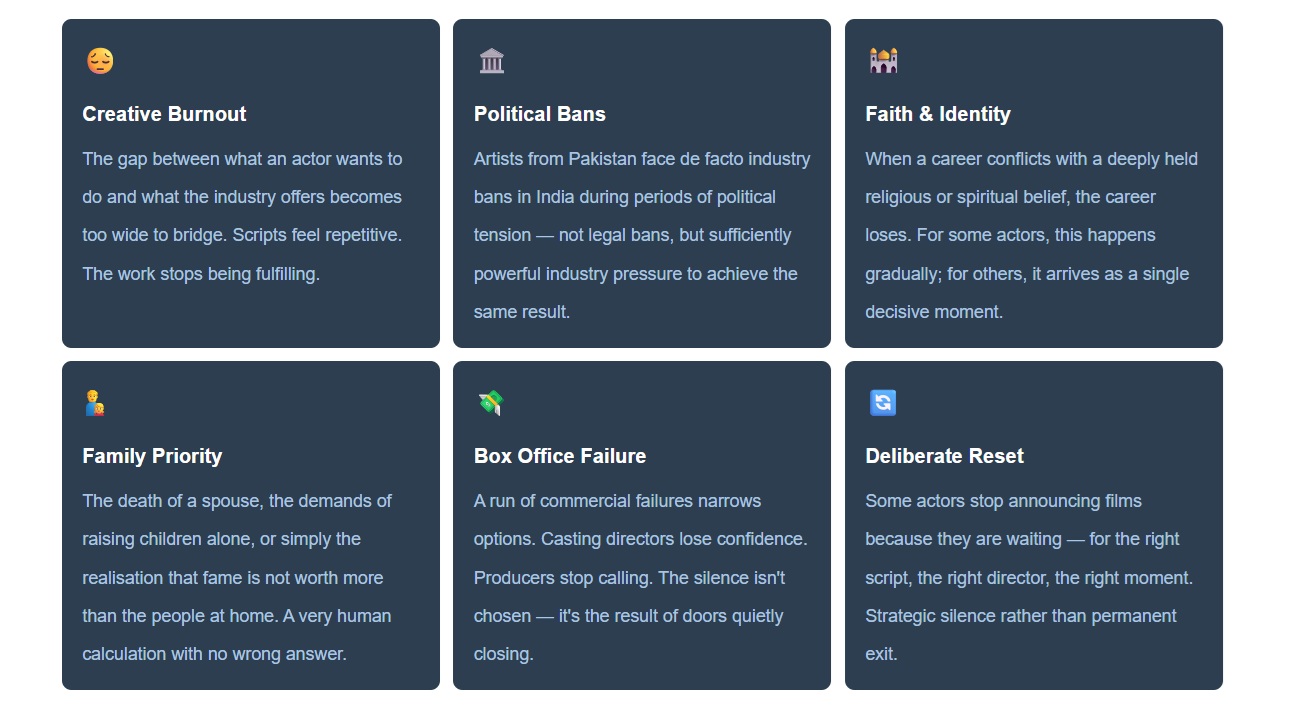
Some actors go quiet for reasons entirely within their control: creative dissatisfaction, burnout, the decision to leave a career that no longer feeds something essential in them. Some go quiet for reasons imposed from outside: political tensions, industry blacklisting, boycotts, diplomatic fallout between nations. Some go quiet simply because life — a marriage, a death, a child, a crisis of faith — demands their full attention, and acting will simply have to wait.
What all of them share is the sudden absence. One day, a face you associate with cinema. The next, nothing. No announcement. No project. No buzz. Just silence, and the speculation that fills it.
These are their real stories — with actual quotes, verified timelines, and their current 2026 status.
Why Actors Go Silent: The Real Reasons
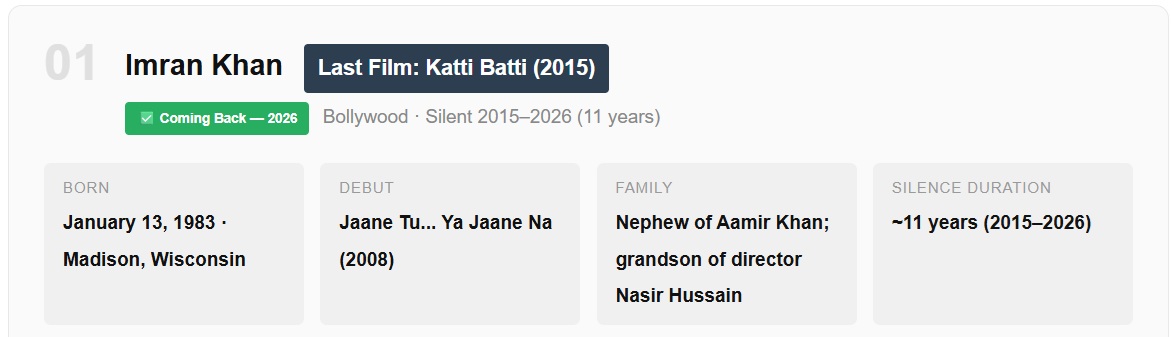
When Imran Khan debuted in Jaane Tu… Ya Jaane Na (2008), the response was immediate and genuine. Rajeev Masand of CNN-IBN called him “the best young actor” of the time. The Filmfare Best Male Debut was shared with Farhan Akhtar. By 2013, he was ranked 40th on Forbes India’s Celebrity 100. He was, by any measure, a star.
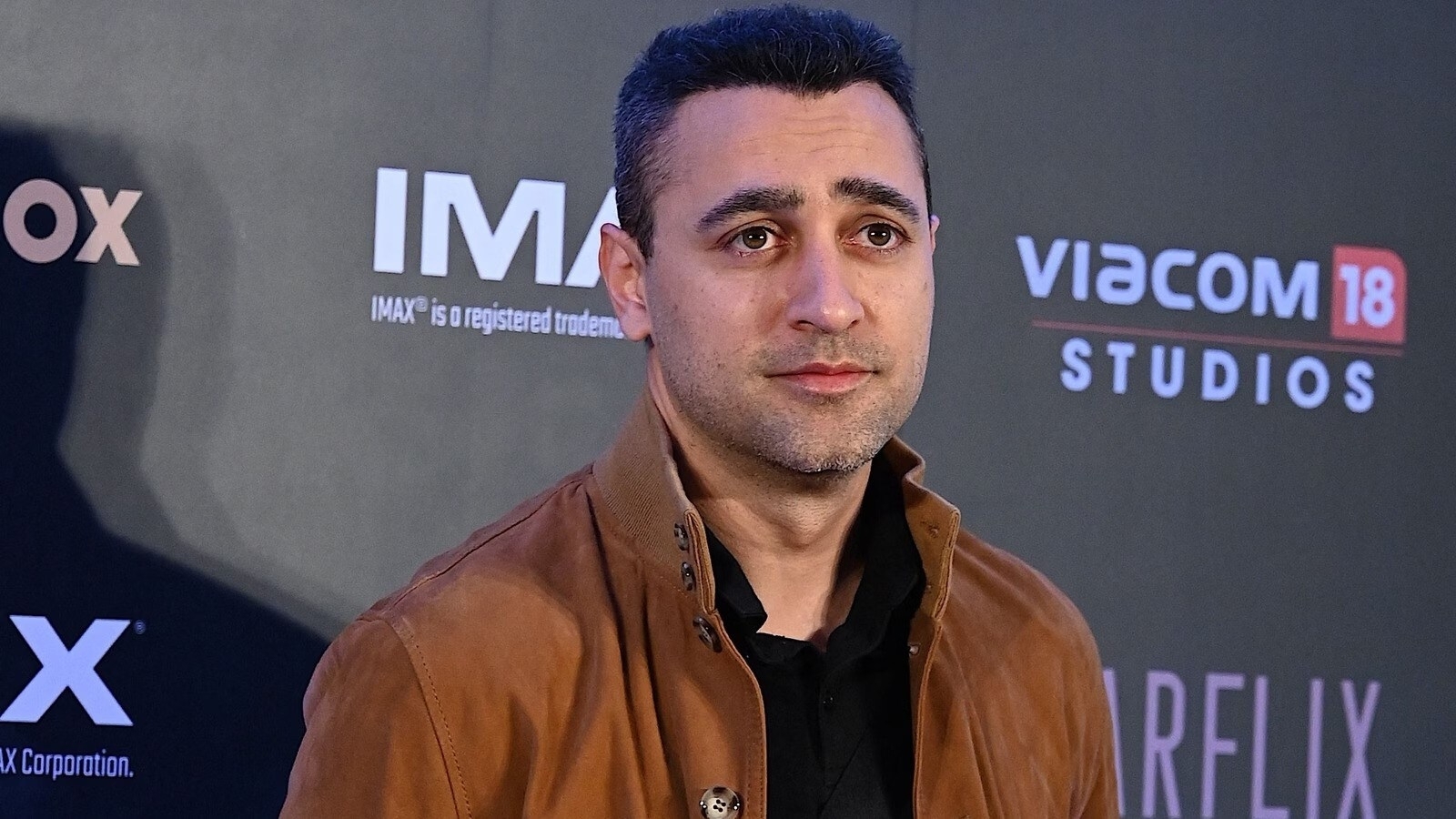
His exit was not a single event. It was, in his own description, a slow erosion. When Katti Batti (2015, with Kangana Ranaut) failed commercially, something broke. He had already been feeling it for a while — an alienation from the Bollywood ecosystem, its transactional machinery, its relentless focus on numbers over craft. In a Film Companion interview, he described it precisely:

In a separate Instagram post, he explained further: “I granted excessive importance to the voices that caused hurt, and I failed to appreciate the voices that expressed affection.” What followed the exit was a study in deliberate simplicity — he moved out of his grandfather’s mansion into an empty apartment, furnished it with a TV, a couch, and three plates, and began doing his own cleaning and cooking. He called it “a much easier existence.”
What he was escaping, specifically, was Bollywood’s ecosystem as a whole: “Starting from publicity and PR to management, the B-town works on this ecosystem. In this atmosphere, the predominant focus lies on financial considerations — be it film earnings, endorsements, public appearances.” He found it suffocating. He left.
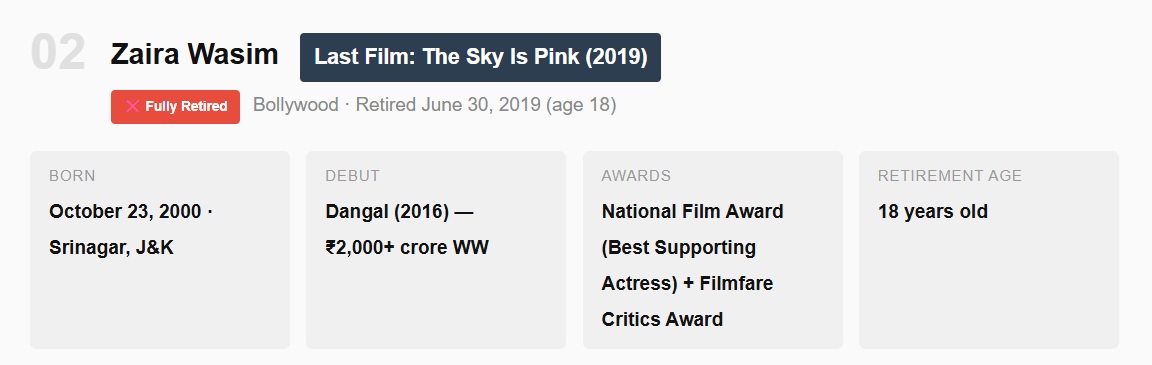
Zaira Wasim had, by 18, achieved more than most Bollywood actors achieve in a full career. Dangal (2016) — in which she played young Geeta Phogat opposite Aamir Khan — became the highest-grossing Indian film of all time, earning over ₹2,000 crore worldwide. She won the National Film Award for Best Supporting Actress. Secret Superstar (2017) became the highest-grossing Indian film with a female protagonist globally. She had won the Filmfare Critics Award and been honoured with the Pradhan Mantri Rashtriya Bal Puraskar by the President of India.
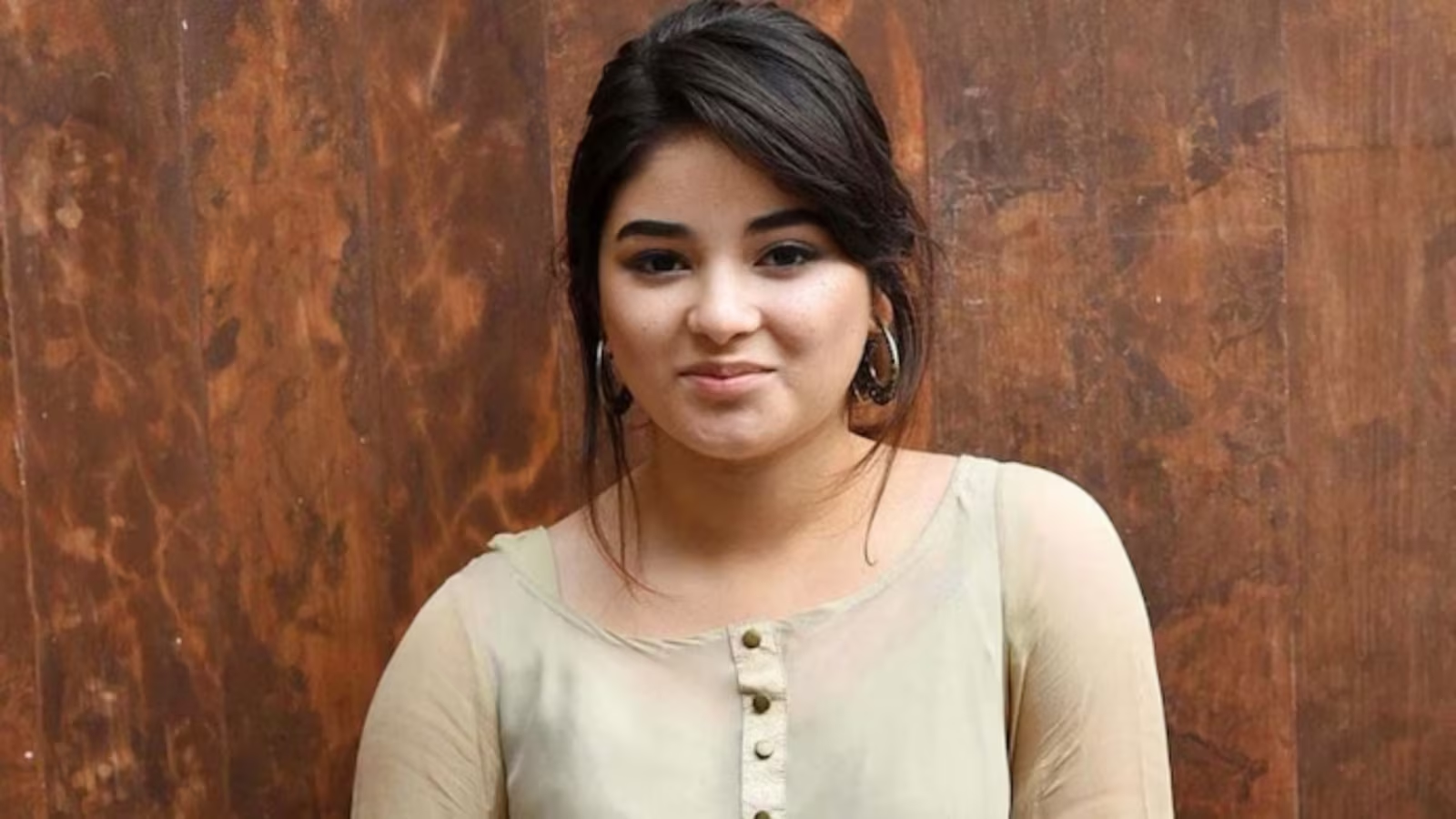
On June 30, 2019 — while her third film, The Sky Is Pink with Priyanka Chopra and Farhan Akhtar, was in post-production — she posted a six-page letter on Instagram announcing her retirement. She did not soft-pedal the reason:
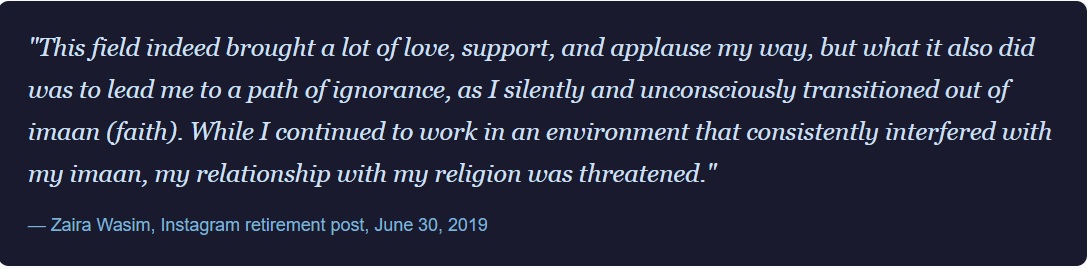
The reaction was immediate and polarised. Raveena Tandon called her decision “regressive.” Dangal director Nitesh Tiwari said it came as “a shock.” Barkha Dutt said she was “deeply disturbed at the indoctrination of religious conservatism.” Others — including former J&K Chief Minister Omar Abdullah — argued that the choice was hers alone: “Who are any of us to question Zaira Wasim’s choices? It’s her life to do with as she pleases.”
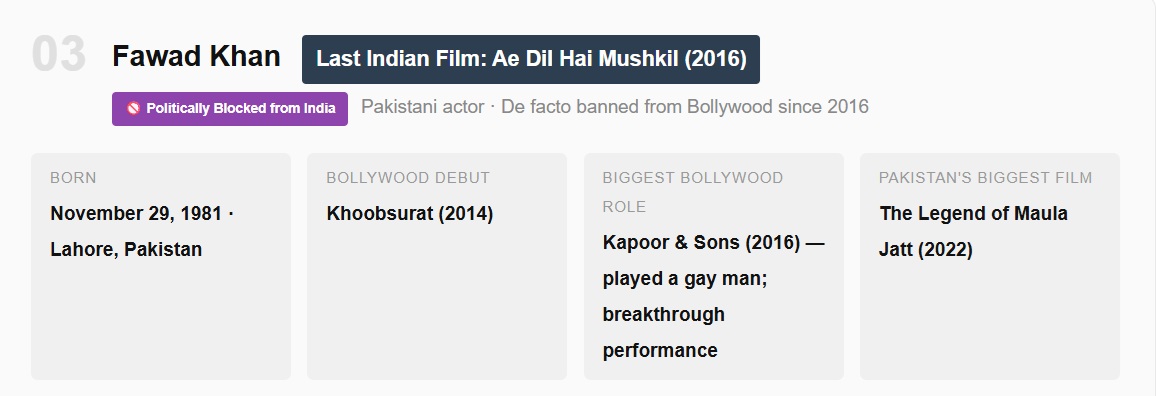
Fawad Khan’s disappearance from Bollywood film announcements was not voluntary, and it was not personal. It was political. After the Uri attack of September 2016 — in which 19 Indian soldiers were killed in militant strikes on an army base in Kashmir — the Indian Motion Picture Producers Association (IMPPA) resolved to not work with Pakistani artists. The decision was not a law and not a formal ban. It was industry pressure, sufficiently concentrated to achieve the same effect.
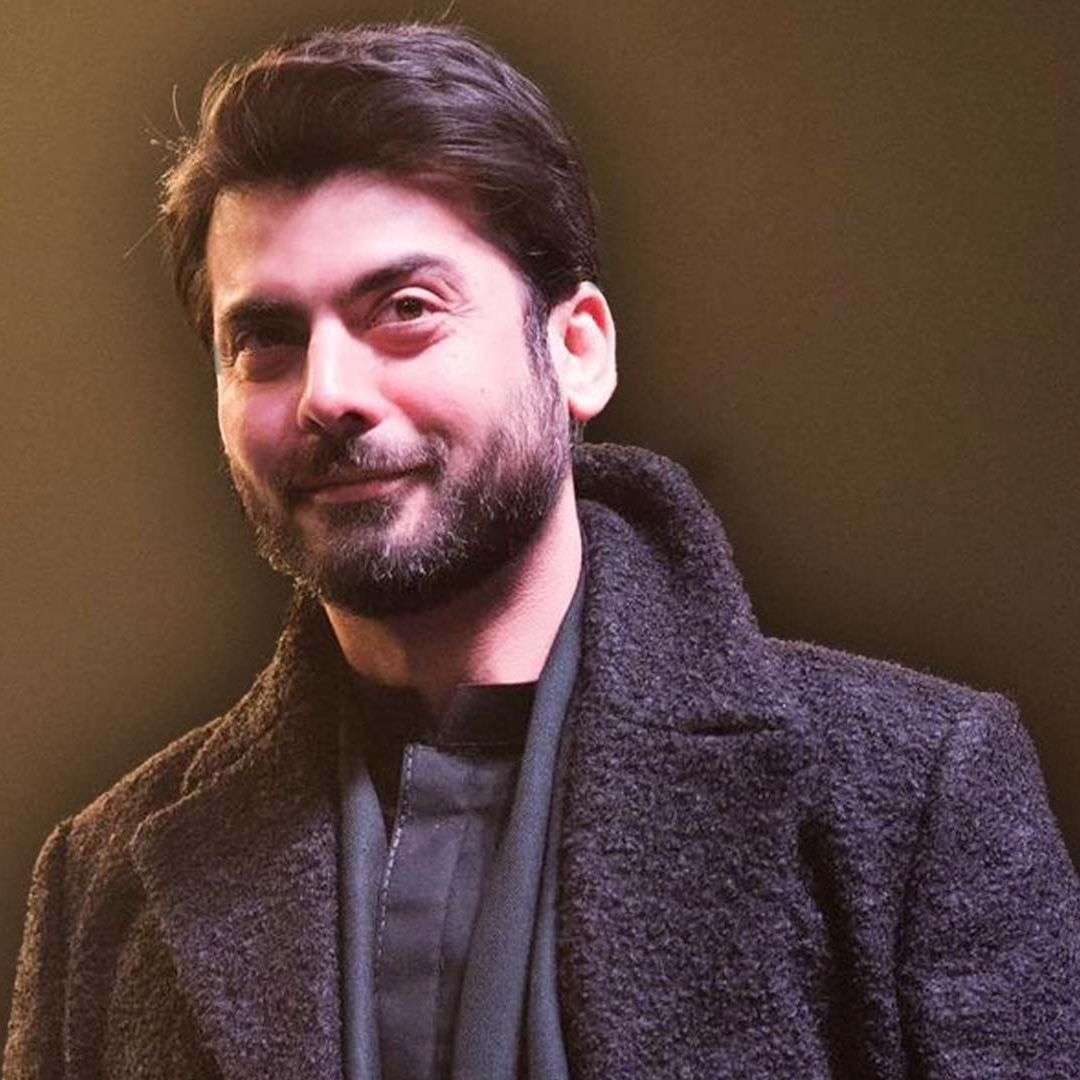
At the time, Fawad had three Bollywood films to his name — Khoobsurat (2014), Kapoor & Sons (2016), and Ae Dil Hai Mushkil (2016, in a cameo) — and was, by most credible assessments, the most compelling new face in Hindi cinema in years. His portrayal of Rahul Kapoor in Kapoor & Sons — a closeted gay man navigating a fractured family visit — was called “a big leap forward for India’s LGBT movement” by DNA’s Nirmalya Dutta. Karan Johar had tried six other actors before approaching Fawad. When asked if he would return to Bollywood, Fawad told Variety magazine: “It doesn’t depend on me… Fingers will be pointed at those people who want to work with me.”
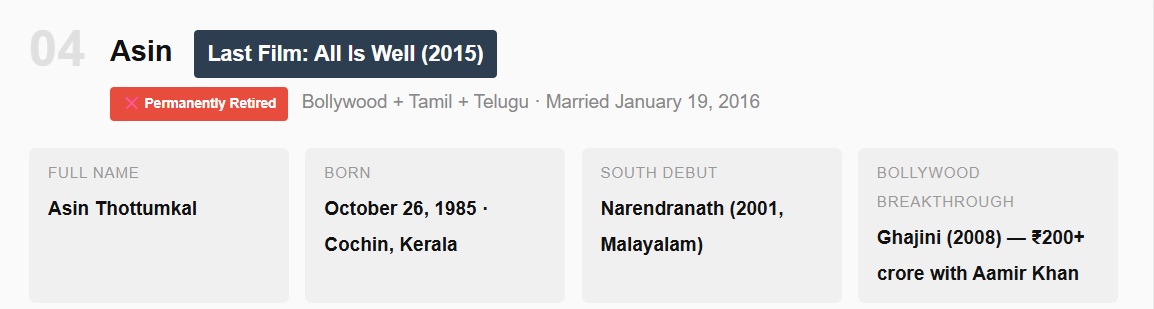
Asin’s exit from Bollywood was the quietest major departure the industry has seen in decades. No announcement. No farewell post. No interview explaining her thinking. She completed All Is Well in 2015 — a film that received poor reviews and a weak box office response — and simply stopped. There was no parting statement, no “I’m taking a break,” no “I’ll be back.”

What followed made the reason clear, though she never made it public. On January 19, 2016, she married Micromax co-founder Rahul Sharma in a ceremony that included both a Christian wedding and a Hindu ceremony, reflecting their respective backgrounds. Their daughter Arin was born in October 2017. Since then, Asin has attended no film-related events, granted no interviews about a return, and declined every project offered.
Her silence is not bitter or pointed. She has occasionally shared family photographs and been seen at social events. She simply decided that her life was worth more to her than her career — and unlike many actors who say this but keep their options open, she has been consistent about it for over a decade. Her filmography before the exit was genuinely impressive: alongside Ghajini, she starred in London Dreams (2009), Ready (2011) with Salman Khan (₹150+ crore), and Housefull 2 (2012). She could have continued comfortably. She chose not to.
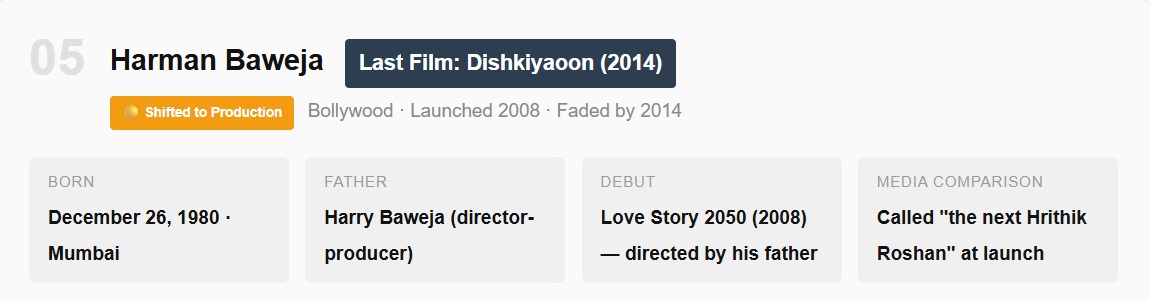
Few Bollywood launches in recent memory were positioned more ambitiously than Harman Baweja’s debut in Love Story 2050 (2008). The promotional campaign positioned him as a science-fiction action hero — the “next Hrithik Roshan,” according to multiple trade pieces at the time. The film was one of Bollywood’s most expensive productions to date. It failed so comprehensively that the comparison became an embarrassment rather than a compliment.
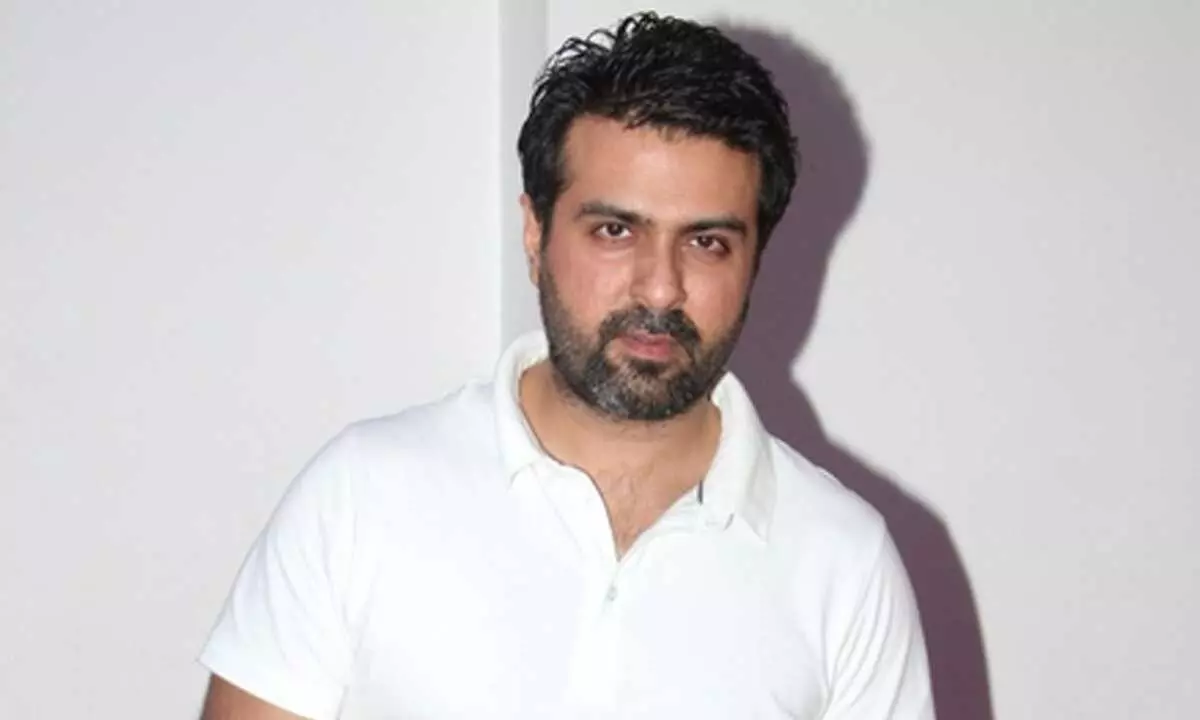
The problem was that the hype had set an impossible benchmark, and Love Story 2050‘s script, direction and execution couldn’t justify it. Subsequent films — Victory (2009) and What’s Your Raashee? (2009, a 12-character role experiment that also failed) — confirmed the commercial pattern. By the time Dishkiyaoon arrived in 2014 — co-starring Sunny Deol and Ayesha Khanna, in a gangster genre that suited Harman better than science fiction — the industry had already made its assessment. The film performed poorly. Harman quietly shifted his focus to production work through his family’s production house, Harry Baweja Productions.
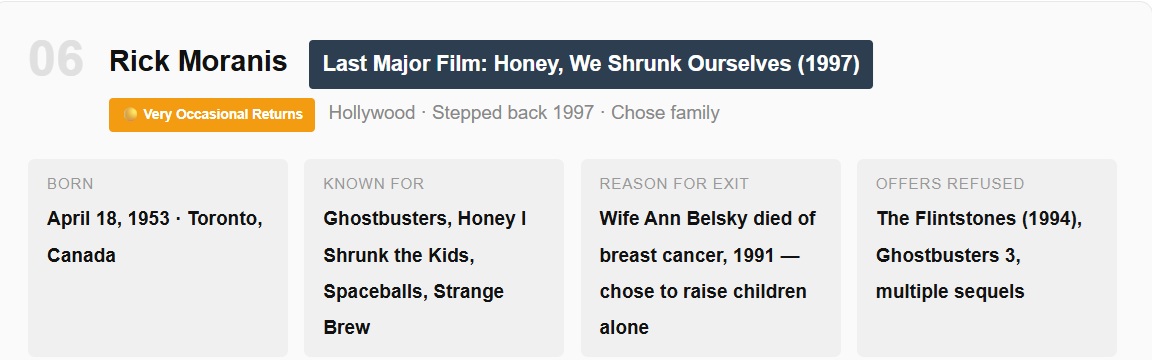
Rick Moranis’s withdrawal from Hollywood is one of the industry’s most frequently cited examples of an actor choosing something more important than fame. His wife, Ann Belsky, died of breast cancer in 1991. He was at or near the peak of his career — Ghostbusters, Honey, I Shrunk the Kids, Spaceballs, Little Shop of Horrors had made him one of comedy cinema’s most recognisable faces. He had two young children, Mitchell and Rachel, who now had no mother. He chose to be there for them.
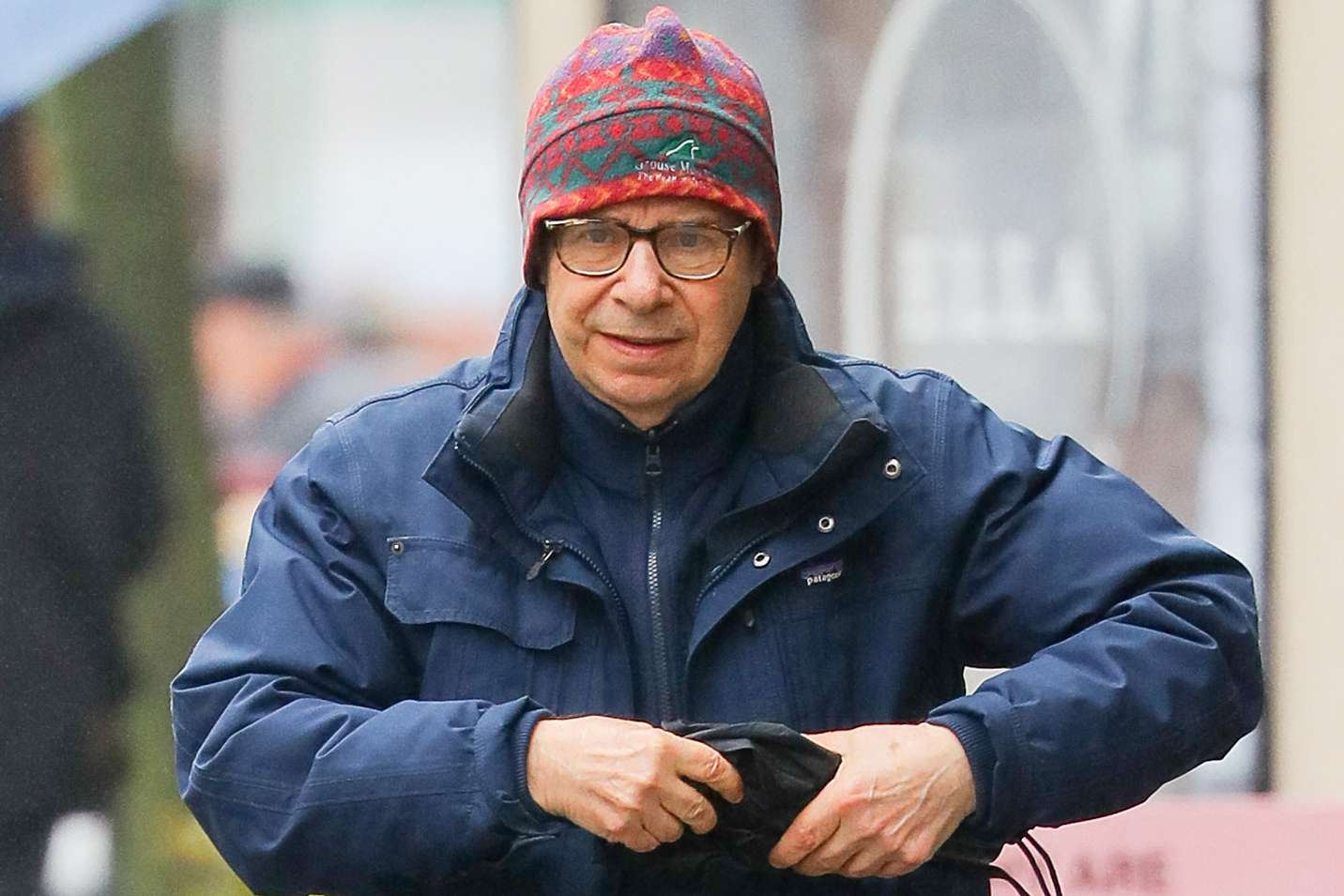
The offers did not stop coming. He turned down The Flintstones (1994 — a role that eventually went to John Goodman and earned $341 million). He turned down Ghostbusters 3 reunions. He turned down franchise continuations. His friend Steve Martin summed up his choice simply: “He’s just a fantastic dad.” Moranis himself has said the decision was never difficult: “I’m a single parent and I just found that it was too difficult to manage raising my kids and doing the Hollywood thing.”
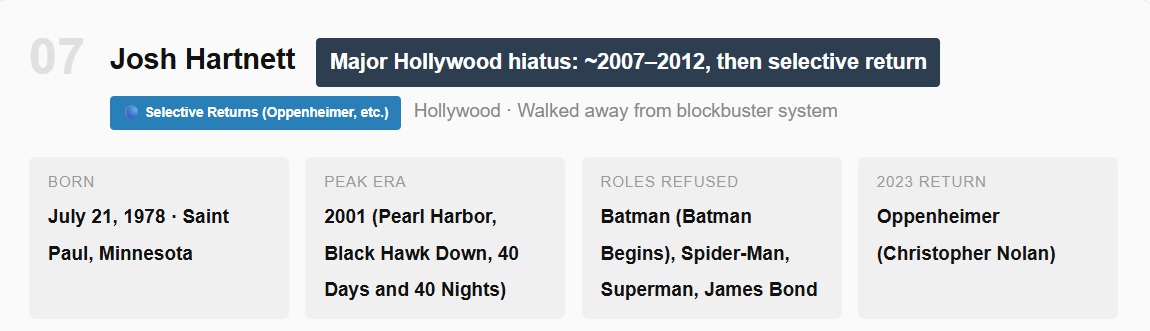
Josh Hartnett was, in 2001, positioned as the next Harrison Ford or the next Tom Hanks — the kind of label that sounds like a compliment and functions more like a weight. He starred in Pearl Harbor and Black Hawk Down in the same year and was on every major production company’s wishlist. He was offered Batman for Christopher Nolan’s Batman Begins. He turned it down. He was offered Spider-Man. He turned it down. He was offered Superman. He turned it down. He was reportedly in consideration for James Bond. He turned it down.
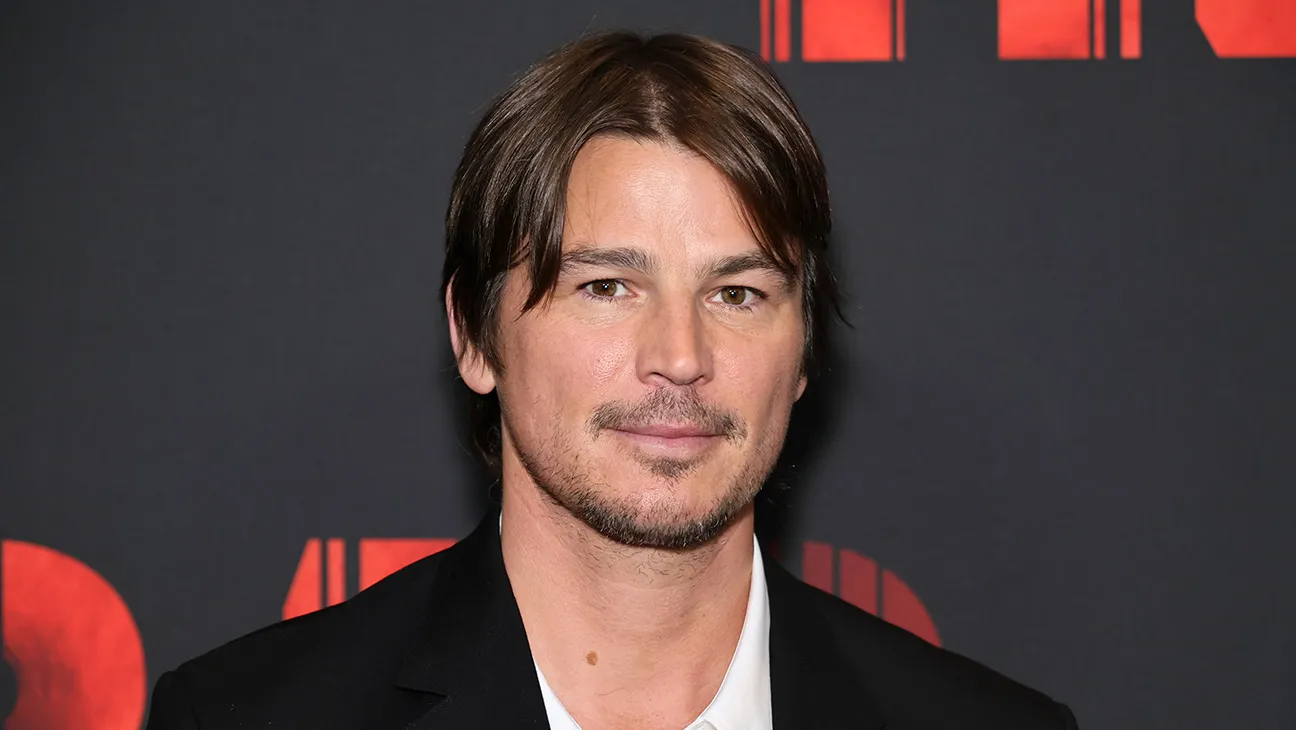
His reasoning was consistent across interviews: he didn’t want to become the franchise. He didn’t want to sign multi-picture contracts that would define his career for a decade. He said in interviews that he was “stubborn” about choosing projects based on what interested him rather than what would build his commercial value. Hollywood’s reaction was to stop offering him those projects. He transitioned to character-driven work, TV (Penny Dreadful, 2014–2016), and more selective films.
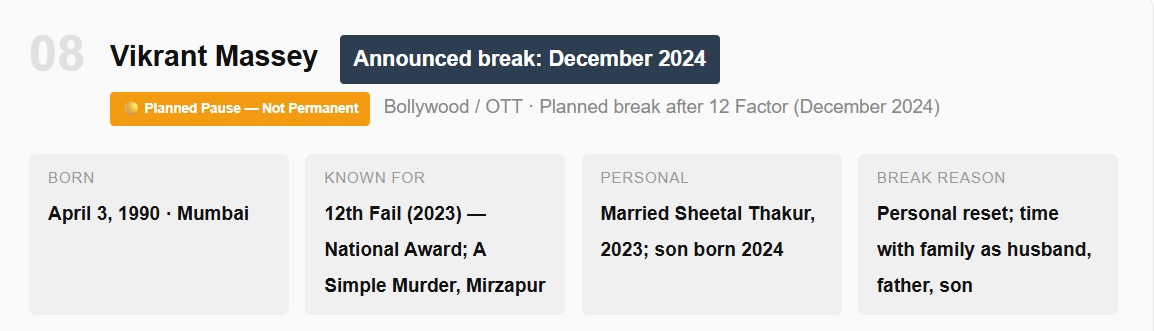
Vikrant Massey’s case is different from the others in this list — and it’s worth including precisely because it represents the most self-aware, planned version of what going quiet can look like. In December 2024, after the release of The Sabarmati Report and with his film 12th Fail (2023) having won him the National Award for Best Actor, he announced publicly that he was taking a long break from the industry.
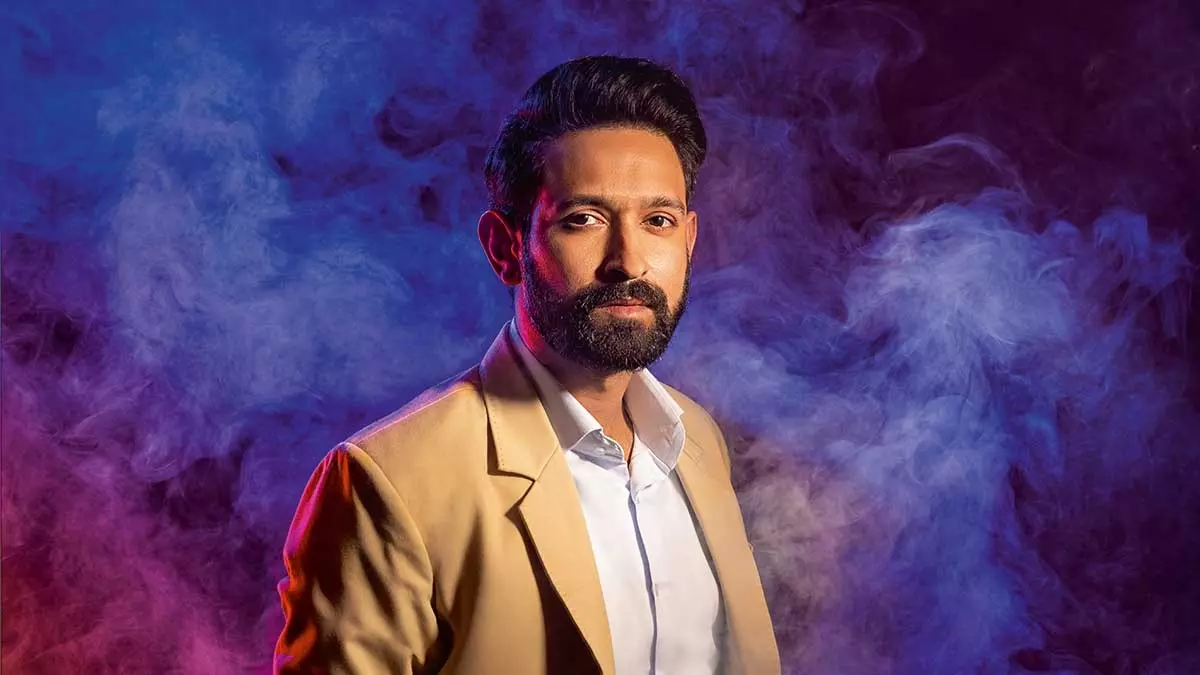
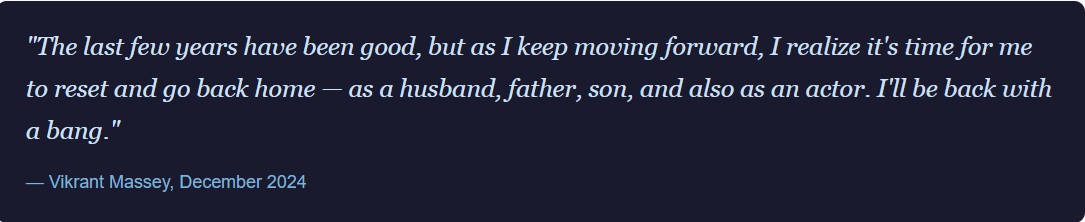
His honesty about the reason — a new baby, a marriage, the need to be present in his personal life — was received warmly across the industry. Neena Gupta praised the decision. Sanjay Mishra said: “It is good for an artist to take a break sometimes.” Vikrant’s stated intention to return (“I’ll be back with a bang”) makes his case distinct from permanent exits — this is not a man leaving cinema, but a man temporarily stepping out of the announcement cycle to be at home.
FAQs
Why did Imran Khan (actor) stop announcing Bollywood films?
After the 2015 failure of Katti Batti, Imran Khan stepped back from Bollywood citing deep disillusionment with its financial-over-artistic ecosystem. He told Film Companion he felt “internally damaged” and needed to address that. After 11 years, he is returning in 2026 — with a cameo in Happy Patel: Khatarnak Jasoos and an upcoming Netflix film Adhure Hum Adhure Tum opposite Bhumi Pednekar.
Why did Zaira Wasim quit acting?
Zaira Wasim announced her retirement on June 30, 2019 in a six-page Instagram post, citing that her career was pulling her away from her Islamic faith. She wrote that the industry led her to “a path of ignorance” and that her “relationship with religion was threatened.” She has not returned to films. She married in a private nikah ceremony in October 2025 and lives privately in Srinagar.
Why was Fawad Khan banned from Bollywood?
Fawad Khan faced a de facto industry ban after the 2016 Uri attack. The IMPPA resolved not to work with Pakistani artists, effectively ending his Bollywood career. His comeback film Aabeer Gulaal (with Vaani Kapoor) was blocked from Indian release in 2025 after the Pahalgam attack. It released internationally in 75 countries in September 2025, excluding India. He continues working in Pakistan and international productions.
Why did Asin quit Bollywood?
Asin (Asin Thottumkal) married Micromax co-founder Rahul Sharma on January 19, 2016, and quietly exited the industry. She has given no public explanation but has accepted no projects since. Her daughter Arin was born in October 2017. She is consistently described as having made a personal choice to prioritise family — with no comeback on the horizon.
Why did Rick Moranis stop making films?
Rick Moranis stepped back from Hollywood after his wife Ann Belsky died of breast cancer in 1991. He chose to raise his two children as a single parent, turning down massive offers including The Flintstones, Ghostbusters 3, and multiple sequels. Steve Martin described him simply as “a fantastic dad.” He has made a small number of selective returns since 2019.
What roles did Josh Hartnett turn down before his Hollywood hiatus?
Hartnett famously turned down Batman (Batman Begins — a role that went to Christian Bale), Spider-Man, Superman, and was reportedly in consideration for James Bond. He refused these franchise commitments because he didn’t want to be locked into multi-picture contracts. He later re-emerged in Christopher Nolan’s Oppenheimer (2023) as Ernest Lawrence, to critical and audience acclaim.
Sources: Wikipedia — Imran Khan (actor) · Siasat — Imran’s 2026 Comeback · Wikipedia — Zaira Wasim · Al Jazeera — Zaira Wasim’s Exit · Wikipedia — Fawad Khan · BiographyPoints — Abir Gulaal Banned · The National — Aabeer Gulaal International Release · Khaleej Times — Imran Khan on Exit · IMDb — Imran Khan

Content writer at Popcorn Review, specializing in movie reviews, box office insights, and film analysis. Passionate about bringing cinema stories to life.

