
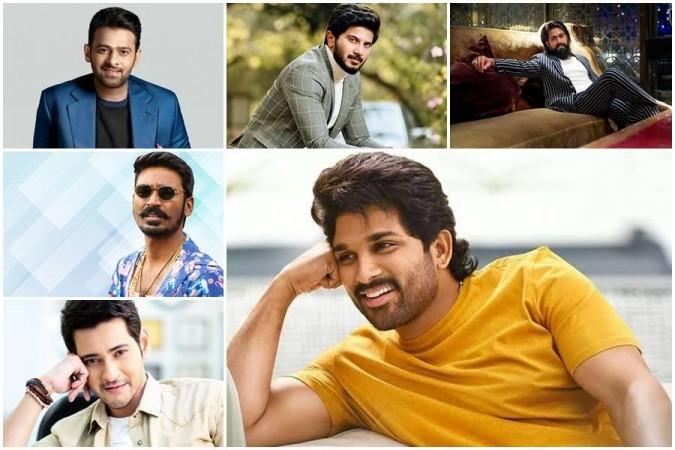
Bollywood actors in South Indian films have become one of the most talked-about shifts in Indian cinema right now. And honestly, it makes sense when you look at what’s been happening over the last few years.
There’s a line Janhvi Kapoor said around the time Devara released that stuck with me. She talked about how different the set culture felt, how physical the shoot was, how the scale of a Telugu production felt genuinely unlike anything she’d done in Bollywood. Coming from someone who grew up watching her mother Sridevi — who built half her career in South Indian cinema before conquering Hindi films — that quote carried real weight.
In 2026, the list of Hindi actors heading South includes Kiara Advani, Janhvi Kapoor, Mrunal Thakur, Gulshan Devaiah, Sanjay Dutt, Wamiqa Gabbi, and several others. This isn’t a coincidence — something structural has changed, and it’s worth understanding exactly what and why.
- In the “How We Got Here” section, change the opening line to: “The history of Bollywood actors in South Indian films goes back further than most people realise…”
- In the “Bigger Picture” section heading, change to: “What Bollywood Actors in South Indian Films Actually Means for Indian Cinema”
- In the conclusion, add one line: “The wave of Bollywood actors in South Indian films we’re seeing in 2026 is the clearest sign yet that regional borders in Indian cinema are becoming meaningless.”
How Bollywood Actors in South Indian Films Became the New Normal
Crossovers between Bollywood and South cinema aren’t new on their own. Aishwarya Rai started in Tamil films. Deepika Padukone’s first film was a Kannada production. Sonu Sood has been playing villains in Telugu and Tamil movies for nearly two decades. But those examples were individual choices, often driven by personal connections, regional roots, or one-off opportunities.
What changed the equation completely was Baahubali.
When SS Rajamouli’s Telugu epic became the highest-grossing Indian film ever in 2017, it didn’t just break a box office record — it broke a mental barrier that the Hindi film industry had quietly maintained about regional cinema. The film proved that a non-Bollywood production, with no major Hindi star in the lead, could absolutely dominate the Hindi-speaking market. Audiences in Uttar Pradesh, Bihar, and Rajasthan didn’t need a familiar Bollywood face on the poster to fill theatres.
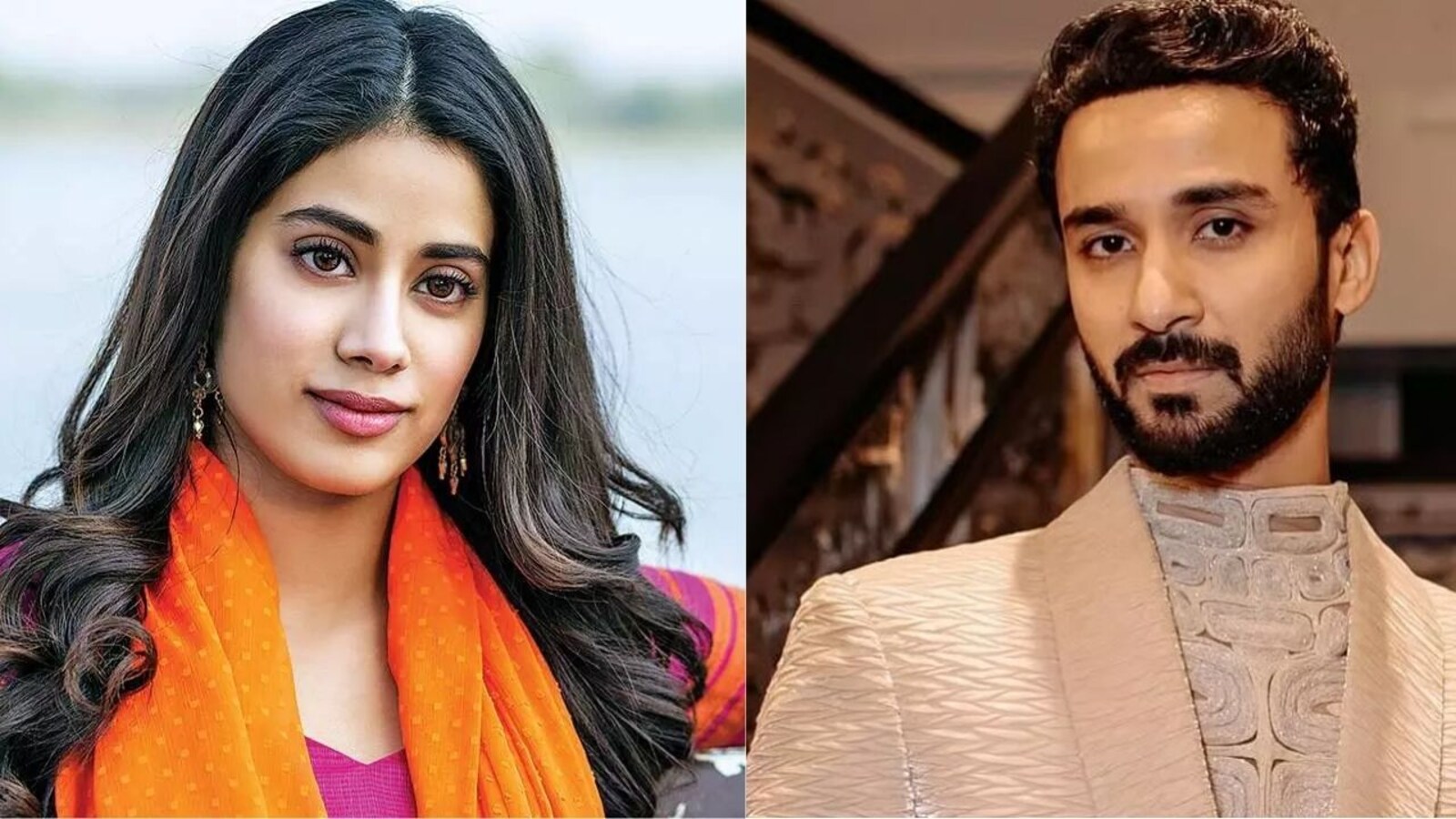
Then came KGF, RRR, and Pushpa in quick succession. Each one reinforced the same point: South Indian films had cracked something that Bollywood was struggling with post-pandemic — genuine mass connection. The scale, the raw energy, the unapologetically larger-than-life heroes, the music that actually played in every street corner — South films were winning the cultural conversation.
Bollywood noticed. And the response, for many actors, was simple: if you can’t beat them, join them.
By 2023, even Shah Rukh Khan was collaborating with Tamil director Atlee for Jawan — a film that borrowed South cinema’s blockbuster grammar wholesale and became one of the biggest hits of the year. That collaboration felt like the tipping point. If SRK was doing it, it was no longer a niche move. It was the new mainstream.
Why Bollywood Actors Are Actually Making This Move
The business case is straightforward. Telugu and Tamil films now routinely release Hindi dubbed versions in theatres across North India. A film like Pushpa 2 earned more from its Hindi version alone than most Bollywood films earn in total. For a Bollywood actor who joins a major South production, that’s instant access to an entirely different fanbase — one that’s demonstrably willing to spend money at theatres.
But the creative reasons are just as real, and honestly more interesting.
Bollywood went through a rough and very public rough patch from 2021 to 2023. Big stars, big budgets, recognizable franchises — and one flop after another. Laal Singh Chaddha, Shamshera, Ram Setu, Selfiee, Pathaan was the one bright spot in an otherwise grim two years. The industry got defensive, leaning into what felt “safe,” which paradoxically made everything feel stale.
South cinema, meanwhile, was swinging for the fences on stories about historical revolts, mythological warriors, and tribal heroes. The ambition was on a completely different level.
For actors like Gulshan Devaiah — who has spent years doing excellent work in films that never quite reached wide audiences — South projects offer a different kind of visibility. His work in Kantara: Chapter 1 reached people who’d never seen him in anything before. That kind of reach matters enormously for a career.
For Janhvi Kapoor, there’s also something more personal at play. Her mother Sridevi was arguably the biggest star to ever successfully move between South and Hindi cinema. Working in Telugu films isn’t purely a career strategy for Janhvi — it’s clearly also a way of connecting to a legacy that shaped her entire childhood.
And for established names like Kiara Advani and Mrunal Thakur, South productions represent an opportunity to break out of the typecasting that Bollywood can impose on female actors, especially those who’ve had success in romantic dramas.
The Complete 2026 Bollywood–South Crossover List
Here’s every major Bollywood actor making a significant move into South Indian cinema in 2026, with the details you need:
| Actor | Film | Industry | Co-Stars | Director | Genre |
| Kiara Advani | Toxic | Kannada (Sandalwood) | Yash, Nayanthara, Huma Qureshi | Geetu Mohandas | Gangster Drama |
| Janhvi Kapoor | Peddi | Telugu (Tollywood) | Ram Charan | Buchi Babu Sana | Sports Action Drama |
| Mrunal Thakur | Dacoit: A Love Story | Telugu (Tollywood) | Adivi Sesh | TBA | Action Romance |
| Gulshan Devaiah | Legacy | Tamil (Kollywood) | — | — | Drama (Netflix) |
| Gulshan Devaiah | Maa Inti Bangaram | Telugu (Tollywood) | Samantha Ruth Prabhu | — | Family Drama |
| Sanjay Dutt | The Raja Saab | Telugu (Tollywood) | Prabhas | Maruthi | Horror Comedy |
| Wamiqa Gabbi | Multiple Projects | Tamil & Telugu | Various | Various | Multiple Genres |
| Raghav Juyal | The Paradise | Telugu (Tollywood) | — | — | Action |
| Adarsh Gourav | Happy Birthday Uma | Telugu (Tollywood) | — | — | Drama |
| Akshay Oberoi | Toxic | Kannada (Sandalwood) | Yash, Kiara Advani | Geetu Mohandas | Gangster Drama |
| Abhishek Banerjee | Multiple Projects | South | Various | Various | Various |
| Saiee Manjrekar | Multiple Projects | South | Various | Various | Various |
That’s a substantial list for a single year. And what’s notable is the spread — it isn’t just one or two big names dipping their toes in. It’s actors from different tiers and generations of Bollywood all moving in the same direction simultaneously.
Deep Dive: The Projects That Matter Most
Kiara Advani in Toxic (Kannada) — March 2026
This is the most high-profile Bollywood–South crossover of the year by sheer scale. Toxic — directed by Geetu Mohandas and starring Yash — is one of the most anticipated Indian films of 2026 full stop, and Kiara Advani has a central role alongside Nayanthara and Huma Qureshi.
What’s interesting about Advani’s casting specifically is that this isn’t the kind of decorative “Bollywood actress as love interest” role that South films sometimes use to pull North Indian audiences. The film’s tone, from everything revealed so far, is dark, character-driven, and deliberately unconventional. Geetu Mohandas doesn’t make straightforward commercial entertainers — her previous films (Moothon, Liar’s Dice) were deeply serious works. That she’s directing a Yash-led action film is itself a story. That Kiara Advani is the female lead in it tells you this isn’t a standard crossover play.
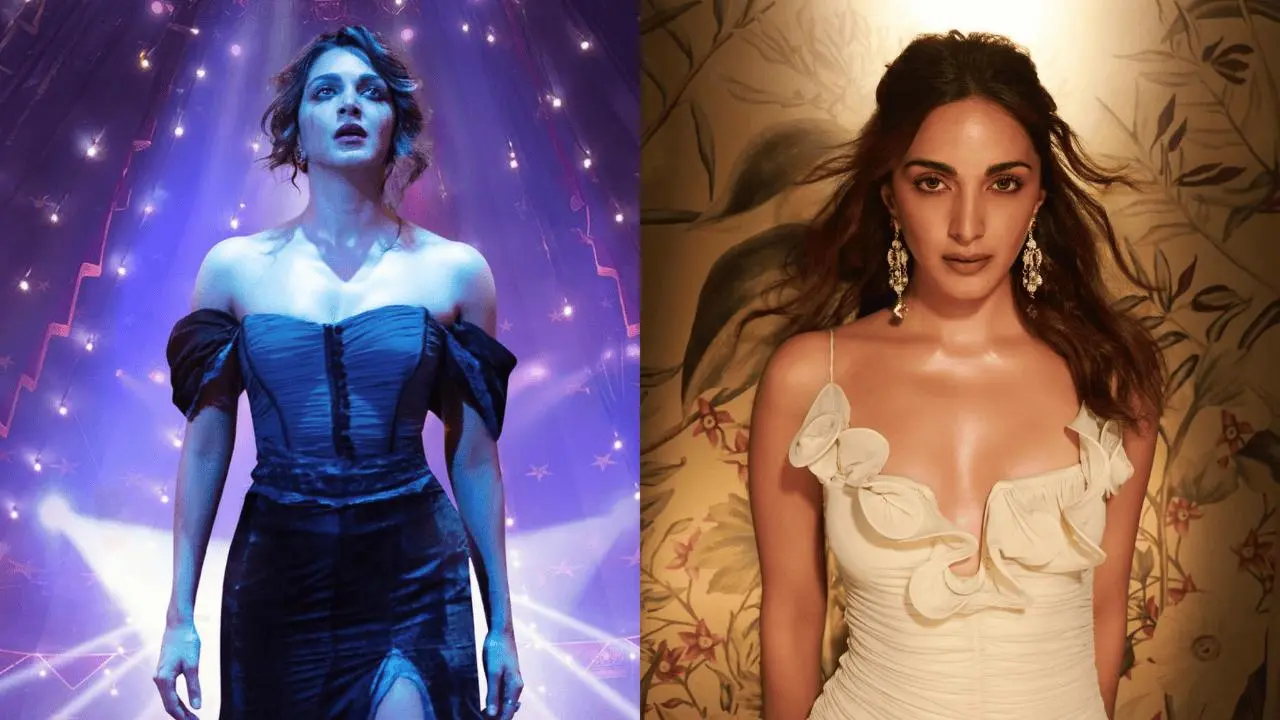
If Toxic delivers, it could genuinely reset expectations for what Bollywood actors can do in South productions — and what South productions can ask of them.
You can follow all the latest Toxic updates and behind-the-scenes content on our Instagram page where we cover everything as it drops.
Janhvi Kapoor in Peddi (Telugu) — 2026
Peddi, directed by Buchi Babu Sana — who made the genuinely moving Uppena — is set in 1980s rural Andhra Pradesh and pairs Janhvi opposite Ram Charan. The period setting is significant. This isn’t a contemporary action film where Janhvi just needs to look good and deliver punchy dialogue. This is a film rooted in a specific time, place, and cultural context, with a director known for finding real emotional depth in his material.
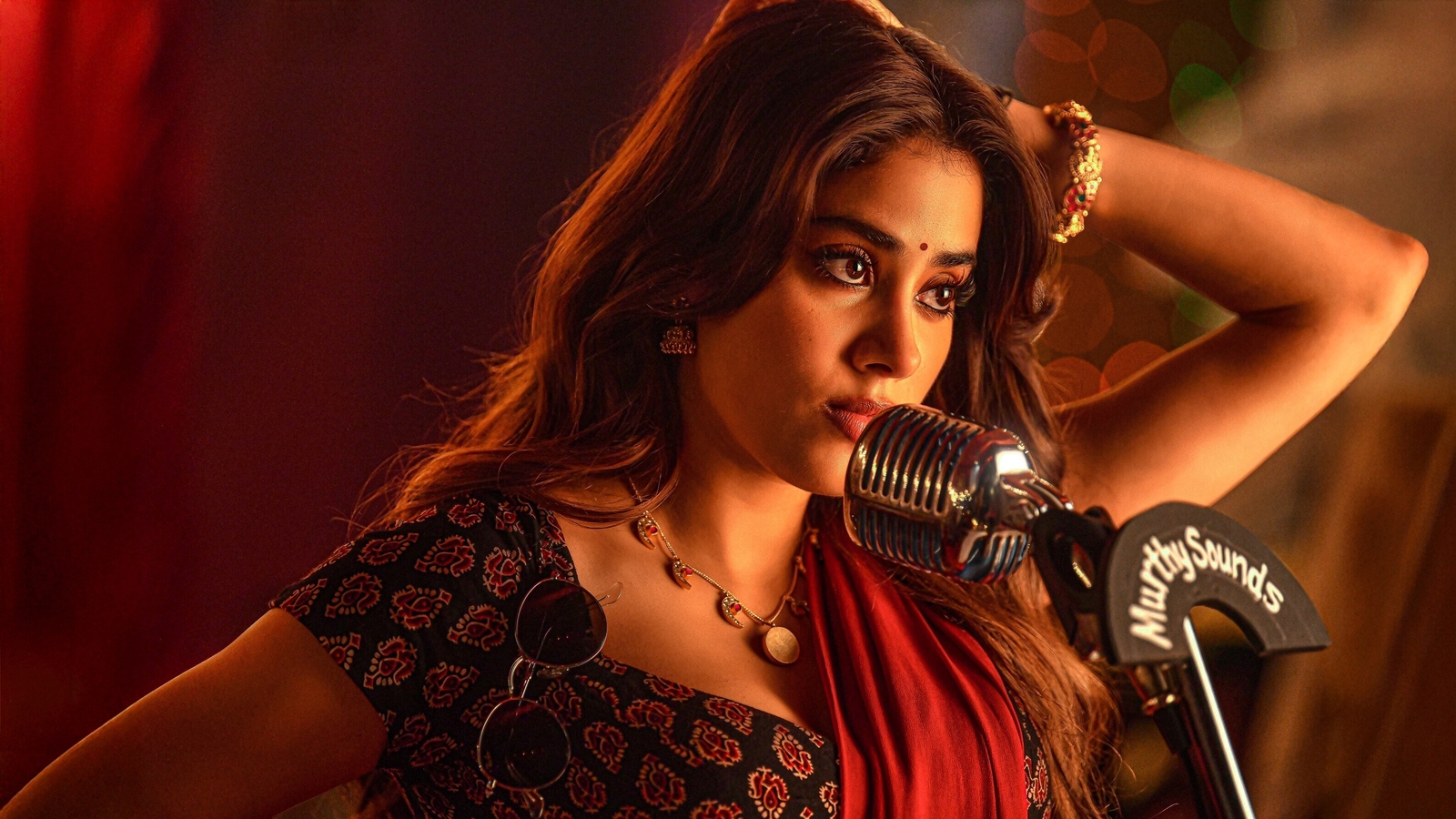
Janhvi’s involvement feels more considered than a simple crossover play. She’s choosing directors who have something to say, and after Devara — which had mixed results but showed she could handle the physical and emotional demands of Telugu cinema — Peddi is clearly a deliberate next step.
There’s also the Sridevi factor that’s impossible to ignore. Telugu audiences have enormous affection for Sridevi’s legacy, and Janhvi’s presence carries that emotional baggage in the best possible way. Whether she can fully step out of that shadow and own the role independently is the real test.
Mrunal Thakur in Dacoit: A Love Story (Telugu)
Mrunal Thakur isn’t starting from zero in Tollywood. Sita Ramam (2022) was a genuinely lovely film that found a huge audience across languages, and her performance in it got real appreciation from Telugu cinema audiences. She wasn’t just “the Bollywood actress” in that film — she was the emotional centre of it.
Coming back for Dacoit opposite Adivi Sesh makes complete sense as a next move. She’s building something in Tollywood rather than just visiting it. That continuity of presence is exactly what makes a crossover meaningful rather than transactional.
Gulshan Devaiah — The Most Interesting 2026 Story
Gulshan Devaiah doing two very different South projects simultaneously — Legacy (Tamil Netflix drama) and Maa Inti Bangaram (Telugu, with Samantha Ruth Prabhu) — is the crossover story that doesn’t get enough attention.
He isn’t the biggest name on this list. He doesn’t have a Kabir Singh or a Devara on his filmography to point to as proof of mass appeal. What he has is a consistent track record of making bold, unexpected choices that elevate whatever project he’s in. His work in Kantara: Chapter 1 introduced him to a massive new audience that had no idea who he was from Bollywood. That’s a remarkable thing to achieve mid-career.
Watch his 2026 South slate closely. Based on his history, he’ll do something genuinely memorable with at least one of these roles.
Sanjay Dutt in The Raja Saab (Telugu) — 2026
Sanjay Dutt joining Prabhas in The Raja Saab is casting that sounds almost too large to take seriously, and yet it’s happening. This is a horror comedy — an interesting genre choice — and Dutt’s presence signals how completely mainstream the Bollywood–South bridge has become when an actor of his stature treats Telugu projects as a natural part of his schedule rather than an unusual detour.
For reference, follow our Pinterest board where we’ve been curating posters and updates for all the major 2026 South productions including The Raja Saab.
What South Cinema Actually Gets From This Deal
It’s easy to frame this entirely as Bollywood actors benefiting from South cinema’s momentum. But the exchange goes both ways, and it’s worth being clear-eyed about what each side is getting.
South productions with Bollywood names in the cast get automatic coverage from Hindi entertainment media that would otherwise largely ignore them during production. They get easier access to North Indian multiplex chains for their Hindi dubbed releases. And there’s a certain kind of mainstream legitimacy that, unfortunately, still attaches to Bollywood names in parts of the Hindi-speaking market — a legacy of decades of media dominance from Mumbai.
For Telugu productions specifically, casting a known Bollywood actress alongside a superstar like Prabhas, Ram Charan, or Yash also softens the barrier for North Indian audiences who might otherwise feel like they’re watching “a South film” rather than “an Indian film.” That’s a real psychological barrier that exists in certain demographic pockets, and familiar faces help lower it.
The risk — and this is something critics and industry voices in Chennai and Hyderabad have raised — is that this starts diluting the regional authenticity that made South cinema interesting in the first place. The stories rooted in specific geographies, languages, and cultural contexts are part of why these films connect so deeply with their home audiences. If Pan-India becomes a checklist that includes “cast a Bollywood star” regardless of whether it serves the story, something real will be lost.
So far in 2026, most of the projects seem to be making thoughtful casting decisions rather than cynical ones. Whether that continues as the trend accelerates is the question worth tracking.
The Challenges Nobody Talks About Enough
Language is the obvious one, and it’s more complicated than it sounds. Most Bollywood actors shooting in Telugu or Tamil are working with dialect coaches and dubbing their own lines for some regional versions of the film. The results vary significantly. Audiences in Andhra Pradesh or Tamil Nadu notice immediately when pronunciation is off — it’s not a minor thing, it can genuinely affect how much they connect with a character. Mrunal Thakur got real, specific praise for her Telugu dialogue delivery in Sita Ramam. Others haven’t fared as well.
Physical demands are the challenge that surprises most actors. South commercial cinema — especially Telugu and Kannada — has an action and stunt culture that’s significantly more intensive than what most contemporary Bollywood productions require. Janhvi Kapoor has spoken in interviews about the months of physical preparation Devara demanded. It’s not something you can shortcut.
Cultural performance tone is the subtlest challenge and the one that’s hardest to fix after the fact. South mass entertainers have a specific internal rhythm — the way hero moments land, the emotional escalation before the interval block, the particular register of family sentiment that runs through even the most action-heavy films. Actors who’ve absorbed this understand how to calibrate their performance to it. Actors who bring a purely Bollywood performance sensibility without adjustment can end up feeling slightly out of sync with everything happening around them on screen — technically competent but somehow not quite in the same film.
Remake fatigue is also a real issue, though it applies more to the overall Bollywood–South dynamic than to these specific crossovers. North Indian audiences have become increasingly savvy about recognising when a Hindi film is a South remake, and their tolerance for lazy adaptations has dropped sharply. This is actually an argument in favour of the direct crossover approach — Bollywood actors appearing in original South productions is more interesting than the same stories being remade in Hindi with new faces.
The Bigger Picture: Is This Good for Indian Cinema?
Honestly? Probably yes, with caveats.
The positive case is real. When actors work across industries, they carry sensibilities back with them. Janhvi Kapoor returning to Bollywood after Peddi will presumably bring something different to her Hindi films. Directors who cast across regions start developing a more flexible sense of what Indian audiences can handle. The gene pool of storytelling broadens.
There’s also a practical quality argument. South productions — particularly major Telugu and Kannada productions — have been consistently better at large-scale physical filmmaking than Bollywood for the last decade. Better action choreography, better VFX integration, better on-location shooting ambition. Bollywood actors spending significant time on South sets absorb those production standards. That can only help.
The negative case is also worth taking seriously. Cinema’s regional diversity is genuinely valuable. Tamil films have a specific literary and political sensibility. Malayalam films have a tradition of quiet, realistic human storytelling that’s unlike anything produced elsewhere in India. If the commercial pressure of Pan-India returns forces everything toward a single maximalist grammar — big action, universal emotional beats, no rough regional edges — something irreplaceable gets smoothed away.
The ideal outcome is an exchange, not a homogenisation. South cinema influences how Bollywood thinks about scale and story. Bollywood’s cross-regional distribution muscle helps South films reach audiences they’d otherwise miss. Everyone makes better work as a result. Whether that’s actually what happens in practice, or whether commercial gravity pulls everything toward the safest common denominator, is what 2026 and the years after it will tell us.
Related Articles You’ll Enjoy
- Pan-India Films 2026: The Movies That Could Dominate the Box Office
- South Indian Superstars Crossing Borders: The 2026 Reality Check
- Top South Indian Blockbusters That Conquered Pan-India Box Office
- Best South Indian Movies Dubbed in Hindi to Watch in 2026
Final Thoughts
The Bollywood–South crossover in 2026 is no longer something you can describe as a trend or an experiment. It’s the new normal. The slate this year — Toxic, Peddi, Dacoit, The Raja Saab, and a dozen smaller projects — represents a genuine restructuring of how Indian cinema operates, who makes what, and for whom.
Some of these films will be exactly what they promise. Some will fall short of the crossover’s potential. A few will probably surprise everyone.
But by the time Ramayana arrives at Diwali with Ranbir Kapoor headlining what is essentially a South-originated mythological epic produced at Hollywood scale, the idea of Indian cinema as something with clear North–South borders will feel genuinely antique.
Maybe that’s a good thing. Maybe something is being lost. Probably both, depending on which film you’re watching.
Keep up with every update, poster drop, and trailer release on our Instagram and Pinterest — we cover it all as it happens.

Popcorn in hand and a opinion ready — Emily covers movie reviews, box office buzz, and all things cinema at Popcorn Review.

