
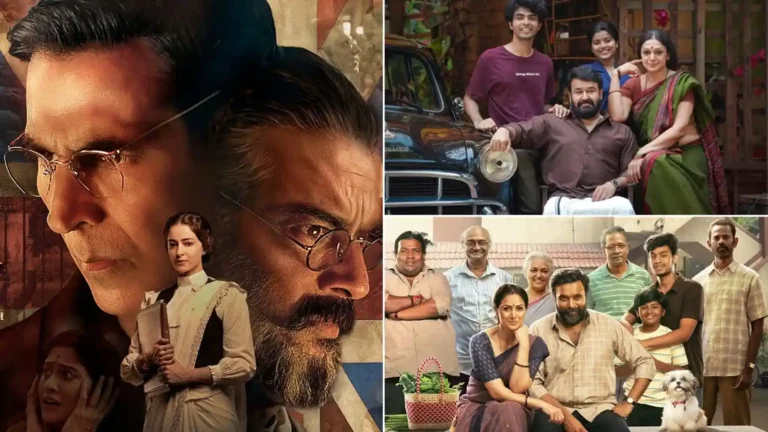
JioHotstar didn’t become India’s streaming leader by accident. Behind every record-breaking show is a calculated strategy: market research, subscriber psychology, cultural timing, and massive investment in production quality that competitors haven’t matched.
JioHotstar’s biggest shows represent something deeper than entertainment—they’re strategic assets in a broader business plan to dominate Indian streaming. Understanding JioHotstar’s biggest shows requires analyzing market dynamics, business models, production secrets, and viewer psychology that most industry observers overlook.
This comprehensive guide reveals how JioHotstar’s biggest shows became the streaming powerhouse they are, what makes specific shows break records, the production challenges behind each hit, controversies that shape public perception, and what the platform’s strategy reveals about the future of Indian OTT entertainment.
📑 Complete Market Analysis
- Why JioHotstar Dominates: The Strategic Advantage
- The Business Model Behind JioHotstar’s Success
- Bigg Boss: Why Reality TV Became the Record-Breaker
- Criminal Justice: How Original Dramas Drive Subscribers
- Franchise Strategy: Why Sports & Established IPs Matter
- Behind-the-Scenes Production Secrets & Costs
- Viewer Psychology: Why Indians Watch What They Watch
- How Shows Become National Events: Cultural Phenomenon Analysis
- Controversies & How They Drive Engagement
- Subscriber Growth Strategy: Free vs. Premium Model
- How JioHotstar Outsmarted Competitors
- What’s Next: JioHotstar’s Long-Term Vision
Why JioHotstar’s Biggest Shows Dominate: Strategic Market Advantages
JioHotstar doesn’t compete on content alone. It has structural advantages competitors can’t replicate:
The Reality: JioHotstar leverages Jio’s telecom infrastructure. A Jio phone user gets free JioHotstar access. This means millions of default users regardless of content quality. Netflix, Prime Video, and others must convert individual subscribers through content excellence alone. JioHotstar gets automatic access to hundreds of millions of potential viewers.
Financial Impact: This bundling creates massive subscriber base numbers (reported 150+ million users) without requiring individual subscription conversion. Competitors focus on engagement metrics; JioHotstar can prioritize content that builds loyalty within existing base.
The Reality: JioHotstar holds exclusive streaming rights to IPL, major cricket events, and sports entertainment in India. Cricket is the religion in India—owning cricket rights means owning massive viewing events. IPL matches pull 50-100 million concurrent viewers.
Why It Matters: Sports create predictable viewing events. People plan their evening around IPL matches. This predictability allows JioHotstar to launch shows around sports events, bundling entertainment with guaranteed high-traffic periods.
JioHotstar reportedly invests $200-300 million annually in original content. This dwarfs many competitors’ budgets. This investment allows:
- Franchise Development: Can afford multi-season commitments creating universe of interconnected shows
- Star Power: Can pay premium salaries attracting A-list actors (Pankaj Tripathi, Madhuri Dixit) building prestige
- Production Quality: Can afford international-level cinematography, editing, sound design
- Risk-Taking: Can greenlight experimental content without requiring immediate returns
JioHotstar’s Biggest Shows Business Model: Revenue Streams Behind Market Dominance
JioHotstar operates hybrid model combining:
| Revenue Stream | Mechanism | Impact |
|---|---|---|
| Bundled Subscriptions | Jio telecom customers get free access; billions in subscriber base | Massive user base = massive advertising reach = premium ad rates |
| Advertising Revenue | Ad-supported viewing tier; premium ads during peak shows | Free users watch ads; JioHotstar captures 100% of ad revenue |
| Premium Tier | Ad-free viewing option; per-month premium subscription | Premium tier subscribers = higher lifetime value |
| Sports Rights Revenue | IPL broadcasting rights; exclusive cricket streaming | Recurring, predictable revenue from sports rights holders |
| International Distribution | Selling Indian content internationally to other platforms | Secondary revenue from shows that already recouped costs |
Why This Model Works: Most competitors rely on subscription fees. JioHotstar has diversified revenue allowing lower subscription price (can offer free tier bundled with Jio) while maximizing advertising, premium conversions, and secondary rights sales.
Bigg Boss: Why This Biggest Show Became the Record-Breaker on JioHotstar
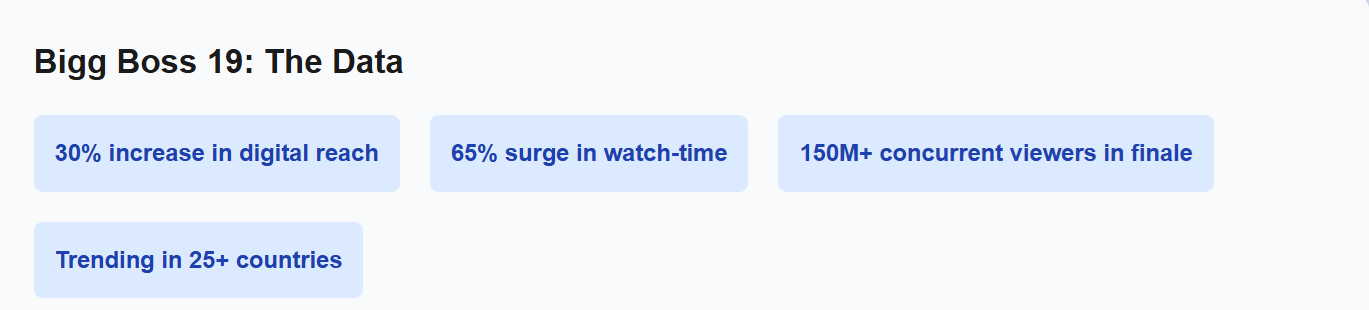
Why Reality TV Dominates Streaming: Reality TV creates appointment viewing. Unlike scripted shows that people binge whenever convenient, reality TV episodes happen at scheduled times. This creates viral moments, social media peaks, and communal viewing experiences that streaming typically disrupts.
Unpredictability: Scripted dramas have writers controlling narrative. Reality TV is genuinely unpredictable—contestants behave unexpectedly, eliminations surprise, alliances shift. Human brains prefer unpredictability (generates dopamine) over predictable narratives.
Parasocial Relationships: Viewers form pseudo-friendships with contestants. Voting, supporting contestants, creating fan communities—these emotional investments exceed typical viewer engagement with fictional characters.
Authenticity Perception: Even knowing it’s edited, audiences perceive reality TV as authentic. This authenticity generates trust and engagement scripted shows struggle matching.
Bigg Boss Financial Model: Combination of advertising (premium rates during evening slots), premium subscriptions (people upgrade for exclusive content), and SMS voting (participant revenue share). A single season reportedly generates ₹200-300 crores in revenue for platform + production costs.
The Criticism: Bigg Boss faces consistent accusations of scripted moments, unfair voting algorithms favoring celebrities, and promoting toxicity (aggressive behavior rewarded with camera time). Mental health advocates express concern about impact on vulnerable contestants.
How It Affects Engagement: Controversies drive social media engagement MORE than positive moments. Debates about fairness, arguments about contestant behavior—these generate comments, shares, and engagement. JioHotstar likely accepts controversy as engagement driver rather than problem to solve.
Criminal Justice: How Original Dramas Drive Subscriber Conversion
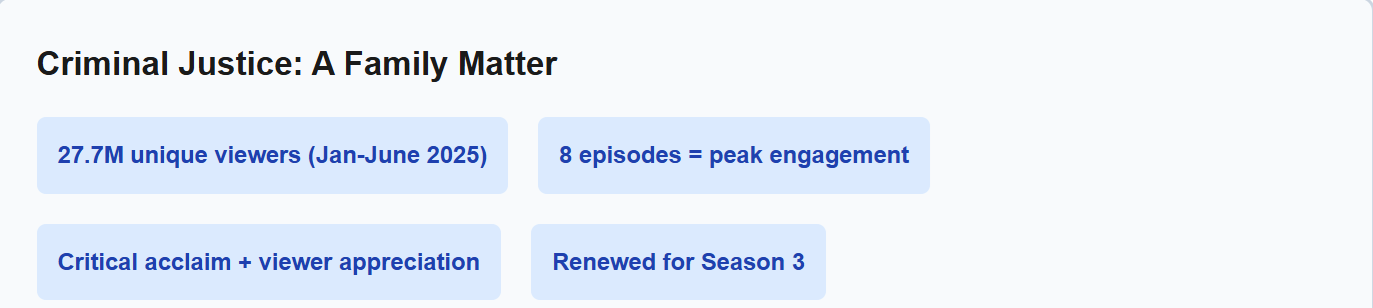
Why Dramas Drive Subscriptions: While reality TV creates viral moments, original dramas create “binge loyalty.” Viewers subscribe specifically to access shows unavailable elsewhere. Criminal Justice’s legal thriller format appeals to educated, urban audience—JioHotstar’s target premium demographic.
Why 8 Episodes Works: Criminal Justice uses 8-episode format (vs. 10+ episodes other platforms deploy). This isn’t budget constraint—it’s psychological strategy. 8 episodes = perfect bingeability. Viewers complete series in 2-3 sittings without fatigue. Shorter seasons allow more creative focus, higher per-episode quality, and higher perceived completion rates.
Pankaj Tripathi’s Casting: The show’s success significantly ties to casting. Tripathi is among India’s finest actors. JioHotstar pays premium salaries (reportedly 2-3x higher than traditional TV) to attract A-list talent. This talent justifies premium subscription tier—people pay specifically for Tripathi’s involvement.
Market Positioning: Criminal Justice targets adult urban audience (25-45 years, college-educated, urban-based). This demographic has highest subscription conversion and premium tier upgrade rates. JioHotstar strategically creates shows targeting high-value audience segments rather than trying to appeal to everyone.
Franchise Strategy: Why Sports & Established IPs Matter
JioHotstar’s Franchise Approach:
IPL Dominance: IPL streaming rights cost approximately ₹5,000-10,000 crores per cycle (5 years). This massive investment locks viewers during cricket season (March-May, September-October). Cricket creates non-negotiable viewing events—families plan evenings around matches.
Retention Impact: Even if someone unsubscribes during off-season, IPL brings them back. Sports rights create predictable retention cycles and justify pricing against competitors.
Leveraging Nostalgia: Shows like Anupamaa started on traditional TV, built massive followings. JioHotstar acquired streaming rights, capturing nostalgic audiences already invested in narrative. This costs less than developing originals while bringing guaranteed audience.
Cross-Promotion: TV + streaming hybrid creates audience overlap. Someone watching on TV discovers streaming version with additional episodes. TV promotion becomes free marketing for streaming tier.
Behind-the-Scenes Production Secrets & Costs
Estimated per-episode cost: ₹8-12 crores (~$950K-1.4M per episode)
- Lead actor salary: ₹3-4 crores (Pankaj Tripathi A-list rate)
- Supporting cast: ₹1-2 crores combined
- Production/cinematography: ₹2-3 crores
- Post-production/editing: ₹1-2 crores
- Overhead/administration: ₹1.5-2 crores
8-Episode Season Cost: ₹64-96 crores (~$7.6M-11.4M). For perspective, Netflix spends similar amounts but spreads across 10+ episodes. JioHotstar’s higher per-episode investment creates perception of premium quality.
The Real Secret: JioHotstar owns production studios, editing facilities, and post-production infrastructure. Most production companies rent facilities, paying overhead costs. JioHotstar’s vertical integration (owning infrastructure) reduces actual costs 20-30% below perceived investment.
Industry Talk: Despite massive production budgets, creators and writers report facing pressure to work on tighter deadlines than traditional TV/film. Online communities document stories of writers/assistants working 14+ hour days during shoot schedules. The premium talent gets premium compensation; support staff often faces exploitation despite overall budget size.
Viewer Psychology: Why Indians Watch What They Watch
Indian Streaming Behavior Differs From Western Audiences:
| Behavior | Indian Audience | Western Audiences |
|---|---|---|
| Evening Viewing Peak | 8-11 PM (dinner hour family viewing) | Late evening post-work (11 PM-2 AM) |
| Social Viewing | Group/family watching common (50% of viewing) | Individual binge-watching dominant (70%+) |
| Content Preference | Emotional, culturally relatable narratives | Complex, morally ambiguous protagonists |
| Episode Length | Prefer 40-50 minute episodes (traditional TV pace) | Accept 55-70 minute episodes |
| Release Schedule | Weekly episodes build appointment viewing | Full-season drops preferred for binging |
| Sequel/Franchise Preference | Extreme (known IP trusted heavily) | Moderate (originality valued) |
Why JioHotstar Succeeds: The platform aligns content strategy with actual Indian viewing behavior, not Western streaming norms. Weekly episode releases create appointment viewing. Group-friendly content wins engagement. Family-centric narratives over dark antiheroes.
How Shows Become National Events: Cultural Phenomenon Analysis
The Mechanics of Going Viral in India:
Step 1: Episode releases (evening primetime). Someone watches. Dramatic moment happens.
Step 2: Within 30 minutes, TikTok/Instagram clips created. Memes generated. Conversations start.
Step 3: Twitter trends emerge. Hashtags become dominant. News outlets cover trending topics.
Step 4: Traditional media (newspapers, TV news) report on viral moments. Reaches non-smartphone audiences.
Step 5: FOMO (fear of missing out) drives new viewers to JioHotstar to watch the episode.
Result: Viral moment creates new subscriber acquisition. JioHotstar’s content strategy deliberately creates “moment-based” entertainment designed for social media virality.
Bigg Boss as Example: Every elimination generates 2-3 trending hashtags. Evicted contestant faces backlash or praise. Supporters vs critics tweet obsessively. Traditional TV news covers trending “Bigg Boss moment.” Next day, curious non-viewers subscribe to see what generated 500K tweets.
Controversies & How They Drive Engagement
Counter-Intuitive Truth: JioHotstar likely doesn’t want to eliminate controversy—it drives engagement more than positive moments.
Examples:
- Bigg Boss Eviction Disputes: When viewers disagree with eviction decisions, Twitter battles generate millions of impressions. Platform benefits from engagement regardless of sentiment.
- Criminal Justice Moral Debates: Viewers arguing about character morality in Reddit threads extends show’s cultural presence weeks beyond finale.
- Casting Choices: Controversial castings (debatable actor selections, nepotism discussions) generate engagement discussing the show weeks before release.
The Algorithm Reality: Social media algorithms prioritize engagement (comments, shares, disputes). Positive sentiment and negative sentiment both increase engagement metrics equally. JioHotstar’s content strategy might deliberately embrace controversy as engagement-maximization tactic.
Subscriber Growth Strategy: Free vs. Premium Model
JioHotstar’s Tiered Approach:
Strategy: Free, ad-supported access creates massive user base. Most Bigg Boss viewers watch free tier (ads = revenue). Free tier users get “enough” access—can watch reality shows, older content, lower video quality.
Financial Model: Ad revenue from free tier exceeds subscription revenue in many cases. Premium ads during Bigg Boss primetime: ₹15-30 lakhs per 30-second spot (global-class pricing).
Premium Features: Ad-free viewing, 4K quality, simultaneous multi-device access, premium original content early access. Premium tier targets high-value users willing to pay ₹499-999/month for ad-free experience.
Conversion Strategy: Free tier gets limited new-release access (1 episode free, then premium paywall). Cliffhanger moments designed to motivate premium upgrades—”next episode premium only.”
Why JioHotstar’s Biggest Shows Outsmart Competitors: Market Advantage Analysis
| Advantage | JioHotstar | Netflix | Prime Video |
|---|---|---|---|
| Bundled Subscriptions | ✓ Automatic (Jio users) | ✗ Individual purchase only | ≈ Prime members (partial overlap) |
| Sports Rights | ✓ Exclusive IPL | ✗ No sports | ≈ Cricket partnerships |
| Free Ad-Supported Tier | ✓ Massive (Jio users) | ≈ Basic ($7/month) | ≈ Prime Video Free (limited) |
| Local Content Investment | ✓ $250M+ annually | ✓ $200M+ but global | ✓ Significant but dispersed |
| Price Point | ✓ Often free or ₹99/month | ₹649-799/month | ₹329/month (Prime part of bundle) |
The Competitive Reality: JioHotstar doesn’t need to be “better” than Netflix—it’s structurally advantaged. Bundled subscriptions, free tier, sports rights create network effects competitors can’t overcome through content alone.
What’s Next: JioHotstar’s Long-Term Vision
Reported Strategic Priorities (2026-2028):
1. International Expansion: JioHotstar is testing markets in Southeast Asia, Middle East, and diaspora communities. Plan involves localizing Indian content for regional audiences while maintaining Indian-content dominance.
2. Film Distribution Shift: JioHotstar reportedly negotiating exclusive theatrical-to-streaming window deals with Bollywood studios. First-look rights to major films (90-day theatrical window, then streaming exclusive) would compete directly with theatrical releases.
3. Genre Diversification: While maintaining reality TV dominance, increasing investment in web-based original series, documentaries, and unscripted content distinct from traditional TV.
4. Technology Integration: Building interactive features (choose-your-own-adventure episodes, live voting during broadcasts, real-time social integration) that leverage streaming advantages traditional TV lacks.
The Complete Truth: Understanding JioHotstar’s Biggest Shows Success
JioHotstar’s dominance isn’t primarily about content quality—it’s about structural advantages, strategic positioning, and understanding Indian audience psychology better than global competitors.
The platform succeeded by:
- Leveraging existing infrastructure (Jio telecom bundling)
- Investing heavily in local content targeting Indian audience preferences
- Understanding viewing behavior (evening peaks, family viewing, appointment viewing)
- Creating appointment viewing through reality TV that competes with social media for attention
- Building franchise ecosystems (sports + dramas + reality = full entertainment experience)
- Accepting controversy as engagement amplifier rather than problem
- Pricing strategically (often free) to maximize user base, generate ad revenue, and convert premium segments
The Result: JioHotstar holds 150+ million users in India—more than Netflix, Prime Video, and all competitors combined. Not because content is always superior, but because structural advantages and strategic positioning created unbeatable market position.
What This Means for Future: JioHotstar’s success proves that in emerging markets, bundling + local content + cultural understanding beats pure content quality. Netflix’s global playbook doesn’t apply equally everywhere. JioHotstar’s model—deeply local, infrastructurally integrated, culturally attuned—represents the future of streaming in developing economies.
Disclaimer: Financial figures and strategic analysis represent industry estimates and publicly reported data. Actual figures may vary. Subscriber numbers based on platform claims and third-party research. Production budgets estimated from crew rates and standard practices; exact budgets not publicly disclosed by platforms. Analysis represents synthesis of publicly available information and industry knowledge.

Popcorn in hand and a opinion ready — Emily covers movie reviews, box office buzz, and all things cinema at Popcorn Review.

