
OTT versions of theatrical films have become one of the most reliably rage-generating topics in Indian film fandom, and the anger is not always irrational. When Dhurandhar hit Netflix on January 30, 2026, viewers discovered the OTT version was nearly nine minutes shorter than what they had watched in theatres, with cuss words muted, Sanjay Dutt’s “Baloch” dialogue silenced mid-sentence, and smoking scenes accompanied by on-screen emoji warnings. An A-rated film — certified for adults only — had been censored more heavily on a streaming platform than it was in cinemas.
“You certify the film as A but you have muted/censored words,” one viewer wrote on X within hours of the Netflix debut. “Like, are we a bunch of 5-year-olds or what? Everyone in this app is over 18. There’s no meaning in watching a film with lots of cuts and censoring. You’re just stealing the natural raw vibe from it.”
That’s a coherent complaint. It deserves a coherent answer — which is exactly what fans aren’t getting from the platforms and filmmakers involved. So let’s go through the actual cases, the actual reasons, and what’s really happening when the OTT version of a film you loved in theatres turns out to be a different film.
The Dhurandhar Case: What Actually Changed and Why OTT versions of theatrical films
The Dhurandhar controversy is the most recent and most detailed example of the OTT version anger, and it’s worth unpacking properly because the reality is more complicated than either side of the argument usually acknowledges.
The theatrical version of Dhurandhar ran for 3 hours, 34 minutes, and 1 second in its original cut. After the Baloch community filed a petition in early January 2026 objecting to Sanjay Dutt’s dialogue, a court ordered modifications. The revised theatrical version — released on January 1, 2026 — had a runtime of approximately 209 minutes (3 hours, 29 minutes). The Netflix version runs 3 hours, 25 minutes.
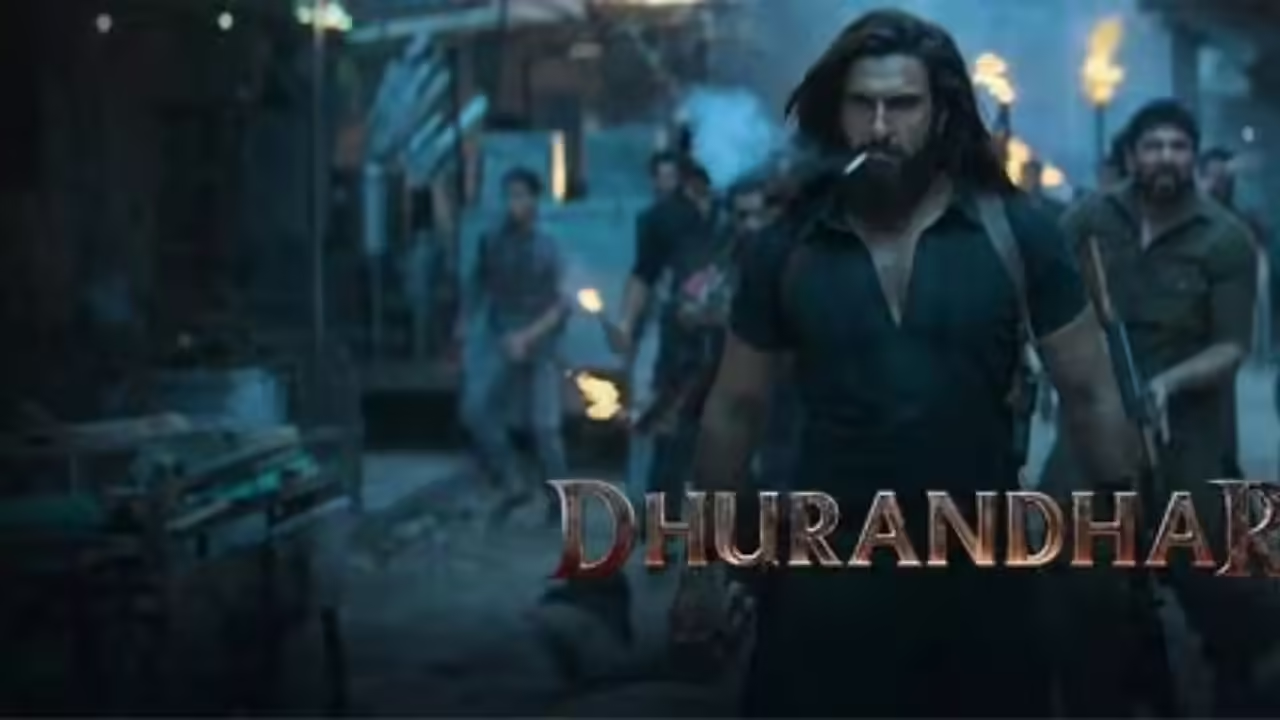
So the true gap between the original theatrical experience and the Netflix version is roughly five minutes for viewers who saw it after January 1, not nine minutes as widely claimed. The “nine minute” figure was being compared against the original theatrical cut that had already been court-modified before the OTT release. A Reddit user worked this out in a detailed breakdown: subtract the statutory disclaimer cards about smoking (which are required in cinema halls but don’t appear on OTT), and you arrive at a gap of about three minutes — not ten.
None of that explains the muted dialogues. The word “Baloch” being silenced mid-sentence in Sanjay Dutt’s scene creates exactly the awkward pause viewers complained about — a dead moment where dialogue should be, making the scene feel broken. Cuss words were muted throughout. These weren’t technical adjustments. These were editorial decisions applied to a film that had received an A certificate precisely because it contained adult content, on a platform whose entire verified user base is over 18.
The comparison fans kept returning to was obvious: “If Animal and Kabir Singh can stream uncut on OTT, why is Dhurandhar treated differently?” That’s a fair question. Neither Netflix nor Aditya Dhar responded publicly to it.
The Pathaan Case: When OTT Actually Added More
The Dhurandhar situation looks particularly strange when you look at what happened with Pathaan in 2023, because it ran in almost exactly the opposite direction.
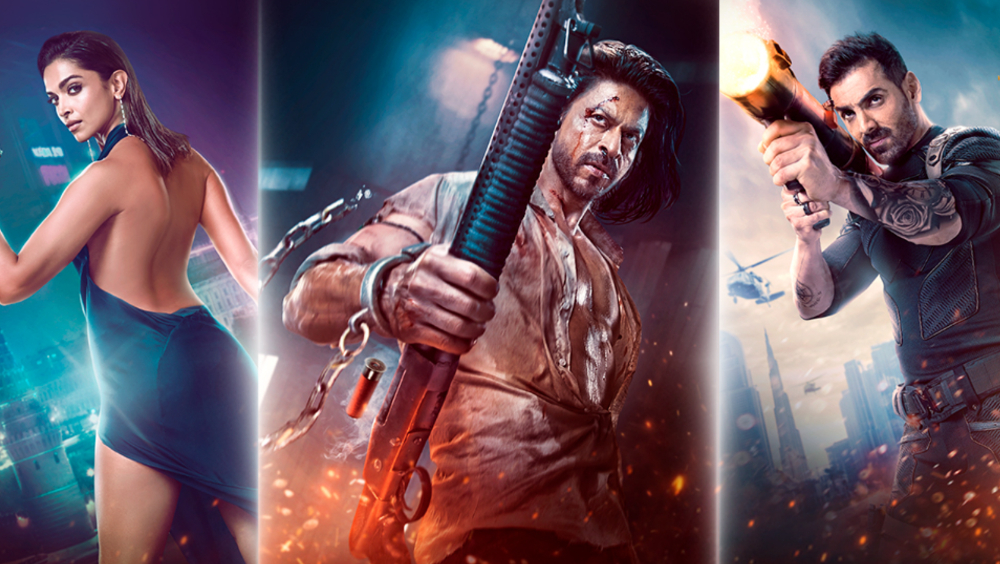
When Shah Rukh Khan’s spy thriller landed on Amazon Prime Video in March 2023, fans discovered the OTT version was longer than what they had watched in theatres. Four scenes that had been cut from the theatrical release were present on the streaming version: Dimple Kapadia’s scene on a flight, a sequence showing SRK’s character being tortured in a Russian prison, his return to elite squad JOCR (Joint Operations and Covert Research), and an interrogation scene involving Deepika Padukone.
The reaction was the mirror image of the Dhurandhar response — but equally frustrated. “That scene when Pathaan comes back to JOCR was bloody good,” one fan wrote. “Don’t know why it was deleted. Also, them working out a plan to infiltrate Jim’s lab. Would have added weight to the entire lab scene.” Another asked SRK directly to re-release the film in theatres with the deleted scenes restored.
In this case, the OTT version was more complete than what paying theatrical audiences had seen. The cuts had been made for theatrical pacing — scenes that worked independently but slowed the middle section — and restored for streaming, where pacing norms are different and viewers can pause.
Both situations — Dhurandhar losing content, Pathaan gaining it — produced the same emotional response from fans: anger at being given a different version from what they expected, with no explanation and no choice.
The Animal Case: The Extended Cut That Wasn’t
Animal’s OTT journey is its own cautionary tale about the gap between what filmmakers promise and what actually arrives.
Director Sandeep Reddy Vanga said explicitly in interviews before the Netflix release that the OTT version of Animal would be longer than the theatrical cut. “Now, I will be using those 5-6 minutes extra,” he said, describing scenes he had wanted in the film but had cut under pressure from distributors worried about the already-long 3 hour, 21 minute runtime. Reports before the OTT release confirmed an extended cut with 8 additional minutes, including added scenes of Rashmika Mandanna. This became a major part of the marketing conversation around the Netflix premiere.
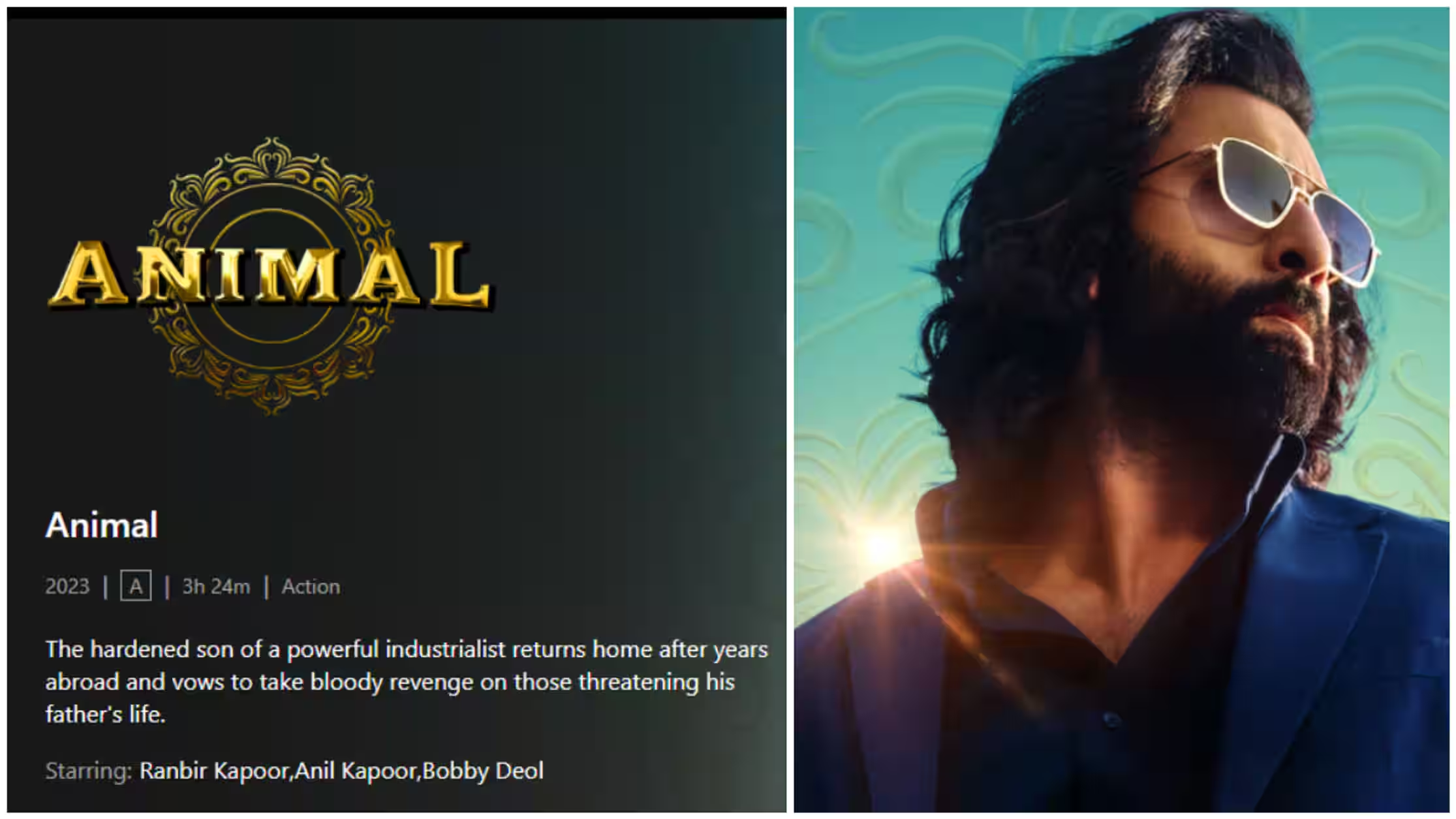
When Animal landed on Netflix on January 26, 2024, the runtime was identical to the theatrical version. No extended cut. No additional scenes. No explanation from Vanga or Netflix.
The Animal situation illustrates a different kind of OTT version frustration — not anger at scenes being removed, but at promises made and then quietly abandoned. Fans who had held off rewatching in theatres specifically to experience the extended cut were left with exactly the same film they had already seen, while the director’s “I’m adding 5-6 minutes” statement went unaddressed.
Why These Differences Happen — The Actual Mechanics
Before judging OTT platforms too harshly, it’s worth understanding the genuine technical and legal reasons why the theatrical and streaming versions of a film can differ, because not every difference is censorship or sabotage.
Statutory warning cards: Indian cinemas are legally required to display anti-smoking and anti-tobacco warnings at the beginning of the film and before any scene depicting smoking. These are usually static cards lasting 20-30 seconds each. On OTT, these statutory requirements don’t apply in the same form — platforms often use small on-screen icons instead. When a film with heavy smoking content moves to OTT, the absence of multiple warning cards alone can account for 2-3 minutes of runtime difference. This is entirely routine and has nothing to do with content changes.
Interval cards and censor slates: In Indian theatres, films include a formal interval card and CBFC certification slates at the beginning and sometimes end. These are removed during digital mastering. Again, routine, not editorial.
Court-ordered modifications: As with Dhurandhar’s Baloch dialogue, courts can order changes to content after a film’s theatrical release. The version that then goes to OTT reflects those court orders — the platform isn’t making those choices, the legal process is.
Platform content policies: Here is where legitimate criticism applies. OTT platforms do have their own content standards that can conflict with what was certified for theatrical release. Netflix India, in particular, has received criticism for applying more conservative content standards to Indian films than those films received from the CBFC. Why an A-rated film would have profanity muted on Netflix when Netflix’s own original content contains significantly stronger material is a question the platform has never answered satisfactorily.
Producer decisions: This is the part most fans don’t know: Netflix and other OTT platforms do not edit films unilaterally. The platform streams the version it receives from the producer. If a film arrives at Netflix with muted dialogue, that muting was done by the production house before delivery, not by Netflix’s internal team. The India TV News report on the Dhurandhar situation confirmed this explicitly: “Netflix or any other platform does not have the right to cut or alter a film. Streaming platforms only stream the version provided by the producers.”
This changes the accountability question significantly. When Dhurandhar fans directed their anger at Netflix — “Go to hell, @NetflixIndia” — the platform may not have been the party responsible for the muting. That would have been the production house’s decision, made for reasons that haven’t been publicly stated.
The Real Issue: No Transparency, No Choice
If there is one complaint that cuts across every OTT version controversy — Dhurandhar, Pathaan, Animal, and dozens of smaller cases — it’s the complete absence of transparency.
Theatrical audiences who buy tickets understand they’re watching a CBFC-certified cut. The certificate is displayed before the film. The rating is known. The runtime is listed.
When the same film arrives on OTT, there is no equivalent disclosure. There’s no label saying “This is the theatrical cut,” “This is an extended version with four additional scenes,” or “This version has been modified from the theatrical release per court order.” Viewers open the app, press play, and discover thirty minutes into the film that a scene they loved in theatres has been quietly altered or removed.
This opacity is what turns confusion into anger. The underlying frustration of the Dhurandhar response — “what’s the point of an A certificate if you’re muting everything?” — is really a question about consistency and honesty. Audiences are not being told what they’re watching or why it’s different from what they paid to see in cinemas.
The DVD era did this better. Physical releases used to clearly label “Director’s Cut,” “Extended Edition,” “Theatrical Version.” Viewers made informed choices about which version to buy. Streaming platforms have the technical capability to offer multiple cuts of the same film and label them clearly — they simply, consistently, choose not to.
The Fan Anger Is Real, But the Target Is Sometimes Wrong
Something worth saying clearly: the anger fans feel when they discover the OTT version of a beloved film has been altered is completely legitimate. Films build emotional memory. The specific version of a film you watched in a theatre — the sound design, the pacing, the uncut dialogue — becomes part of how you remember that experience. Discovering that the version now available at home is a different version, without being told it would be, feels like a betrayal of trust.
But some of the anger in specific cases is misdirected, particularly the rage directed at platforms for decisions that were made by production houses. And some of it overstates what actually changed — the Dhurandhar “nine minute cut” discourse was based on a comparison that didn’t account for the January 1 court-modified theatrical version, inflating the apparent gap significantly.
The most productive version of this conversation asks: who decided what, and why weren’t audiences told? That’s a question with a real answer, and the answer should lead to demands for transparency rather than demands for specific platforms to “go to hell.”
What Fans Actually Want — and What Would Fix This
The consistent ask across every OTT version controversy is simpler than the outrage cycle suggests. Fans are not, generally, asking for OTT platforms to vanish. They’re asking for three things:
Clear version labelling. If the streaming version differs from the theatrical cut — whether it’s longer, shorter, or modified — say so. Label it on the platform before the viewer presses play. This is technically trivial. The platforms simply don’t do it.
Access to the theatrical cut. Offer the theatrical version as an option, even if the platform’s primary version is edited. Many global streaming libraries already carry multiple cuts of major films. Indian films deserve the same treatment.
Producer accountability. When a production house delivers a modified version to an OTT platform, they should be required to disclose the changes and reasons. The current system allows modifications to happen silently, with neither the platform nor the producer claiming responsibility.
None of these asks are unreasonable. All of them are within the technical capability of existing platforms. The reason they don’t happen comes down to money and convenience — offering multiple cuts costs more to maintain, and disclosing modifications invites scrutiny that studios would rather avoid.
A Comparison: The Cases That Matter
| Film | Platform | Change | Direction | Explained? |
| Dhurandhar (2025) | Netflix | 9 min shorter (vs original); profanity muted; “Baloch” dialogue silenced | Cut | No official explanation |
| Pathaan (2023) | Amazon Prime | 4 deleted scenes restored; longer than theatrical | Extended | Not pre-announced |
| Animal (2023) | Netflix | Runtime identical to theatrical; promised extended cut never materialised | No change | Director had promised more |
| Kabir Singh (2019) | Netflix | Streamed uncut; no modifications from theatrical | Same | N/A |
| Dhurandhar theatrical (Jan 1 revision) | Theatres | Baloch dialogue modified per court order | Court-ordered cut | Court order public |
Related Articles
- Dhurandhar Theatrical Cut vs OTT Cut: What Netflix Changed and Why Fans Are Angry
- Dhurandhar Box Office: Every Record Broken, Every Number Explained
- Most Watched Korean Series on Netflix: 10 K-Dramas Ranked and Reviewed
- Pan-India Films 2026: The Movies That Could Dominate the Box Office
Follow our OTT and streaming coverage on Instagram and Pinterest.

Popcorn in hand and a opinion ready — Emily covers movie reviews, box office buzz, and all things cinema at Popcorn Review.

