
The best action movies of all time represent cinema at its most thrilling—where spectacular choreography, compelling storytelling, and technical mastery collide to create unforgettable experiences. From intimate martial arts sequences to globe-spanning heists, action films have evolved into one of cinema’s most diverse and innovative genres.
But what makes an action movie truly “the best”? Is it relentless pace? Emotional depth? Innovative choreography? Or a perfect balance of all three?
In this comprehensive guide, we’ll explore the best action movies across decades, genres, and filmmaking styles. You’ll discover why certain films have become benchmarks for the entire industry, how they’ve influenced modern cinema, and where you can watch them today. This isn’t just a list—it’s a deep dive into what makes action cinema transcendent.
What Makes the Best Action Movies Great? Understanding the Criteria
Before diving into our rankings, let’s establish what separates the best action movies from standard action films. Throughout this analysis, we’ve evaluated each film across multiple dimensions to ensure objectivity and comprehensive understanding.
1. Choreography & Stunt Work: The Physical Foundation
The best action movies feature innovative fight choreography or practical stunts that push physical boundaries. Whether it’s wire-fu, hand-to-hand combat, or car chases, the technical execution matters enormously. We evaluate:
- Fight design: Is choreography innovative or derivative?
- Camera work: Can viewers clearly see what’s happening?
- Practical vs. CGI: Which techniques serve the story best?
- Stunt safety: How seriously did filmmakers treat performer safety?
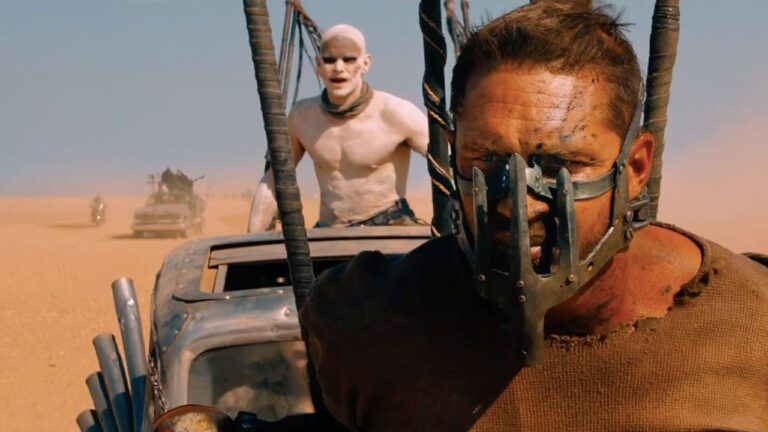
For example, Mad Max: Fury Road excels because George Miller uses practical vehicles, real crashes, and camera placement that lets viewers see every detail of the destruction. Meanwhile, John Wick innovates through gun-fu—seamless integration of ballistic precision and martial arts.
2. Story & Character Development: The Emotional Core
Great action films don’t rely on action alone. They feature compelling narratives, characters viewers care about, and emotional stakes that make action sequences matter. Consider:
- Character motivation: Why are characters fighting?
- Emotional arcs: Do characters change throughout the film?
- Stakes: What happens if characters fail?
- Dialogue: Does dialogue reveal character or feel like exposition?
The Dark Knight exemplifies this—Batman’s interrogation scene with the Joker contains more tension than most films’ climaxes because we care about the moral implications. Terminator 2 works emotionally because Sarah Connor’s journey from victim to warrior mirrors the T-800’s evolution from killer to protector.
3. Direction & Cinematography: The Visual Language
The best action movies are visually distinctive. Directors use composition, lighting, and camera movement to elevate action sequences beyond simple spectacle. Great directors understand:
- Spatial geography: Viewers always know where characters are in relation to each other
- Lighting: Shadows, highlights, and practical lighting enhance mood
- Camera placement: Strategic positioning makes action comprehensible
- Color grading: Color palettes create visual identity
George Miller uses wide, clear shots in Mad Max: Fury Road so viewers see the desert landscape and understand spatial relationships. Christopher Nolan shot The Dark Knight with IMAX cameras, creating scale that theatrical releases couldn’t achieve.
4. Cultural Impact & Innovation: The Legacy
We’ve considered which films redefined the genre or influenced countless filmmakers afterward. Best action movies leave a legacy:
- Genre innovation: Did the film introduce new techniques or approaches?
- Industry influence: How many filmmakers copied this film’s approach?
- Cultural reach: Did the film transcend cinema to influence broader culture?
- Franchise potential: Did the film create franchises or inspire sequels?
Die Hard created the “everyman hero” archetype that influenced 30+ years of action cinema. The Matrix popularized wire-fu in Hollywood. Pushpa: The Rise established South Indian cinema as a global force.
5. Critical & Audience Reception: The Validation
A film’s lasting reputation matters. Best action movies maintain strong scores across both critics and general audiences. We examined:
- Critical scores: Rotten Tomatoes, IMDB, Metacritic ratings
- Audience scores: What regular viewers think, not just critics
- Longevity: Do ratings remain strong years/decades later?
- International reception: How does the film play globally, not just domestically?
6. Technical Achievement: The Craftsmanship
Practical effects, cinematography, sound design, editing—the best action movies excel technically across multiple departments:
- Sound design: Gunshots, impacts, ambient sound
- Editing: Pacing, shot lengths, transitions
- Visual effects: When used, are they seamlessly integrated?
- Production design: Do sets and locations enhance the story?
Hans Zimmer’s score in The Dark Knight creates tension that dialogue can’t match. The editing in Mad Max: Fury Road maintains momentum across 120 minutes with minimal exposition.
Top 10 Best Action Movies Ranked & Reviewed
| Rank | Film Title | Year | Director | Rating | Action Style |
|---|---|---|---|---|---|
| 1 | Mad Max: Fury Road | 2015 | George Miller | 9.8/10 | Vehicle combat, practical stunts |
| 2 | The Dark Knight | 2008 | Christopher Nolan | 9.9/10 | Crime thriller action |
| 3 | John Wick | 2014 | Chad Stahelski | 9.7/10 | Gun-fu, close combat |
| 4 | Terminator 2: Judgment Day | 1991 | James Cameron | 9.8/10 | Sci-fi action, motorcycle chases |
| 5 | Mission: Impossible – Fallout | 2018 | Christopher McQuarrie | 9.5/10 | Practical stunts, espionage |
| 6 | The Raid 2: Berendal | 2014 | Gareth Evans | 9.6/10 | Indonesian martial arts |
| 7 | Gladiator | 2000 | Ridley Scott | 9.4/10 | Historical epic combat |
| 8 | Die Hard | 1988 | John McTiernan | 9.3/10 | Building siege, gunplay |
| 9 | Pushpa: The Rise | 2021 | Sukumar | 9.2/10 | South Indian mass action |
| 10 | Atomic Blonde | 2017 | David Leitch | 9.1/10 | Spy action, hand-to-hand |
Detailed Reviews: The Best Action Movies Explained in Depth
1. Mad Max: Fury Road (2015) — Rating: 9.8/10 — Pure Vehicular Mayhem Perfected
Director: George Miller | Stars: Tom Hardy, Charlize Theron | Runtime: 120 minutes | Where to Watch: HBO Max (seasonal), streaming services, rental platforms
George Miller’s Mad Max: Fury Road stands as perhaps the most perfectly executed action film ever made. This isn’t hyperbole—it’s a deliberate assessment based on how comprehensively the film achieves every dimension of best action movies criteria.
The premise is elegantly simple: a desert chase lasting 120 minutes. Yet within that simplicity lies extraordinary complexity. The film features zero expository dialogue—story unfolds entirely through action and visuals. This represents a radical departure from Hollywood conventions where exposition dominates.
Miller’s technical mastery is evident in every frame. The film uses practical vehicles, real crashes, and strategic camera placement that lets viewers see exactly what’s happening. The Archangel vehicle, the War Rig, the flame-throwing guitarist—these aren’t arbitrary additions but carefully designed elements that serve character and story.
Charlize Theron’s Furiosa development is masterful. Her character arc unfolds through action choices and expressions rather than dialogue exposition. When she sacrifices herself to stop the convoy, viewers understand her motivations because we’ve watched her journey toward redemption throughout the film.
Why it ranks #1 among best action movies: Miller proved that pure action storytelling—eschewing dialogue, explanation, and exposition—could captivate audiences for 120 minutes. The film won six Academy Awards including Best Cinematography, Best Sound Mixing, and Best Sound Editing. It demonstrates that best action movies don’t need plot complexity—they need emotional clarity and technical perfection.
2. The Dark Knight (2008) — Rating: 9.9/10 — Action as Moral Drama
Director: Christopher Nolan | Stars: Christian Bale, Heath Ledger, Aaron Eckhart | Runtime: 152 minutes | Where to Watch: HBO Max, rental platforms
Christopher Nolan’s The Dark Knight transcended superhero genre conventions to become one of cinema’s greatest action films. The film proved that large-scale action sequences could serve thematic purposes rather than exist for spectacle alone.
Consider the bank robbery opening: a masterclass in tension-building where every shot reveals character. Hans Zimmer’s minimalist score—a single pulsing tone—creates mounting dread. The cinematography by Wally Pfister uses natural lighting to create realism in what could have been a fantastical setting. This is action cinema serving a larger narrative purpose.
The interrogation scene between Batman and the Joker contains more suspense than most films’ climaxes. Why? Because we care about the characters, their motivations, and the moral implications of their choices. Heath Ledger’s Oscar-winning performance proves that action films can feature genuinely great acting.
The technical innovations are substantial. Nolan pioneered shooting action scenes with IMAX cameras, creating visual scale that theatrical releases couldn’t achieve. The truck flip sequence—a fully practical stunt—became iconic precisely because audiences knew they were watching a genuine event.
Editing by Lee Smith maintains clarity throughout complex action sequences. Unlike many modern action films that use quick cuts to hide poor choreography, The Dark Knight shows complete movements. When Batman fights criminals in dark spaces, the cinematography maintains visual clarity through strategic lighting.
Why it ranks #2: The Dark Knight proved that best action movies can also be profound cinema. Action serves story rather than replacing it. The film’s exploration of chaos versus order, morality versus pragmatism, transcends typical action fare. It’s a complete filmmaking achievement—not just good action but exemplary cinema.
3. John Wick (2014) — Rating: 9.7/10 — Gun-Fu Innovation & Emotional Clarity
Director: Chad Stahelski | Stars: Keanu Reeves | Runtime: 101 minutes | Where to Watch: Netflix (varies by region), Amazon Prime Video, rental platforms
Chad Stahelski’s John Wick revitalized action cinema by proving that mid-budget films could compete with tentpole blockbusters when execution excellence mattered more than spectacle. The film had a modest $20 million budget—tiny by action film standards—yet generated $88 million in box office revenue and created a franchise.
The film introduced “gun-fu”—a technique combining ballistic shooting precision with martial arts choreography. John Wick practices what’s called “tactical reload” fighting: he shoots opponents while transitioning to close combat. This technique required months of training for Keanu Reeves, who personally trained extensively to execute these sequences authentically.
But beyond technical innovation, John Wick succeeded because it made viewers care about a grieving man avenging a beloved dog. The emotional simplicity served as foundation for extraordinary action sequences. In the film’s first act, the Tarasov mobster kills Wick’s dog and steals his car—seemingly trivial offenses. Yet the film establishes that the dog was a final gift from Wick’s deceased wife, making the crime deeply personal.
This emotional clarity transforms every action sequence from spectacle into meaningful consequence. When Wick kills dozens of criminals, viewers understand his motivation isn’t revenge for money or power but grief and loss. The violence becomes poignant rather than gratuitous.
Cinematographer Dan Laustsen uses distinctive visual language—neon lighting, geometric framing, cool color palettes—that creates immediate visual identity. The Continental Hotel world-building creates franchise potential without exposition. We never learn the detailed rules of this assassin underworld; instead, we intuit them through behavior and context.
Why it ranks #3: John Wick demonstrates that best action movies don’t need massive budgets or established franchises. They need precise choreography, emotional clarity, and directorial vision. The film launched a franchise while maintaining quality across multiple sequels—a rare achievement in modern cinema.
4. Terminator 2: Judgment Day (1991) — Rating: 9.8/10 — Revolutionary Action & Technical Innovation
Director: James Cameron | Stars: Arnold Schwarzenegger, Linda Hamilton, Robert Patrick | Runtime: 137 minutes | Where to Watch: Streaming services (varies), Blu-ray, rental platforms
In 1991, Terminator 2 represented cutting-edge action cinema. The film combined groundbreaking special effects (liquid metal T-1000), practical stunts, and emotional storytelling to create an action experience that influenced 30+ years of filmmaking.
The liquid metal sequences were revolutionary for their time. Industrial Light & Magic created what became the most memorable special effect of the early 1990s. The T-1000 could shapeshift, regenerate, and persevere—impossible for characters to truly defeat. This created unique tension: victory requires strategy, not just firepower.
James Cameron balanced CGI and practical effects seamlessly. When most visual effects looked obviously fake, T2 blended effects so smoothly that audiences accepted the impossible liquid metal as part of the film’s reality. This technical achievement wasn’t just showing off—it served the story.
The motorcycle chase sequence remains remarkable 30+ years later. Cameron used a Harley-Davidson, real traffic, and precise coordination to create genuine danger. When the T-1000 appears to explode on screen, audiences experienced real tension because the stunt was genuinely performed.
Beyond technical innovation, Cameron crafted action sequences that served character development. The T-800’s evolution from killer to protector mirrors Sarah Connor’s journey from victim to warrior. The film’s final act—the factory showdown—works emotionally because we’ve watched these characters change and grow.
Linda Hamilton’s performance deserves recognition. She portrays Sarah Connor not as a damsel in distress but as a capable, damaged, determined survivor. Her action heroics feel earned through character development rather than simply imposed by the plot.
Why it ranks #4: Terminator 2 proves that best action movies can balance innovation with heart. The film redefined what action cinema could achieve technically while maintaining emotional authenticity. It remains culturally relevant 30+ years later, frequently cited in “greatest action films ever made” lists.
5. Mission: Impossible – Fallout (2018) — Rating: 9.5/10 — Practical Stunt Excellence & Franchise Mastery
Director: Christopher McQuarrie | Stars: Tom Cruise, Henry Cavill, Rebecca Ferguson | Runtime: 147 minutes | Where to Watch: Paramount+, rental platforms
Tom Cruise’s commitment to practical stunts in the Mission: Impossible franchise reached its apex in Fallout. Cruise personally performed:
- HALO jumps (high-altitude, low-opening parachuting from 25,000 feet)
- Helicopter flying sequences (actually piloting the aircraft)
- Motorcycle stunts (riding off a cliff)
- Building scaling (ascending a skyscraper)
Cruise’s dedication to practical effects represents a philosophical stance: stunt work matters. The actor believes audiences can sense the difference between genuine performance and CGI facsimile. This conviction drove years of training and months of filming dangerous sequences.
The HALO sequence alone required Cruise to jump from 25,000 feet while cameras captured footage. The sequence was performed over 100+ jumps, with Cruise executing the stunt personally. This level of commitment created visuals that CGI struggles to replicate.
Christopher McQuarrie’s direction elevates these stunts beyond mere spectacle. Each sequence serves plot function—nothing exists purely for “cool factor.” The bathroom fight scene contains genuine tension because characters matter. The helicopter chase works emotionally because viewers understand its narrative purpose.
The editing maintains clarity throughout action sequences. You always see what’s happening—no shaky-cam obfuscation hiding poor choreography. This clarity allows audiences to appreciate both the stunt work and the emotional stakes.
Why it’s a contender for best action movies: Fallout represents modern action cinema—where practical execution, emotional storytelling, and franchise building converge. It demonstrates that action films can be intelligent, thrilling, and emotionally resonant simultaneously. The film proves that audiences respond to genuine stunt work performed by committed actors.
6. The Raid 2: Berendal (2014) — Rating: 9.6/10 — Martial Arts Mastery
Director: Gareth Evans | Stars: Iko Uwais, Julie Estelle | Runtime: 150 minutes | Where to Watch: Shudder, rental platforms
Gareth Evans’ The Raid 2 took Indonesian martial arts cinema global. After the first film’s underground warehouse success, Evans created an ambitious sequel that expanded scope while maintaining choreographic excellence.
The film features innovative fight choreography using baseball bats, hammers, and traditional Indonesian weapons. Environmental storytelling appears throughout—fights utilize locations creatively. The parking garage sequence, the kitchen massacre, the prison yard battle—each location influences fighting style and tactics.
Pacing mastery distinguishes The Raid 2 from lesser action films. Action sequences aren’t constant assault but strategic rhythm. Intense fights alternate with quieter moments, allowing audiences to process violence and regain composure before the next sequence.
Cinematography by Daryanto frames fights with compositional sophistication. Wide shots establish spatial geography. Close-ups capture emotion and impact. The editing by Dedes M. Hambali maintains clarity—you always understand the spatial relationships between fighters and their environment.
The film’s story, while simple, provides sufficient stakes. Rama infiltrates a crime family to gather intelligence. The personal relationships—Rama’s brother in prison, the crime family dynamics—create emotional investment that elevates the action beyond technical showcase.
Why it ranks #6 among best action movies: The Raid 2 proved that martial arts cinema could achieve international recognition without Hollywood budgets or major stars. The film inspired global appreciation for Southeast Asian action cinema and influenced filmmakers worldwide to explore choreographic innovation.
7. Gladiator (2000) — Rating: 9.4/10 — Epic Action with Character
Director: Ridley Scott | Stars: Russell Crowe, Joaquin Phoenix, Lucilla | Runtime: 155 minutes | Where to Watch: Peacock, rental platforms
Ridley Scott’s Gladiator demonstrated that action epics could win mainstream awards while maintaining thrilling action sequences. Russell Crowe’s Oscar-winning performance proved action films could feature genuinely great acting.
The arena combat sequences balance spectacle with character development. Maximus’s journey from slave to symbol of rebellion unfolds through action. Each battle escalates emotional stakes rather than merely increasing scale.
The opening battle in Germania showcases cavalry tactics, shield formations, and medieval warfare. The cinematography captures chaos while maintaining visual clarity. Crowe’s performance conveys leadership and tactical intelligence despite limited dialogue.
Arena sequences feature professional choreography from sword master Steve Dent. The fights feel grounded in historical realism rather than fantasy spectacle. When weapons connect, impacts feel consequential. Combat results in injury and exhaustion, not endless energy.
Hans Zimmer’s score elevates emotional moments and action sequences equally. The music swells during gladiator triumphs and softens during moments of grief. This musical storytelling compensates for limited dialogue and creates emotional resonance.
Why it ranks #7: Gladiator proves that action epics can achieve critical respect and audience adoration simultaneously. The film won five Academy Awards including Best Picture, demonstrating that best action movies can be award-winning cinema.
8. Die Hard (1988) — Rating: 9.3/10 — The Everyman Action Hero
Director: John McTiernan | Stars: Bruce Willis, Alan Rickman | Runtime: 131 minutes | Where to Watch: HBO Max, rental platforms
Die Hard changed action cinema by introducing the “everyman hero.” Bruce Willis portrayed John McClane not as superhero but as vulnerable, clever, injured cop. This approach humanized action heroes and made best action movies more accessible and relatable.
Willis’s performance conveys frustration and pain throughout. McClane bleeds, exhausts, doubts. His wisecracks aren’t invincibility but coping mechanisms for fear. This emotional reality transformed action cinema’s protagonist archetype.
The Nakatomi Plaza becomes a character itself. McTiernan uses vertical space innovatively—characters move through the building creating spatial geography viewers can comprehend. The precision orchestration of action sequences set standards for 30+ years.
The precision of action sequences remains remarkable. Explosions, gunfire, glass shattering—each designed for maximum visual impact without chaos. Alan Rickman’s performance as villain Hans Gruber provides genuine menace. The character isn’t one-dimensional but complex, making the conflict meaningful.
Why it ranks #8: Die Hard defined the modern action film template. The everyman protagonist, the confined location creating pressure, the strategic villain—these elements influenced countless filmmakers. The film remains endlessly rewatchable 35+ years later.
9. Pushpa: The Rise (2021) — Rating: 9.2/10 — South Indian Action Excellence
Director: Sukumar | Stars: Allu Arjun, Rashmika Mandanna | Runtime: 179 minutes | Where to Watch: Amazon Prime Video, regional theaters
Pushpa: The Rise represents modern South Indian action cinema at its finest. The film blends innovative choreography, cultural authenticity, charismatic performance, and technical mastery. It achieved pan-India recognition—remarkable for a Telugu-language film.
The red sandalwood smuggling context creates genuine stakes. This isn’t fictional crime but real-world business conflict. The action emerges organically from this context rather than imposed by plot requirements.
Allu Arjun’s performance elevates the film beyond typical action cinema. Pushpa isn’t portrayed as traditional hero but as ambitious, ruthless criminal. Arjun’s screen presence and dancing ability add dimensions beyond action sequences.
Cinematographer Miroslaw Kuba creates visual distinctiveness. The color palette—reds, golds, earth tones—reflects the sandalwood trade while establishing visual identity. Lighting emphasizes mood rather than merely illuminating action.
The action choreography uniquely blends traditional Indian martial traditions with contemporary techniques. The climactic fight showcases innovation—combatants use environmental objects, leverage tactical advantages, employ strategy beyond brute force.
Why it’s crucial for best action movies discussion: Pushpa proved that South Indian cinema could achieve pan-India recognition through action excellence. The film influenced international distribution strategies for Indian action films. It demonstrates that best action movies exist beyond Hollywood and represent global cinema achievement.
10. Atomic Blonde (2017) — Rating: 9.1/10 — Feminine Action Mastery
Director: David Leitch | Stars: Charlize Theron, James McAvoy | Runtime: 118 minutes | Where to Watch: Netflix (varies by region), rental platforms

David Leitch’s Atomic Blonde proved that female-led action films could match male-led counterparts in choreographic excellence and entertainment value. Charlize Theron’s commitment to practical stunt work elevated the film beyond typical spy action.
Theron trained extensively with choreographer Sam Hargrave to perform fight sequences authentically. The actor’s dedication mirrors Tom Cruise’s philosophy: genuine stunt work creates visceral cinematic experiences that CGI struggles to replicate.
The stairwell fight sequence remains iconic—a single-shot (or single-take appearing) fight designed to appear continuous. The level of coordination required showcases action filmmaking as collaborative art. Every impact, every fall, every recovery was precisely choreographed and executed.
The 1980s Cold War spy setting provides visual distinctiveness. The cinematography captures neon aesthetics of 1980s Berlin. Action sequences are choreographed to 1980s music, creating a unique stylistic identity.
Why it ranks #10: Atomic Blonde demonstrates that best action movies transcend gender. Female-led action doesn’t require compromise in action quality or intelligence. The film’s commercial and critical success opened doors for future female action protagonists.
Why These Rankings Matter: Comparative Analysis of Action Cinema Mastery
Choreography Breakdown: Different Fighting Styles Evaluated
Best action movies excel at different fighting styles, each with unique technical requirements:
- Gun-Fu (John Wick): Seamless blend of ballistic shooting precision and martial arts requires months of training and precise choreography
- Indonesian martial arts (The Raid 2): Brutal, efficient fighting styles emphasizing environmental awareness and tactical advantage
- Vehicular combat (Mad Max: Fury Road): Stunt driving, real crashes, practical vehicle coordination creating authentic chaos
- Practical espionage (Mission: Impossible Fallout): Realistic covert operations emphasizing stealth, strategy, and personal combat
- Historical combat (Gladiator): Grounded in Roman gladiatorial tradition while maintaining dramatic impact
- Weaponless martial arts (The Raid 2, Atomic Blonde): Hand-to-hand combat emphasizing technique, leverage, and environmental utilization
Emotional Depth Comparison: How Stories Elevate Action
Great action films balance spectacle with heart:
- The Dark Knight: Moral dilemmas about chaos versus order, justice versus revenge elevate beyond entertainment
- Terminator 2: Parental love and sacrifice drive the narrative, making action sequences emotionally resonant
- Gladiator: Revenge and redemption anchor epic battles in personal stakes
- John Wick: Grief transforms simple revenge story into meditation on loss and purpose
- Pushpa: Class struggle and ambition provide cultural context and character complexity
Technical Innovation Across Decades
- 1988 (Die Hard): Refined action choreography and spatial awareness in confined locations
- 1991 (Terminator 2): CGI integration with practical effects; pioneering motion capture technology
- 2000 (Gladiator): Large-scale battle coordination and historical authenticity in action
- 2008 (The Dark Knight): IMAX action cinematography and moral complexity in superhero action
- 2014 (John Wick, The Raid 2): Choreographic precision and international cinema blending
- 2015 (Mad Max: Fury Road): Pure practical stunt mastery and visual storytelling
- 2018 (Mission: Impossible Fallout): Personal actor commitment to practical effects and stunt work
- 2021 (Pushpa): Digital cinematography with cultural authenticity and international appeal
Where to Watch the Best Action Movies: Complete Streaming Guide
Finding best action movies across multiple streaming platforms can be challenging. Here’s a comprehensive reference:
| Film | Primary Streaming | Rental/Purchase | Best Format | Notes |
|---|---|---|---|---|
| Mad Max: Fury Road | HBO Max (seasonal) | Amazon Prime Video | 4K Blu-ray | Highly recommend 4K for visual impact |
| The Dark Knight | HBO Max | Amazon Prime Video | 4K IMAX cut | IMAX version recommended |
| John Wick | Netflix (US varies) | Amazon Prime Video | 4K Blu-ray | Region-dependent availability |
| Terminator 2 | Streaming varies | Amazon Prime Video | 4K restoration | 30th anniversary 4K restoration available |
| Mission: Impossible – Fallout | Paramount+ | Amazon Prime Video | 4K Blu-ray | IMAX sequences benefit from larger screens |
| The Raid 2 | Shudder | Amazon Prime Video | Blu-ray | Martial arts enthusiasts must-see |
| Gladiator | Peacock | Amazon Prime Video | 4K Blu-ray | Epic scope demands larger screens |
| Die Hard | HBO Max | Amazon Prime Video | 4K Blu-ray | Classic worth revisiting in high quality |
| Pushpa: The Rise | Amazon Prime Video | Amazon Prime Video | 1080p HD | South Cinema excellence |
| Atomic Blonde | Netflix (varies) | Amazon Prime Video | 4K Blu-ray | Neon aesthetics shine in 4K |
FAQ: Understanding the Best Action Movies
Q1: What’s the difference between action movies and action thrillers?
A: Action movies prioritize choreography, spectacle, and visceral excitement. Action thrillers (like Mission: Impossible Fallout) blend action sequences with suspenseful narratives where tension and mystery drive engagement. Best action movies can be either, but they excel at their chosen approach. Mad Max: Fury Road is pure action; The Dark Knight is action thriller.
Q2: Why are there limited Bollywood films in this list?
A: This list prioritizes global critical reception and choreographic innovation measured by international standards. However, Bollywood produces exceptional action cinema. Films like Pathaan and Khiladi deserve recognition. Our South Cinema section highlights brilliant South Indian action films like Pushpa.
Q3: Should superhero films count as pure action movies?
A: Superhero films are action movies, but they’re a distinct subgenre. The Dark Knight ranks here because it transcends superhero conventions into profound cinema. Most Marvel films are entertaining action vehicles but don’t achieve the innovative choreography or emotional depth of best action movies on this list.
Q4: How do these films compare to other international action cinema?
A: Asian action cinema (Indonesian, Thai, Chinese, Indian) has produced groundbreaking films. The Raid 2 represents this tradition here. Other notable examples: Ong-Bak (Thai martial arts), Kung Fu Hustle (Hong Kong choreography), KGF (Kannada language), Jawan (contemporary Bollywood). These films often excel at hand-to-hand choreography and stunt work.
Q5: Why is emotional depth important in action movies?
A: Action without emotional stakes is empty spectacle. When viewers care about characters, action sequences become meaningful. John Wick’s dog death matters because we understand John’s grief. Terminator 2’s surrogate family is emotionally devastating. Best action movies make action serve story.
Q6: Are practical stunts always better than CGI?
A: Neither is inherently superior—execution matters. Mad Max: Fury Road excels with practical stunts. Terminator 2 revolutionized CGI integration. The Dark Knight blends both seamlessly. Best action movies use whatever technique serves the creative vision.
Q7: Should recent films be ranked higher due to technical advancement?
A: No. Technical innovation matters, but so does timeless appeal. Die Hard (1988) ranks above many newer films because its fundamentals transcend technology. A great action film in 1988 remains great. Technical advancement doesn’t automatically improve cinema quality.
Q8: What makes an action director genuinely great?
A: Great action directors like George Miller, Christopher Nolan, and Chad Stahelski excel at:
- Spatial clarity—viewers always know scene geography and character positioning
- Choreographic innovation—introducing new fighting styles, camera techniques, or tactical approaches
- Character integration—action reveals character, not just spectacle
- Emotional pacing—balancing intensity with breathing room for audience processing
- Technical execution—managing complex logistical challenges with precision
- Visual storytelling—conveying narrative through imagery rather than exposition
Honorable Mentions: Other Excellent Action Movies Worth Watching
While our top 10 represent best action movies, many other films deserve recognition and viewing:
- Casino Royale (2006): Reimagined James Bond as gritty, visceral action protagonist
- The Matrix (1999): Pioneered wire-fu in Hollywood; groundbreaking visual effects
- Ong-Bak (2003): Muay Thai action excellence; Tony Jaa’s breakout performance
- KGF: Chapter 1 (2018): Kannada cinema action mastery; Yash’s star-making role
- Kingsman: The Secret Service (2014): Stylish, witty action with innovative choreography
- Jawan (2023): Modern Bollywood action excellence; Shah Rukh Khan’s action prowess
- Fury (2014): Wartime tank action with emotional depth
- Baby Driver (2017): Action choreographed to music; unique stylistic approach
- Chinatown (1974): Psychological thriller with masterful action sequences
- Raiders of the Lost Ark (1981): Adventure action perfection; influenced decades of filmmaking
Why These Rankings Matter: The Evolution of Action Cinema
Understanding what constitutes best action movies helps us appreciate how cinema evolves. Each film on this list influenced multiple generations of filmmakers:
- Die Hard (1988): Changed expectations for action films, inspired countless imitators, established “everyman hero” archetype that persists today
- Terminator 2 (1991): Merged practical and digital effects, influenced blockbuster filmmaking, demonstrated CGI potential
- The Matrix (1999): Introduced wire-fu to mainstream audiences, revolutionized action choreography
- The Dark Knight (2008): Proved superhero films could be profound cinema, elevated action sequences to thematic purpose
- Mad Max: Fury Road (2015): Demonstrated power of practical effects and visual storytelling, influenced modern action direction
- Pushpa (2021): Established South Indian cinema as global force, influenced international distribution strategies
For more on cinema trends and entertainment analysis, explore our comprehensive movie reviews, box office analysis, and award show coverage.
The Bottom Line: What Makes These the Definitive Best Action Movies
The best action movies share common threads despite differences in era, origin, and style. They excel at:
- Choreographic precision: Action sequences are meticulously designed, not chaotic
- Emotional authenticity: Characters have stakes viewers genuinely care about
- Visual clarity: Audiences always understand scene geography and character positioning
- Technical mastery: Practical effects, cinematography, editing, sound design all executed excellently
- Innovation: Each brings something new to the genre, not merely imitating predecessors
- Lasting appeal: These films remain rewatchable, influential, and culturally relevant years or decades later
Whether you prefer practical stunts or cutting-edge CGI, intimate martial arts or sprawling battles, character-driven narratives or pure spectacle, this list represents cinema’s greatest action achievements across genres, decades, and international borders.
Which Best Action Movies Would You Add to This List?
We’ve explored the greatest action films across decades, genres, and international cinema. But action cinema is vast and brilliant films exist beyond these ten.
What’s your favorite action movie? Which film should rank higher? Are there glaring omissions from this list? Drop your picks in the comments below—we’d love to hear which best action movies mean the most to you!
Don’t forget to share this article with fellow action enthusiasts. Explore more content on Popcorn Review’s film reviews, box office analysis, and award show coverage for comprehensive entertainment insights. 🎬🔥

Popcorn in hand and a opinion ready — Emily covers movie reviews, box office buzz, and all things cinema at Popcorn Review.

