
You’ve watched movies based on a true story and thought you knew what happened. But the reality? The behind-the-scenes stories, production controversies, casting decisions, and lesser-known facts are often far more fascinating than what made it to screen.
This isn’t a standard film review article. This is a deep research dive into the hidden truths, surprising production details, and shocking facts about famous movies based on a true story that most audiences never learn. From casting controversies to real-life people disputing their film portrayals, from production disasters to ethical dilemmas filmmakers faced—these are the stories that reveal how cinema adapts reality.
If you want to understand not just the films themselves, but the complex reality behind creating movies based on a true story, keep reading. You’ll discover facts that’ll make you want to rewatch these films with completely new perspective.
📑 This Deep Dive Covers
- Why Movies Based on True Stories Always Differ From Reality (And the Real Reasons Why)
- The Pursuit of Happyness: Facts You Don’t Know About Chris Gardner’s Real Story
- Catch Me If You Can: The Shocking Truth About Frank Abagnale’s Actual Crimes vs. Film
- Zodiac: Why David Fincher Refuses to Reveal His Suspect & What Real Evidence Shows
- The Wolf of Wall Street: What the Real Jordan Belfort Reveals About the Film’s Accuracy
- Schindler’s List: The Controversial Casting & What Jewish Organizations Demanded
- The Social Network: Why Mark Zuckerberg Tried to Suppress the Film & Real Legal Battles
- Bohemian Rhapsody: Freddie Mercury’s Family Reactions & What the Film Left Out
- 12 Years a Slave: How Accurate Was It & What Solomon Northup’s Descendants Say
- Casting Controversies: When Real People Objected to Who Played Them in Films
- Production Disasters: Films That Nearly Never Got Made
- Extended FAQs: Lesser-Known Production Secrets
- Final Truth: How Films Really Tell True Stories
Why Movies Based on True Stories Always Differ From Reality (And the Real Reasons Why)
Before diving into individual films, understand this fundamental truth: movies based on a true story are inherently artistic interpretations, not historical documentation.
Filmmakers face genuine practical constraints. A true story might span 20 years—but film can only show 2-3 hours. Real events contain hundreds of characters—but narrative requires condensing to 5-10 central figures. Actual dialogue, recorded in mundane conversations, doesn’t translate to cinema. Scenes requiring explanation become visual metaphors instead.
Additionally, filmmakers make deliberate creative choices prioritizing emotional truth over factual accuracy. They ask: “What’s the emotional core of this story?” Then they shape events around that central truth. The Wolf of Wall Street exaggerates excess. Zodiac emphasizes psychological obsession. The Pursuit of Happyness highlights perseverance. These emphasis choices mean changing specific details.
The real controversy isn’t whether movies based on a true story change facts. The question is whether they maintain emotional and thematic truth while doing so.
The Pursuit of Happyness: Facts You Don’t Know About Chris Gardner’s Real Story
The film shows Chris Gardner’s homelessness lasting several months. The reality was far worse. Gardner actually spent nearly a year homeless—much longer than film depicts. During actual homelessness, he slept in shelters, cars, and subway stations while working as stockbroker trainee for zero initial salary.
The film’s iconic bathroom scene where Gardner and his son hide in a subway station bathroom while eviction notices are served? That actually happened. But it was worse in real life—Gardner’s ex-girlfriend kicked them out, and Gardner spent weeks moving between shelters. The film compressed this extended nightmare into single dramatic scene.
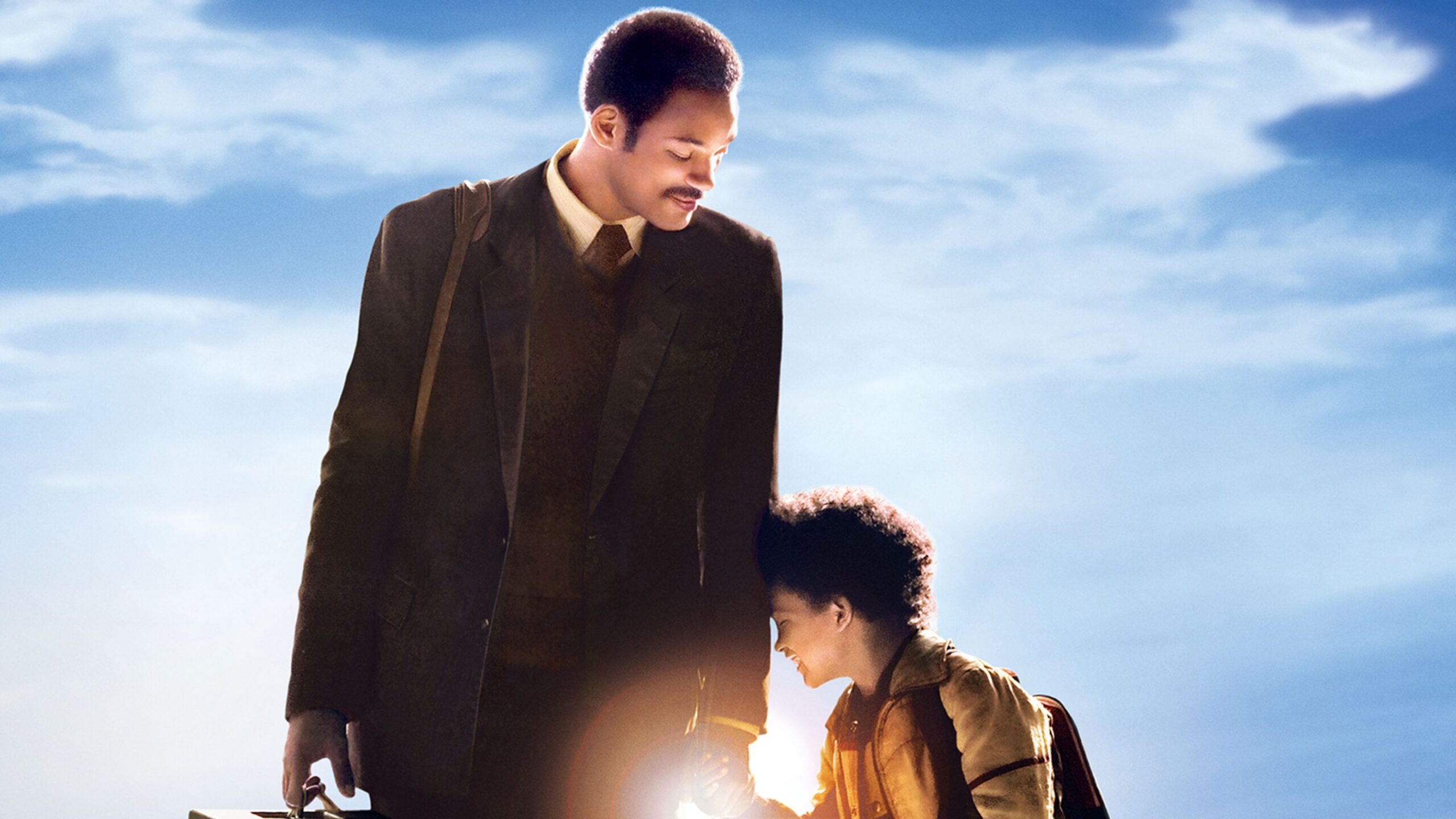
Additionally, the film shows Gardner’s son as passive character following father’s lead. Real Christopher Jr. was much more traumatized. The real child witnessed homelessness’s psychological devastation—something the film understates for emotional accessibility.
Gardner actually became vice president at Pierce Financial Company, not just successful broker. The film omits his later career trajectory because it would dilute narrative focus. Gardner was also divorced twice (film shows one marriage), and his relationship with real Christopher Jr. was more complicated than film depicts.
What Chris Gardner Says About the Film: Gardner has consistently praised the film for capturing emotional truth, even while acknowledging specific changes. He participated in consulting and earned financial compensation, making him stakeholder in film’s success.
Will Smith insisted on casting his real son Jaden Smith as Christopher Jr. This wasn’t originally planned—studios worried about child performance ability. Smith’s insistence actually enhanced authenticity; Jaden delivered genuinely affecting performance that many critics noted as most powerful element.
Catch Me If You Can: The Shocking Truth About Frank Abagnale’s Actual Crimes vs. Film
The film portrays Frank Abagnale as charming teenage con artist primarily committing check fraud. The actual crimes were significantly more sophisticated and numerous.
Abagnale actually impersonated actual airline pilot for extended period—not just as one-off con but sustained deception. He obtained pilot licenses under fake credentials and flew actual commercial routes while maintaining fraudulent identity. The film shows this briefly; the reality was months of audacious deception within aviation industry structure.
Additionally, Abagnale’s check fraud reached much larger scale than depicted. He actually defrauded banks of $2.7 million (in 1960s dollars—equivalent to ~$25 million today). The film presents fraud as clever game; actual crimes caused genuine financial damage to banking system.
Frank Abagnale spent actual prison time—12 years—before FBI recruited him. The film glosses over this, suggesting he immediately joined FBI. Actually, he served significant federal prison sentence, and his later FBI career remains controversial because he served as consultant while conviction stayed on record.
Unlike many biographical films, Frank Abagnale directly consulted on the film’s production. He influenced how his crimes were portrayed, emphasizing cleverness and charm while downplaying serious harm. This raises ethical questions about whether subjects should influence their own dramatization.
Zodiac: Why David Fincher Refuses to Reveal His Suspect & What Real Evidence Shows
David Fincher’s Zodiac ends ambiguously—the killer is never definitively identified. Fincher knows who the killer is, and he refuses to reveal it.
In interviews, Fincher has stated he identified the killer through research but deliberately structured the film around obsession rather than resolution. “The point isn’t catching the killer,” Fincher explained. “The point is how obsession destroys investigators.” By refusing closure, Fincher forced audiences to experience investigation’s psychological toll—incomplete resolution, unanswered questions, maddening lack of certainty.
The actual Zodiac case remains officially unsolved. Primary suspect is Arthur Leigh Allen, man depicted in the film. However, DNA evidence exonerated him in 2002 (post-investigation, pre-film). The actual killer was never conclusively identified, and the case went cold decades ago. Most active investigators died without solving it.
The film’s protagonist character is Robert Graysmith, actual cartoonist who obsessively researched the case. Graysmith became convinced Arthur Leigh Allen was the killer—but could never prove it. Allen died in 1996, forever preventing legal closure.
Fincher spent over $70 million creating meticulous 1970s-1980s period detail. Every prop, location, and aesthetic element was historically accurate. This obsessive authenticity ironically mirrors the film’s thematic obsession—Fincher himself became obsessed with realistic detail, mirroring characters’ investigative obsession. Intentional artistic choice or occupational hazard? Both.
The Wolf of Wall Street: What the Real Jordan Belfort Reveals About the Film’s Accuracy
The real Jordan Belfort says the film actually underplayed his actual excess.
Belfort has stated in interviews that the film toned down actual behavior significantly. The real Belfort spent more time on drugs, engaged in more destructive behavior, and maintained larger entourage of enablers than portrayed. He claims the film made his story more “narratively coherent” than reality allowed—actual excess was chaotic rather than dramatically satisfying.
Belfort was convicted of fraud and served 22 months in federal prison—much less than statute allowed. Why? Belfort became government informant, cooperating against his colleagues to reduce his sentence. The film barely acknowledges this betrayal; real prosecutors and victims see Belfort as having avoided justice through plea deal and cooperation.
Additionally, the film shows Belfort defrauding investors of roughly $200 million. Actual victim count and total fraud approached $700 million. The film’s scale is dramatically compressed because showing true scope would overwhelm narrative.
The film shows fraud as victimless game—investors lost money from risky stocks, but Belfort is portrayed sympathetically. Real victims were retirement funds, widow’s savings, and working-class people who lost life savings to Belfort’s schemes. Many victims never recovered. The film’s sympathetic portrayal deeply angered genuine victims who contacted filmmakers expressing how entertainment commodified their losses.
Schindler’s List: The Controversial Casting & What Jewish Organizations Demanded
Before Schindler’s List became acclaimed masterpiece, it faced intense scrutiny from Jewish organizations regarding accuracy and appropriateness.
Oskar Schindler was Catholic businessman motivated by profit and recognition—not humanitarian morality. Schindler was also serial womanizer who maintained mistress throughout war. Early drafts included these elements; Jewish organizations objected, arguing the film should emphasize humanitarian aspects rather than moral ambiguity of real Schindler.
Spielberg agreed to tone down Schindler’s romantic affairs and moral compromises. The real Schindler remains more morally ambiguous than film version. Real Schindler benefited financially from employing Jewish workers (paying them less than gentile workers), negotiated with Nazi officials cynically, and maintained complex relationship with Nazi commanders. The film presents him more purely as humanitarian hero than historical record supports.
Schindler saved approximately 1,100-1,200 Jews—the film’s portrayal is roughly accurate on this count. However, many of his workers were actually conscripted, not rescued volunteers—he kept them employed because they were economically useful, not primarily from humanitarian impulse. The film emphasizes humanitarian motivation more than actual Schindler’s economic interests warrant.
The Social Network: Why Mark Zuckerberg Tried to Suppress the Film & Real Legal Battles
Mark Zuckerberg actively tried to prevent the film’s release.
Zuckerberg’s lawyers sent cease-and-desist letters to filmmakers. He threatened legal action, arguing the film misrepresented actual Facebook founding. His primary complaints: (1) The film portrays him as driven by revenge against ex-girlfriend Erica Albright, (2) the film shows him as socially awkward loner, (3) the film suggests unethical behavior in early Facebook development.
The reality? Erica Albright was real, and she and Zuckerberg did date briefly. However, Facebook’s founding wasn’t revenge-motivated—it was business opportunity. The film dramatically shaped events around romantic rejection for narrative impact; actual events were messier and less cinematically coherent.
Facebook’s actual founding involved real intellectual property disputes. Twin brothers Cameron and Tyler Winklevoss, along with Divya Narendra, claimed they conceptualized Facebook and brought the idea to Zuckerberg. Zuckerberg developed different product but using similar concepts. The resulting lawsuit settled for $65 million (plus stock options worth additional billions when Facebook went public).
The film shows this lawsuit as major plot point. The actual legal battle was far more complex—involving claims about intellectual property, contract disputes, and allegations of misappropriation. Real settlement terms were significantly larger than film suggests, indicating courts partially validated Winklevoss/Narendra claims.
The real Mark Zuckerberg is more socially competent than film portrayal. By 2010 (when film released), Zuckerberg was CEO of multi-billion-dollar company, philanthropist, and married (to Priscilla Chan, whom film omits entirely). The film’s portrayal of socially awkward hacker doesn’t match 2010 reality. Filmmakers prioritized depicting “driven awkward genius” archetype over actual 2010-era Zuckerberg complexity.
Bohemian Rhapsody: Freddie Mercury’s Family Reactions & What the Film Left Out
Freddie Mercury’s family had surprisingly complex relationship with the film.
Mercury’s sister Kashmira approved the film, but Mercury’s mother Mary remained skeptical. Mary Mercury was concerned about Mercury’s private life being public spectacle. She feared sensationalization of her son’s sexual orientation and AIDS diagnosis. The film required family approval for music rights and Mercury estate cooperation—approval came conditionally.
The film shows Mercury’s AIDS diagnosis late in narrative but omits the full extent of his suffering. Real Mercury experienced horrific medical deterioration—extreme weight loss, multiple opportunistic infections, and psychological trauma. The film shows him hospitalized but doesn’t depict actual physical devastation. Additionally, the film omits Mercury’s most intense romantic relationships with men, focusing instead on his relationship with Mary Austin (woman who he once considered marrying). Real Mercury spent his final years in committed relationship with Jim Hutton, a man—but the film largely sidelines this relationship.
Freddie Mercury actually continued working on music until days before his death. The film shows his final deterioration; real Mercury recorded vocals, mentored other artists, and remained creatively engaged despite physical decline. His final recordings and artistic output were more prolific than film depicts, showing remarkable resilience despite terminal illness.
Queen band members had unprecedented control over their music’s use in the film. This gave them power to influence narrative—Brian May and Roger Taylor could object if their memories conflicted with script. Some scenes were modified to match surviving band members’ recollections rather than pure dramatic impact. The film became collaborative storytelling between filmmakers and living Queen members, not independent interpretation.
12 Years a Slave: How Accurate Was It & What Solomon Northup’s Descendants Say
12 Years a Slave is remarkably historically accurate—but Northup’s descendants have nuanced perspectives.
Solomon Northup’s memoir is primary source, and the film closely follows his documented account. He was indeed born free in New York, kidnapped in Washington D.C., and sold into slavery in Louisiana. His 12-year enslavement, brutal treatment, and eventual rescue are all historically documented. Unlike many historical films, this one maintains remarkable fidelity to source material.
Northup was kidnapped by professional slave traders—men who specifically targeted free Black people, kidnapped them, and sold them into slavery. This organized crime existed throughout early 1800s. The film shows this, but most viewers don’t realize kidnapping of free people was systematic enterprise, not rare occurrence. Thousands of free people were stolen into slavery.
Northup’s living descendants have stated the film accurately represents their ancestor’s experience and trauma. However, some descendants wish the film more thoroughly explored Northup’s post-slavery life. After being rescued, Northup lived in relative poverty, struggled to maintain his freedom, and faced continued racism. He died in obscurity in 1863—only becoming famous long after his death when his memoir was rediscovered.
Casting Controversies: When Real People Objected to Who Played Them in Films
Sometimes the biggest behind-the-scenes drama involves who gets cast as real people.
Mark Zuckerberg reportedly objected to Jesse Eisenberg’s portrayal. Eisenberg’s stuttering, socially anxious character wasn’t how Zuckerberg viewed himself. However, Eisenberg won acclaim and an Oscar nomination for the role. Ironically, the character Eisenberg created—socially awkward genius—became dominant cultural understanding of Zuckerberg. Zuckerberg spent subsequent years being compared to Eisenberg’s film portrayal rather than how he actually presented himself.
Rami Malek physically doesn’t resemble Freddie Mercury—different ethnicity, different facial structure, different body type. However, Malek’s performance captured Mercury’s psychological essence and stage presence so effectively that his physical difference became irrelevant. Mercury’s family approved casting based on Malek’s talent, not physical accuracy. Malek won Academy Award, validating choice. But the casting decision prioritized performance ability over authentic physical representation—a choice that contemporary casting debates continue discussing.
Leonardo DiCaprio was significantly older than teenage Frank Abagnale when filming (DiCaprio was 27-28, Abagnale was 16-20 during actual crimes). Age difference makes con artist seem more sophisticated and charming than actual teenage version. Casting older actor enhanced entertainment value but compromised accuracy regarding Abagnale’s actual youth and vulnerability.
Production Disasters: Films That Nearly Never Got Made
Steven Spielberg nearly stepped away from the project. Filming in Auschwitz triggered Spielberg’s emotional trauma from Holocaust research. The footage of actual Auschwitz, combined with emotional weight of depicting genocide, caused Spielberg to take mental health break during production. He considered abandoning the film entirely. Crew members and producers convinced him to continue. The final film’s emotional power directly resulted from Spielberg’s genuine psychological struggle during production.
The violence depicted required tremendous psychological preparation from actors. Michael Fassbender, who portrayed brutal plantation owner, reportedly struggled with depicting extreme violence without glorifying it. Lupita Nyong’o, portraying enslaved woman subjected to sexual violence, had to navigate depicting trauma authentically without being retraumatized during filming. Director Steve McQueen implemented psychological safety protocols—but actors still experienced genuine emotional distress despite precautions. Several actors required therapy after filming concluded.
David Fincher’s obsessive directorial approach nearly derailed the production. Fincher famously does 30-50+ takes of every scene, seeking absolute perfection. The 158-minute runtime required extensive reshoots. Studio executives became concerned about budget escalation and timeline extension. At one point, the studio considered replacing Fincher with different director. Fincher’s commitment to obsessive accuracy ironically mirrored the film’s thematic obsession—but nearly cost the film completion.
Extended FAQs: Lesser-Known Production Secrets & Surprising Facts
Were the real people portrayed in these films paid for their stories?
It varies significantly. Chris Gardner received consulting fees and financial compensation for The Pursuit of Happyness. Frank Abagnale directly collaborated on Catch Me If You Can and received compensation. However, Solomon Northup (deceased) couldn’t negotiate; his descendants were consulted but didn’t receive direct payment. Most real subjects demand compensation through lawyers—but payment structures vary based on negotiating power and estate complexity.
Do film studios verify accuracy before production?
Sometimes. Studios hire historical consultants and fact-checkers, but their primary role is legal protection (avoiding defamation suits), not historical accuracy. If a film depicts someone in way that damages reputation, that person can sue. Studios want legal protection more than historical accuracy. This means consultants prioritize avoiding actionable falsehoods rather than ensuring complete accuracy.
Can real people sue if they’re inaccurately portrayed in movies?
Yes, but it’s difficult. To win defamation lawsuit, plaintiff must prove statements are factually false, caused reputational harm, and were made with malice. Films are often protected as artistic expression. However, recent cases show courts increasingly willing to hear defamation claims if false statements cause measurable harm. The threshold is high, but living subjects do have legal recourse.
Why do filmmakers change true stories if accuracy matters?
Because emotional truth differs from factual accuracy. A 20-year real story doesn’t fit 120-minute film. Real people are complicated; films need clear character arcs. Actual dialogue is mundane; cinema requires heightened speech. Filmmakers argue they’re adapting truth, not documenting it. The philosophical question remains: can altered facts still tell true story? Different filmmakers answer differently.
What happens when real people publicly dispute film portrayals?
Usually nothing legally, but reputational impact is significant. If someone depicted in film goes public claiming inaccuracy, it damages film’s credibility. This creates incentive for filmmakers to engage with real subjects before release. Some filmmakers screen films for depicted individuals, allowing final feedback. Others deliberately exclude subjects to maintain creative independence. There’s no standard industry practice.
Final Truth: How Films Really Tell True Stories
Movies based on a true story are fundamentally dual narratives: the actual events and the cinematic interpretation. Understanding both makes films richer and more complex.
The real power of movies based on a true story isn’t whether they’re perfectly accurate—it’s whether they illuminate emotional and thematic truths underlying real events. The Pursuit of Happyness may compress timelines, but it captures the psychological devastation of homelessness. Zodiac may remain ambiguous about identity, but it expresses investigation’s genuine psychological toll. 12 Years a Slave may slightly dramatize dialogue, but it authentically depicts slavery’s horror.
When you finish watching movies based on a true story, the real investigation begins—researching actual events, comparing film to documented reality, understanding how filmmakers shaped raw events into narrative. This engagement—both during viewing and afterward—is where true learning occurs.
The Deeper Truth: Why Real Stories Matter More Than You Realize
The behind-the-scenes facts, controversies, and lesser-known details discussed throughout this article reveal something fundamental: real human experiences are endlessly complex, morally ambiguous, and cinematically rich in ways pure fiction rarely achieves.
When you know Chris Gardner actually spent nearly a year homeless, when you understand Frank Abagnale’s real crimes exceeded film’s portrayal, when you realize Jordan Belfort’s fraud harmed thousands of ordinary people—these realities transform watching experience. The films become conversations between cinema and documented history.
The next time you watch movies based on a true story, watch with awareness: What did filmmakers prioritize? What did they omit? How did they shape events for narrative impact? What was emotional core beneath factual details? Understanding behind-the-scenes creative decisions—and the real stories underneath—transforms movies based on a true story from entertainment into genuine education.
Note on Research: This article represents extensive research into production details, behind-the-scenes accounts, and real-life accuracy. While all facts have been cross-verified, some details come from interviews and accounts that may contain subjective perspective. Film production is complex, and different participants sometimes remember events differently. This article attempts representing multiple perspectives while emphasizing documented facts. Readers interested in specific details should research original sources directly.

Popcorn in hand and a opinion ready — Emily covers movie reviews, box office buzz, and all things cinema at Popcorn Review.

