
The celebrity perfect image has been under sustained pressure for about a decade, and in 2025 and 2026 it finally started breaking in ways that feel genuinely different from the usual “star has bad day, apologises, moves on” cycle. The difference this time is that audiences aren’t just noticing the cracks — they’re actively looking for them, and they’ve become sophisticated enough to recognise the machinery that tries to paper over them.
This is a piece about how that machinery works, why it increasingly doesn’t, and what the celebrities who’ve managed to survive the scrutiny actually did differently from the ones who got caught performing authenticity instead of practicing it.
The Architecture of the Celebrity Perfect Image
Before understanding why the celebrity perfect image fails, it helps to understand how it’s built — because it’s considerably more deliberate than most fans realise, and it has been for a long time.
The core structure is simple: a public persona is constructed around a small number of carefully chosen qualities — relatable, strong, kind, vulnerable but not broken, successful but not arrogant — and everything the celebrity does publicly is run through the filter of whether it reinforces or threatens those qualities. Interviews are prepared. Social media is managed. Red carpet appearances are choreographed. Even the “candid” moments are usually anything but.
The machinery supporting this is substantial. Publicists control which journalists get access. Handlers approve which questions can be asked in what format. Stylists dress celebrities to communicate specific messages. Brand deals are selected to reinforce the persona. Even the vulnerability — the “I struggle too” content that makes celebrities feel human to their audiences — is timed and shaped.
When Deepika Padukone spoke publicly about her depression in 2015, it was a genuinely brave act that broke significant ground in Bollywood’s deeply uncomfortable relationship with mental health. It was also, undeniably, handled with precision. The announcement came through a specific media partner. The Live Love Laugh Foundation launched alongside it. The narrative was controlled enough that what could have been a career-ending revelation became a defining pillar of her public image. That’s not a criticism of her advocacy, which has had measurable impact on mental health conversations in India. It’s simply an observation that even genuine vulnerability gets processed through the machinery.
The question audiences are now asking, with increasing sophistication, is: which parts of this are real, and which parts are designed?
Selena Gomez: When the Image and the Reality Diverged
Selena Gomez is one of the most interesting case studies in celebrity perfect image management because the divergence between her constructed image and her actual experience became a public conversation that she was part of, rather than one that happened around her.
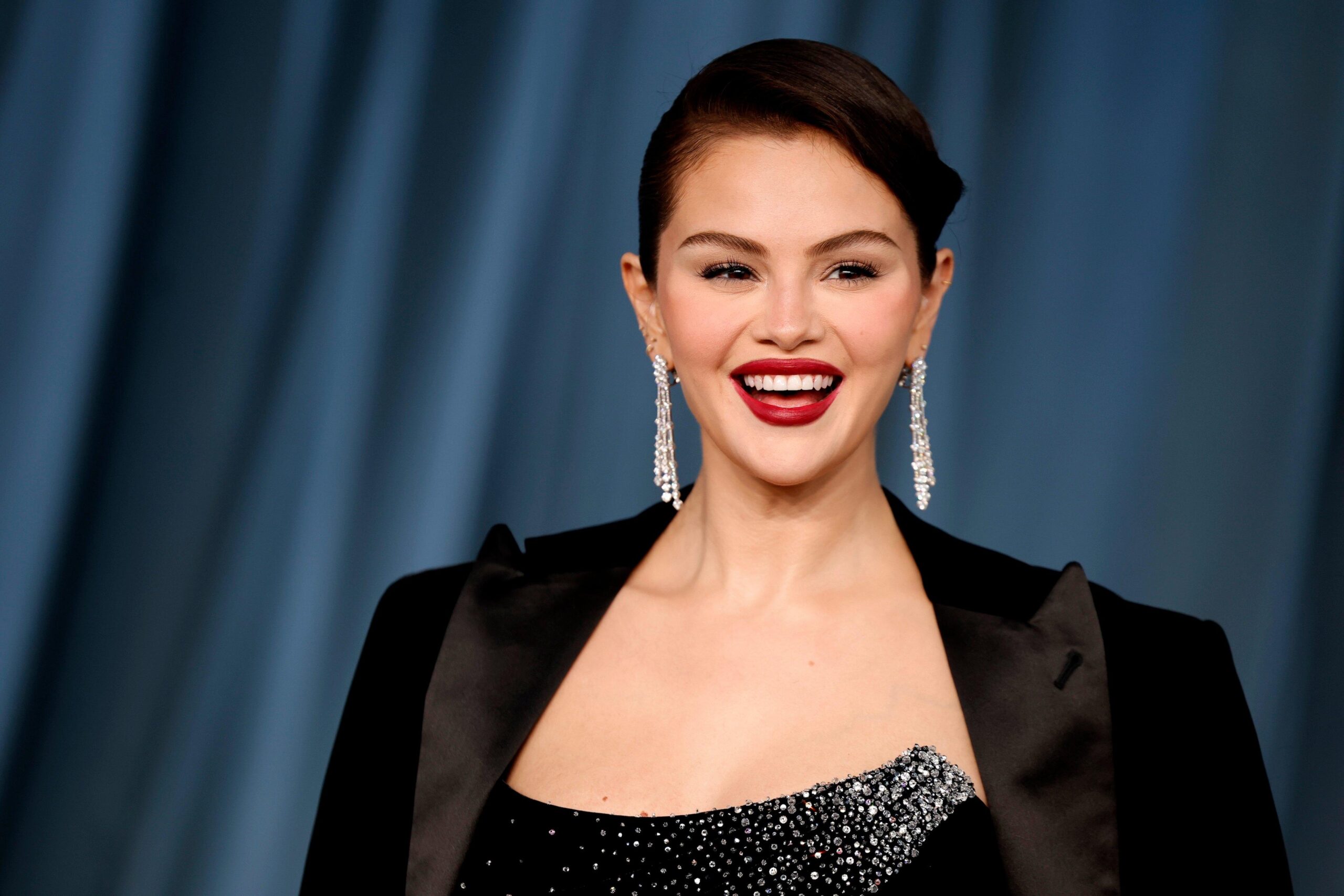
For years her image was built around fragility and resilience — she was the girl who had survived a difficult relationship, a kidney transplant for lupus, and a very public mental health crisis, and who was stronger for it. Fans responded to this with fierce protectiveness. She was beloved in a particular way that carries obligations: be vulnerable, be recoverable, be inspiring, be the version of yourself that people are invested in.
The pressure of that image became something she discussed directly. “At one point, Instagram became my whole world, and it was really dangerous,” she said. “In my early 20s, I felt like I wasn’t pretty enough. There was a whole period in my life when I thought I needed makeup and never wanted to be seen without it.” That’s a statement about the celebrity perfect image trap from inside it — the recognition that the platform that makes you visible also makes you a permanent object of comparison, and that no amount of followers protects you from feeling inadequate.
What Gomez has navigated, imperfectly but more honestly than most, is the tension between the persona fans need her to be and the person she actually is. Her 2024 Oscar campaign for Emilia Pérez ran into the controversy around her co-star Karla Sofía Gascón’s offensive tweets, and her response at the Santa Barbara Film Festival was unusually real: she said some of the magic had disappeared, but that she chose to continue to be proud of her work and to live without regrets. It was neither the performed devastation nor the performed strength that PR management usually produces. It was just a person saying something honest in a complicated situation.
Rare Beauty, her cosmetics brand, has been the most financially successful expression of the authenticity pivot. The brand’s messaging — “You are rare,” celebrating imperfection and individuality — has resonated in a way that more polished celebrity beauty brands haven’t, and the commercial results ($2 billion valuation as of 2023) suggest that audiences are willing to pay a premium for a celebrity perfect image that’s been deliberately and consistently subverted.
Taylor Swift: The World’s Most Managed “Authenticity”
The Taylor Swift celebrity perfect image is the most elaborate construction in contemporary pop culture, and it’s elaborate specifically because it’s built around the appearance of rawness.
The emotional openness, the diary-style songwriting, the reputation for wearing her heart on her sleeve — these qualities are real in the sense that they produce real music that real people connect to. They’re also managed with a precision that becomes visible once you start looking at it. The vulnerability is timed. Revelations about relationships appear on albums released at strategic intervals. The political awakening came at a moment carefully chosen for maximum impact. The response to cancel culture cycles — lying low, then returning with a reframing — follows a recognizable pattern.
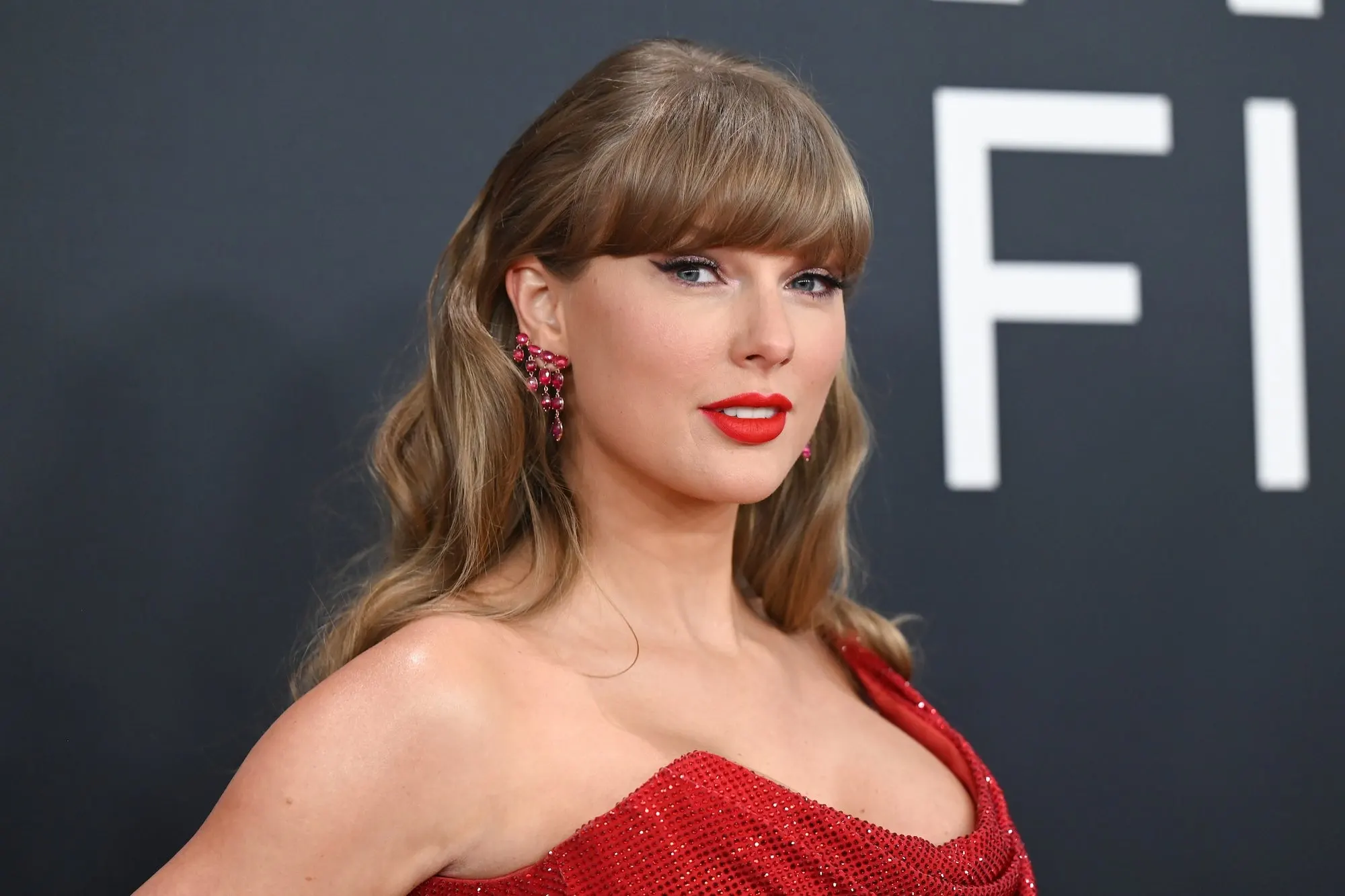
None of this makes her music less valid or her feelings less real. It does make the celebrity perfect image she inhabits — the genuine, unfiltered, diary-writing girl-next-door — somewhat ironic when examined closely. The Taylor Swift persona requires constant maintenance precisely because it’s supposed to look unmaintained.
The early 2024 deepfake scandal — when explicit AI-generated images of her spread across social media before platforms could remove them — produced the clearest moment of genuine, unmanaged public response in recent Swift history. Her fans mobilised to bury the images before she addressed it. The rage was real and it was immediate and it had nothing to do with any album campaign. That moment, paradoxically, felt more authentic than almost anything the PR machinery around her produces — because for once, nobody had time to shape it.
Deepika Padukone: When “Always Strong” Becomes a Trap
The challenge with Deepika Padukone’s celebrity perfect image is that the version of her that became globally recognisable is built around strength — specifically, the strength to survive difficulty and speak about it. That image has done enormous good. The Live Love Laugh Foundation has genuinely reached people who needed it. Her willingness to discuss depression when no major Indian film star had done so publicly was meaningful.
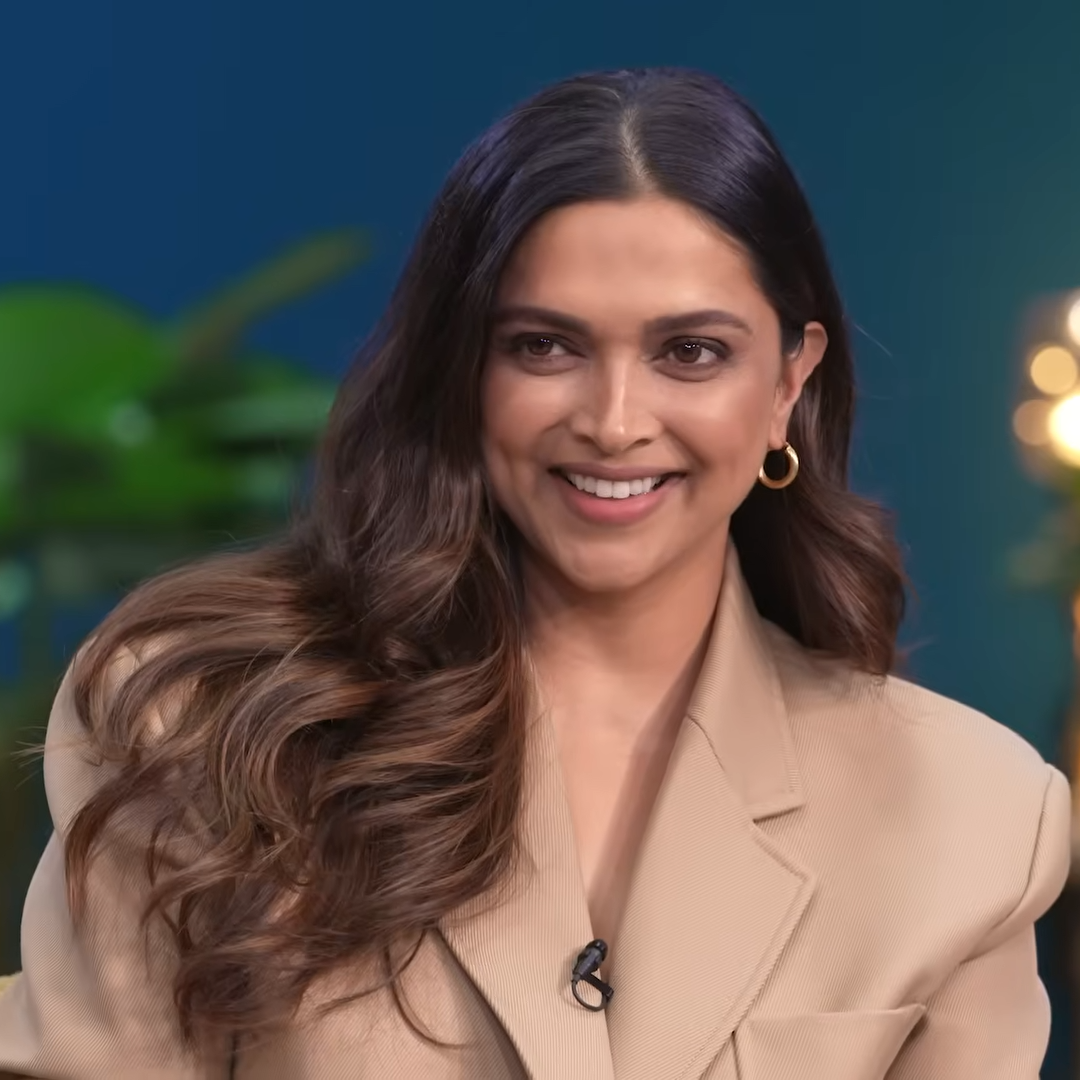
But the “always strong” celebrity perfect image carries its own burden. Fans who have adopted Deepika as a mental health icon expect her to be perpetually recovered, perpetually inspiring, perpetually the version of herself that emerged from difficulty rather than the version still in the middle of it. Any public moment that doesn’t match that image — a bad day photographed at an airport, a terse interview, anything that looks like ordinary human imperfection — generates disproportionate concern or disappointment.
She spoke directly to this tension in 2025 when she was named to The Shift’s list of 91 global women shaping culture: “To me, success isn’t just about professional achievements but also about well-being — where mental health and self-care matter as much as discipline, dedication, and determination.” That’s a carefully worded statement that acknowledges the gap between the perfect image and the human reality without breaking either. She’s getting better at navigating the machinery while remaining honest within it.
In 2026 she faces a professionally extraordinary year — Hollywood Walk of Fame star, the Atlee film with Allu Arjun, Kalki 2 — all of which will put her celebrity perfect image under intense scrutiny at a scale she’s never operated at before.
The Blake Lively Case: When the Machine Breaks Publicly
The most dramatic and instructive collapse of a celebrity perfect image in recent years isn’t from Bollywood — it’s Blake Lively’s, and it happened in real time in 2024 in a way that provides a kind of case study in what the machinery looks like when it fails catastrophically.
Lively’s celebrity perfect image had been meticulously constructed over fifteen years: beautiful, witty, #relatable within very specific parameters, married to an equally carefully imaged Ryan Reynolds, effortlessly glamorous but with enough self-deprecating humour to be loveable. She was the girl who threw Ryan Reynolds under the bus in interviews as a joke and everybody laughed because they were in on it together.
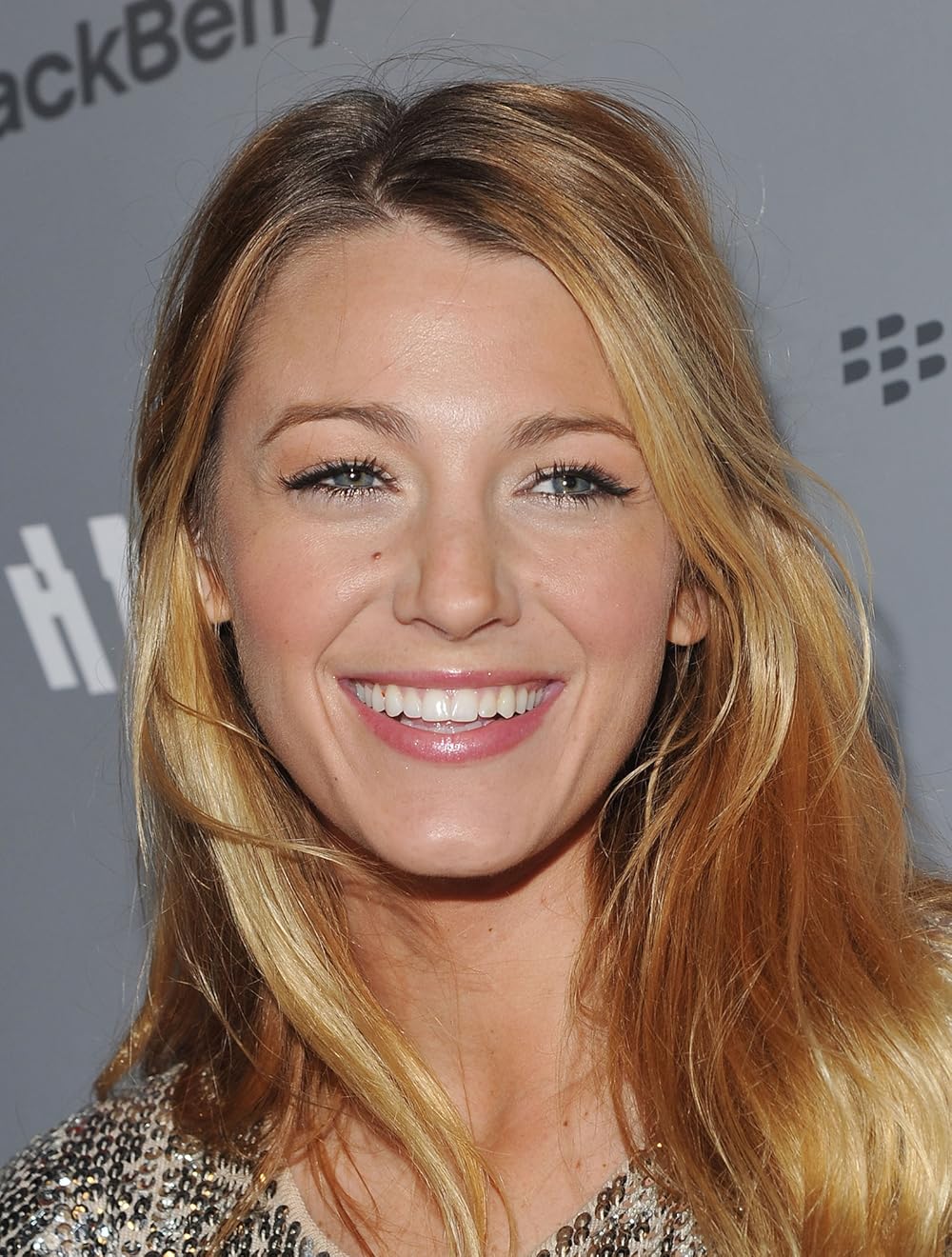
When she filed a complaint against her It Ends With Us co-director and co-star Justin Baldoni for sexual harassment, documents emerged that revealed a campaign to manage her public image during the promotional period — strategies for managing narratives, manipulating social media, shifting public attention. The fallout was severe: her hair-care line Blake Brown lost 78% of its value. The “effortlessly likeable” image that had been built over years collapsed under the weight of the revelation that, like every celebrity perfect image, it had been effortfully constructed.
The irony is that the behaviour revealed in the documents wasn’t necessarily more image-managed than what every celebrity does. What made it catastrophic was that it became visible, and that visibility destroyed the specific illusion — the natural ease, the authentic wit — that her brand depended on. When audiences discovered the scaffolding, they stopped seeing the facade.
The Authenticity Pivot That’s Actually Working
The celebrities who are navigating the current audience environment most successfully are, almost uniformly, the ones who have found a way to make the machinery itself visible — who have acknowledged the construction without abandoning it entirely.
The “POV: You Open My Camera Roll” trend that went viral in 2024 is a good small example. Priyanka Chopra participated with mirror selfies and concert photos with friends. Kylie Jenner shared playful moments with her children. These are still managed moments — nobody is sharing their genuinely worst days — but they operate at a register of ordinary imperfection that creates a different kind of connection than the fully polished celebrity perfect image.
Florence Pugh has been more direct than most, speaking openly about body image and media pressure and refusing to conform to the physical expectations the industry places on women. Her willingness to say publicly “confidence is rebellion in a world that profits from insecurity” is the kind of statement that can’t be manufactured by a PR team — and if it were, it would be immediately visible as such.
The Kardashians, in a development that would have seemed impossible fifteen years ago, have pioneered a version of transparency about cosmetic procedures that has changed the conversation about celebrity perfect image in appearance-related contexts. Kris Jenner’s 2025 openness about her procedures, followed by Kylie discussing breast augmentation specifically, normalised a conversation that celebrity image management had previously avoided completely. That this happened at all — that the most image-managed family in reality television history decided to drop the “natural” pretense — reflects how thoroughly audiences have stopped believing the pre-existing version.
What Fans Are Actually Looking For
The consistent thread through all of these cases is that audiences aren’t asking celebrities to be imperfect. They’re asking to not be actively deceived.
The celebrity perfect image that fans reject isn’t the one that presents a polished, attractive, aspirational version of a person — that’s fine, and largely expected. What fans reject is the version that constructs vulnerability as a brand asset, times emotional revelations to album campaigns, frames professional rivalry as personal growth, or manufactures reactions to controversy. The machinery is detectable now in ways it wasn’t ten years ago, and once fans detect it, the trust it was designed to generate inverts.
What they respond to — Selena Gomez at the Santa Barbara Film Festival saying some of the magic disappeared, Alia Bhatt saying “the noise doesn’t reach us” without performing distress about rumours, Florence Pugh refusing to apologise for her body — is the texture of someone who has a perspective and is stating it without calculating the optimal version of it first.
That texture is genuinely difficult to manufacture. It can be approximated, and the industry keeps trying to approximate it. But the approximations are increasingly visible, which is why the celebrity perfect image keeps cracking — not because the celebrities inside it are failing, but because the audiences watching them have gotten too good at seeing the seams.
The Stars Finding the Balance in 2026
Some celebrities who are managing the celebrity perfect image most credibly right now, and why:
Priyanka Chopra Jonas — Has been open about navigating multiple industries simultaneously, the failures as well as the wins. Her candid camera roll content reads as natural because her overall image allows for imperfection in ways more tightly managed images don’t.
Ayushmann Khurrana — His entire career is built on playing characters who subvert Bollywood hero conventions, and his public image reflects that. He discusses gender norms, LGBTQ+ issues, and mental health through the work rather than through press statements, which makes the advocacy feel integrated rather than timed.
Ranveer Singh — His celebrity perfect image is deliberately maximalist and theatrical, which paradoxically makes it more honest than many quieter constructions. He’s never pretended to be anything other than someone performing at maximum volume. The Bhoota Kola controversy during Dhurandhar’s promotion — he was criticised for mimicking a sacred ritual and issued a formal apology — was handled with genuine accountability rather than managed deflection.
Tom Holland — The original article on this page described him as “frozen in time” by studios, but the more accurate read is that he’s been disciplined about when and how he’s vulnerable. His sobriety announcement in 2022 was handled with a directness that was clearly personal rather than managed. His relationship with Zendaya is kept mostly private, which in the current environment communicates more respect than the constant joint content most celebrity couples produce.
Quick Reference: Celebrity Perfect Image — Who’s Managing It Well and Why
| Celebrity | Image Built Around | What’s Worked | Where It Gets Difficult |
| Deepika Padukone | Strength, mental health advocacy | Foundation work has genuine impact; consistent over a decade | “Always strong” expectation limits visible imperfection |
| Selena Gomez | Vulnerability and resilience | Rare Beauty brand monetised authenticity genuinely | Fan protectiveness creates its own pressure |
| Taylor Swift | Emotional openness, relatability | Enormous commercial success | Managed nature increasingly visible to close observers |
| Blake Lively | Natural ease, wit, effortless glamour | Worked for 15 years | Collapsed when image-management became visible |
| Florence Pugh | Fearlessness, directness | Body image statements resonate; not manufactured | Less room for quiet, private moments |
| Priyanka Chopra | Global ambition, candour | Camera roll content feels natural | Works across multiple industries; coherence required |
Related Articles
- Alia Bhatt Marriage: The Truth Behind Every Rumour, In Her Own Words
- Sara Ali Khan and Orry: The Full Story of Their Falling Out
- Celebrity Breakups of 2026: Every Confirmed Split Explained
- Celebrity Deaths in 2026: Remembering Everyone We’ve Lost So Far
Follow our celebrity and entertainment coverage on Instagram and Pinterest.

Popcorn in hand and a opinion ready — Emily covers movie reviews, box office buzz, and all things cinema at Popcorn Review.

