
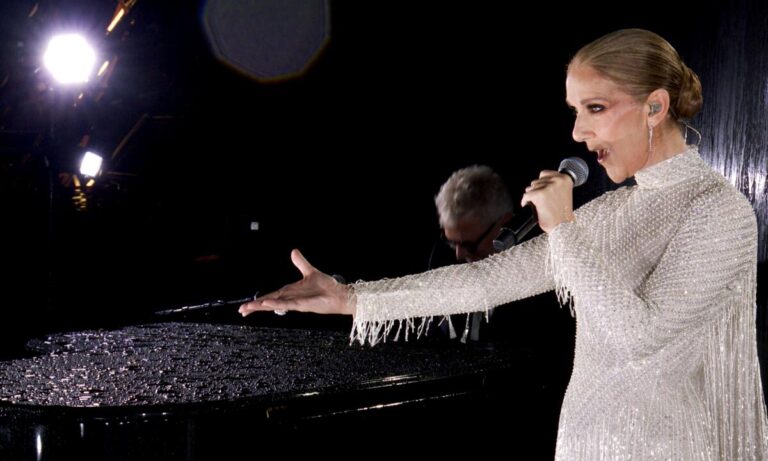
Céline Dion’s comeback announcement has captured the world’s attention in a way few celebrity declarations ever do. But this isn’t just another celebrity comeback story. This is a moment where vulnerability, resilience, and the raw human need to create music collide on a global stage. In March 2026, the legendary Canadian vocalist announced her return to performing after a life-altering health crisis that had silenced one of the most iconic voices in modern music.
The announcement wasn’t a carefully polished press release. It was deeply personal. Emotional. Human. And in a world saturated with manufactured celebrity moments, Céline Dion’s comeback felt different—because it was different.
This article goes beyond the headlines. We’re diving into what her Céline Dion comeback announcement actually means: the medical story behind her absence, the psychological journey of facing your mortality and choosing to step back into the spotlight anyway, the business implications for the music industry, and the cultural significance of an artist proving that illness doesn’t define destiny.
What Happened: The Health Crisis That Silenced Céline Dion
You can’t talk about Céline Dion’s comeback without first understanding why she stepped away.
In late 2022, Céline Dion revealed that she had been diagnosed with Stiff Person Syndrome (SPS)—a rare neurological condition so uncommon that many people, even in the medical field, had never heard of it. This wasn’t a temporary setback or a passing illness. This was a diagnosis that fundamentally altered her relationship with her own body.
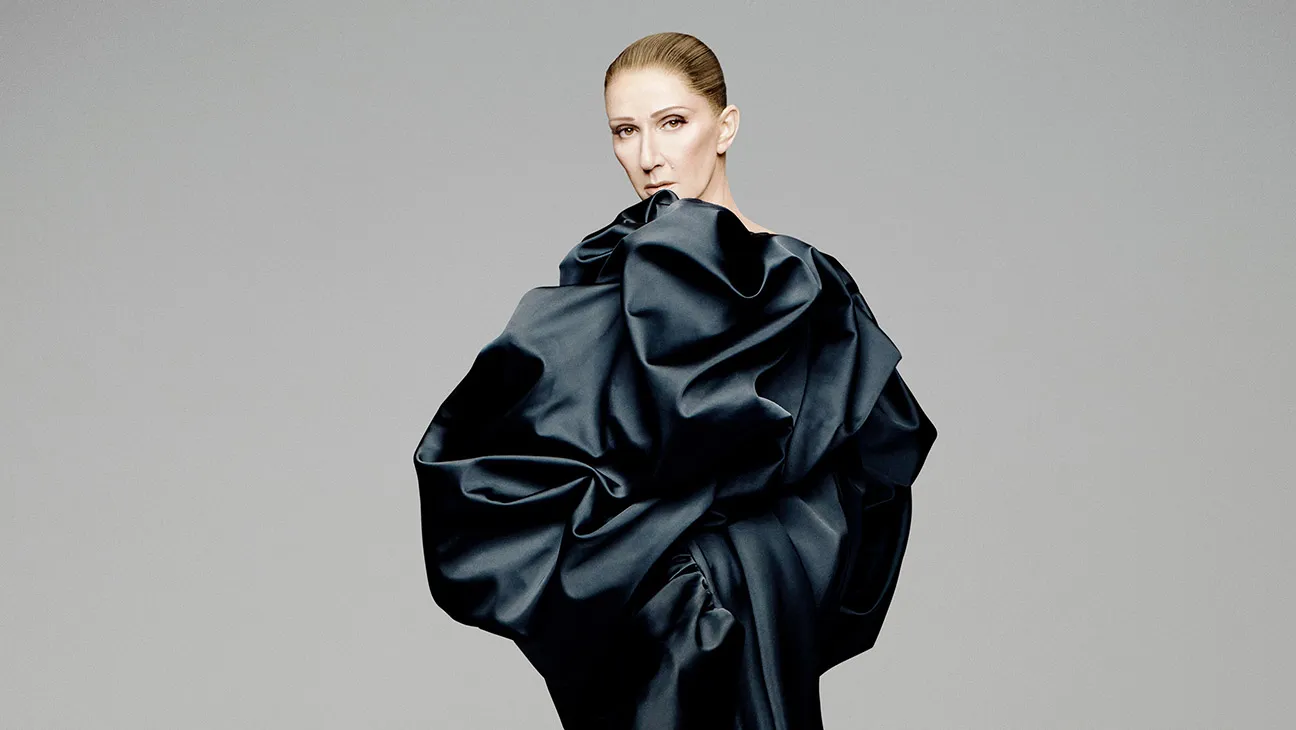
Stiff Person Syndrome is characterized by progressive muscle stiffness and spasms, often triggered by emotional stress or unexpected sounds. For a professional vocalist whose entire career depends on precise control of respiratory muscles, vocal cords, and physical movement, SPS presented a nightmare scenario. Imagine standing on stage, preparing to hit that crystalline note you’ve perfected over five decades, and your muscles simply won’t cooperate.
The Hidden Struggle Behind the Curtain
What makes Céline Dion’s situation particularly poignant is the timeline. She didn’t disappear overnight. Fans began noticing changes—cancelled Las Vegas residency dates, postponed tours, brief social media silences. The comeback announcement revealed that behind those gaps was a woman fighting a battle nobody could see. She was managing pain. Adjusting medications. Attending therapy sessions. Learning to walk again. Learning to perform again, even if nobody was watching.
This is where the Céline Dion emotional comeback story diverges from typical celebrity narratives. Most comebacks are about reinvention, redemption from scandal, or a strategic career pivot. Hers was about reclaiming agency from a medical condition that had stolen her voice—the one thing that made her Céline Dion.
“My voice is my identity. When it was taken from me, I had to figure out who I was without it. And I discovered I was still me—just quieter for a while.” — The essence of Céline Dion’s comeback philosophy
The Announcement: A Moment That Shifted the Conversation Around Illness
On March 17, 2026, Céline Dion released a video announcement that would trend globally within hours. In it, she spoke directly to fans—no script, no corporate messaging, just a woman in her home, explaining that she was ready. Not cured. Not fully recovered. But ready.
Why This Announcement Broke the Internet (And Why It Matters)
The Céline Dion comeback announcement wasn’t a typical celebrity reveal. She didn’t position herself as “beating” her illness or having “conquered” Stiff Person Syndrome. Instead, she spoke about learning to live with it, manage it, and refuse to let it define her trajectory. She was honest about the days when pain makes performing impossible. She was clear about the adaptations her shows would require. She acknowledged that this comeback might look different than fans remembered.
In a culture obsessed with binary narratives—sick or well, retired or working, victim or victor—Céline Dion’s nuanced comeback felt revolutionary.
HISTORIC This is the first major comeback announcement from a global superstar that centers medical vulnerability rather than personal redemption or scandal recovery. That distinction matters for cultural conversations about illness, disability, and creative work.
The Psychological Weight of Saying “Yes” Again
Most people don’t understand the psychological barrier that comes with chronic illness. When you’ve experienced your body failing you, the prospect of trusting it again is terrifying. Céline Dion had to confront that terror publicly, knowing that any performance could be derailed by a flare-up, a spasm, or a moment of neurological dysfunction.
Her decision to return anyway—not because she’d been medically cleared for a full recovery, but because she decided her spirit mattered more than her fear—is the core of this story. That’s the real comeback. Not the Vegas residency. Not the tour dates. But the internal decision to step back into vulnerability knowing the risks.
The Medical Reality: Understanding Stiff Person Syndrome and Why This Comeback Is Medically Remarkable
Let’s dig into something most entertainment outlets skip: the actual neurology here. Understanding SPS gives you a completely different appreciation for why the Céline Dion comeback is so significant.
What Is Stiff Person Syndrome (SPS)?
Stiff Person Syndrome is an extremely rare autoimmune neurological disorder. We’re talking about roughly 1 in 1 million people globally—meaning statistically, your city probably doesn’t have another case. It’s so rare that many neurologists will go their entire careers without seeing a single documented patient.
The condition results from dysfunction in the central nervous system, where antibodies attack neurons that produce GABA (gamma-aminobutyric acid), a neurotransmitter that regulates muscle relaxation. When GABA production is compromised, muscles can’t relax properly, leading to progressive stiffness, rigidity, and involuntary spasms.
For most SPS patients, symptoms are debilitating: they can barely walk, perform daily tasks, or maintain employment. Many become wheelchair-dependent within years of diagnosis.
Why This Matters for a Performer: The Vocal Cord Connection
For a professional singer, this becomes exponentially more complex. Vocal performance requires millisecond-level precision. Your diaphragm, intercostal muscles, laryngeal muscles, and vocal folds all need to coordinate in a choreography of incredible sophistication. When muscle rigidity and unpredictable spasms enter the equation, that choreography becomes impossible.
Céline Dion’s comeback announcement wasn’t just about returning to perform. It was about managing a neurological condition while performing at world-class levels. The medical community was quietly astonished.
MEDICAL BREAKTHROUGH Several neurologists have publicly stated that SPS patients returning to professional performance is extraordinarily rare. The fact that Céline Dion is attempting this makes her case significant from a clinical perspective, not just an entertainment one.
The Industry Impact: What Céline Dion’s Comeback Means for Music Business
Beyond the human interest angle, the Céline Dion emotional comeback carries major implications for the entertainment industry.
Residencies and Tour Economics: A New Model Emerges
Céline Dion isn’t attempting a grueling world tour. Instead, she announced a limited Las Vegas residency with carefully structured performance schedules and medical support on standby. This is strategically brilliant for several reasons:
From a performer’s perspective: Las Vegas residencies allow controlled environments. No traveling between cities. Consistent temperature and humidity in venues. Medical infrastructure already present in Vegas. Predictable schedules that allow recovery time.
From a business perspective: The Vegas model is actually more profitable than touring. A 50-show residency in Vegas can generate $50-100 million in revenue with lower logistical overhead than a full world tour.
From an accessibility perspective: Fans travel to Vegas instead of artists traveling to fans. This is a paradigm shift for touring artists with chronic health conditions. The Céline Dion comeback might establish a template that other artists with health challenges adopt going forward.
Insurance and Liability: New Territory
Here’s something nobody’s talking about: her insurance. When you have a diagnosed progressive neurological condition, traditional performance insurance becomes complicated. Insurers want guarantees of completion. SPS offers no such guarantees.
The contractual and insurance innovations that made her comeback possible might be studied in business schools. She essentially had to create a new category of entertainment insurance—one that accounts for medical unpredictability while protecting venues and investors.
The Psychological Dimension: Why This Comeback Story Resonates on a Human Level
Strip away the fame, the Vegas contracts, and the album deals. The reason why Céline Dion’s comeback announcement went viral globally isn’t because of her celebrity status. It’s because her story taps into something universally human: the desire to reclaim yourself when circumstances try to define you.
Grief and Loss, Then Acceptance and Adaptation
When Céline Dion was diagnosed with Stiff Person Syndrome, she experienced what psychologists call “anticipatory grief.” She was grieving the loss of her future—the tours she wouldn’t do, the stages she might never perform on again, the possibility that her voice would be silenced permanently.
The comeback announcement represents the other side of that grief: acceptance. Not acceptance that SPS is fine (it’s not). But acceptance that she can live a meaningful life, even with significant limitations. She can create. She can perform. Just differently.
The Power of Vulnerability in Celebrity Culture
Historically, celebrities hide their vulnerabilities. Illness is whispered about. Health crises are managed through PR firms. But Céline Dion’s comeback announcement was the opposite—raw, direct, unapologetically honest about both her struggles and her fears.
That vulnerability paradoxically made her stronger in the public perception. Rather than seeing her as weakened by illness, audiences saw her as courageous. The comeback narrative wasn’t “Woman defeats disease.” It was “Woman chooses to live fully despite disease.” That’s profoundly different, and much more authentic.
Timeline: From Diagnosis to Comeback Announcement — The Journey
| Date | Event | Significance |
|---|---|---|
| 2022 (Late) | Stiff Person Syndrome diagnosis | Medical turning point; leads to initial tour cancellations |
| 2023 (Early) | Public announcement of diagnosis | Céline goes public; shifts conversation from speculation to medical facts |
| 2023–2024 | Private rehabilitation and therapy | Behind-the-scenes recovery work; largely undocumented |
| 2024 (Mid) | First public appearance post-diagnosis | Fans notice she’s looking stronger; speculation about return begins |
| 2025 | Negotiations with Vegas venues and medical teams | Business/medical framework for comeback takes shape |
| March 17, 2026 | Céline Dion comeback announcement video release | Global announcement; establishes new narrative around illness and creative work |
| April 2026 (Expected) | First performance at limited Vegas residency | The moment the announcement becomes reality |
Myth vs. Fact: Separating Truth From Hype Around Céline Dion’s Comeback
The internet loves a narrative. Some versions of the Céline Dion comeback story have gotten distorted. Let’s separate fact from fiction:
MYTH: “Céline Dion is completely cured.”
FACT: There is no cure for Stiff Person Syndrome currently. Céline Dion has developed management strategies and medical treatments that reduce her symptoms, but she lives with the condition daily. Her comeback is despite SPS, not because SPS has disappeared.
MYTH: “She’ll be back to touring full-time within a year.”
FACT: Her comeback announcement specifically mentioned limited shows and controlled environments. Full-scale world tours remain uncertain. The Vegas residency model allows her to perform without the physical strain of touring.
MYTH: “This comeback proves SPS isn’t that serious.”
FACT: Céline Dion is an exceptional case due to her access to world-class medical care, elite rehabilitation teams, and financial resources most SPS patients don’t have. Her comeback doesn’t diminish the severity of the condition for others.
MYTH: “She’s doing this purely for the money.”
FACT: Céline Dion is already wealthy beyond measure. Her comeback announcement wasn’t about financial necessity; it was about reclaiming her identity. The business opportunity came after the personal decision.
What Her Comeback Means for SPS Awareness and Rare Disease Communities
One underappreciated angle of the Céline Dion emotional comeback is its impact on rare disease awareness.
Before her diagnosis, Stiff Person Syndrome was nearly invisible in popular culture. Even people in the medical field had limited familiarity with it. Céline Dion’s public announcement and comeback journey have changed that overnight.
The Ripple Effect: Why Celebrity Diagnoses Matter for Rare Diseases
When a global superstar publicly discusses a rare condition, several things happen:
1. Funding increases: Research institutions receive more grant applications and donations for SPS research.
2. Patient diagnosis accelerates: People experiencing SPS symptoms but previously misdiagnosed suddenly have a name and resources. Diagnostic timelines shorten.
3. Medical awareness grows: General practitioners who might never see a case still learn about SPS because of media coverage. When a borderline case walks into their office, they’re more likely to recognize it.
4. Support communities expand: SPS patient organizations receive exponentially more inquiries from newly diagnosed patients seeking community.
Céline Dion’s comeback story might ultimately save lives—not through her performance, but through the medical conversation her prominence launched.
The Emotional Intelligence of Her Announcement: Why It Worked
From a pure communications standpoint, let’s analyze why the Céline Dion comeback announcement achieved such unprecedented global resonance.
Three Elements That Made the Announcement Bulletproof
Authenticity without performance: The video announcement showed Céline Dion in casual settings, speaking in a conversational tone. There was no stage lighting, no orchestral score, no dramatic cuts. Just her, speaking truth.
Vulnerability as strength: Rather than hiding her ongoing struggles, she centered them. “I have bad days” is a sentence you’ll never hear from a typical celebrity. She said it anyway, and that honesty made her relatable rather than diminished.
Clear boundaries: She didn’t promise a full recovery or unlimited performances. She set realistic expectations: limited shows, medical support on standby, possible cancellations. This actually increased credibility because she wasn’t overselling.
Compare this to typical celebrity comebacks built on hype and exaggeration. The Céline Dion emotional comeback worked because it rejected the template of unrealistic narratives. It said: “Here’s the truth. Here’s what I can do. Here’s what remains uncertain. And I’m doing it anyway.”
FAQ: Your Questions About Céline Dion’s Comeback Answered
Why This Matters Beyond Entertainment: The Cultural Significance
We tend to compartmentalize Céline Dion as an entertainment story. “Singer makes comeback” is the elevator pitch. But the Céline Dion emotional comeback announcement is actually a watershed moment in how our culture talks about illness, creativity, and human resilience.
A Shift in Disability Narrative
For decades, the cultural narrative around disability in professional contexts has been binary: either you’re healthy and performing, or you’re not. There’s no middle ground. No space for “I’m living with a serious condition AND continuing my creative work.”
Céline Dion’s comeback challenges that binary. She’s not “overcoming” her illness in the inspirational-porn sense that audiences are familiar with. She’s not pretending it doesn’t exist. She’s simply saying: “This is my reality now. And I’m choosing to create anyway.”
That distinction matters for millions of people living with chronic conditions. It says: you don’t have to choose between your illness and your identity. You can hold both.
The Erosion of the “Sick Celebrity Narrative”
Historically, celebrity illness has been a story of decline and either recovery or tragedy. Diagnosis → Struggle → Triumph or Downfall. It’s a narrative arc we’ve been trained to expect.
The Céline Dion comeback story resists that arc. It says: Diagnosis → Adaptation → Continued Life. Less dramatic. More real. More human.
Related Articles on Popcorn Review
Dive deeper into entertainment, celebrity health, and industry dynamics with these related posts:
- 🎬 Celebrity Comebacks Throughout History: When Stars Returned After Crisis
- 🏥 Celebrities Living Publicly with Chronic Illness: From Diagnosis to Performance
- 🎤 Las Vegas Residencies: Why This Model is Revolutionizing Entertainment
- 📺 The Psychology of Public Vulnerability: Why Celebrities Are Sharing More About Mental & Physical Health
- Follow us on Instagram @pop_cornreview for daily entertainment insights
Connect With Us Across Platforms
Get daily entertainment news, analysis, and exclusive insights across your favorite platforms:
📌 Pinterest: Pinterest.com/PopcornReview — Save our guides for later binging
👍 Facebook: Popcornrevieww — Join our community discussions
🐦 X (Twitter): @popcorn_revieww — Real-time entertainment news & hot takes
Final Verdict: The Profound Courage of Choosing to Live Fully
When you strip away the celebrity, the Vegas contracts, and the global headlines, the Céline Dion emotional comeback is ultimately a story about one thing: choosing.
She chose to face her fear of physical failure. She chose to let fans see her vulnerability. She chose to perform despite uncertainty. She chose to redefine what a comeback means in the context of chronic illness.
Those choices are harder than any vocal performance she’s ever delivered.
In a culture obsessed with perfect health and curated image, Céline Dion’s announcement was a rebellion. It said: “I’m not perfect. I’m not fully recovered. I’m managing a serious condition. And I’m stepping back into my creative power anyway.”
That’s not just a comeback. That’s a revolution.
What resonated most with you about Céline Dion’s comeback announcement? Her medical honesty? Her emotional vulnerability? The business implications for how artists manage chronic illness? What do you think it means for the music industry going forward? Tell us in the comments below 👇

Popcorn in hand and a opinion ready — Emily covers movie reviews, box office buzz, and all things cinema at Popcorn Review.

